
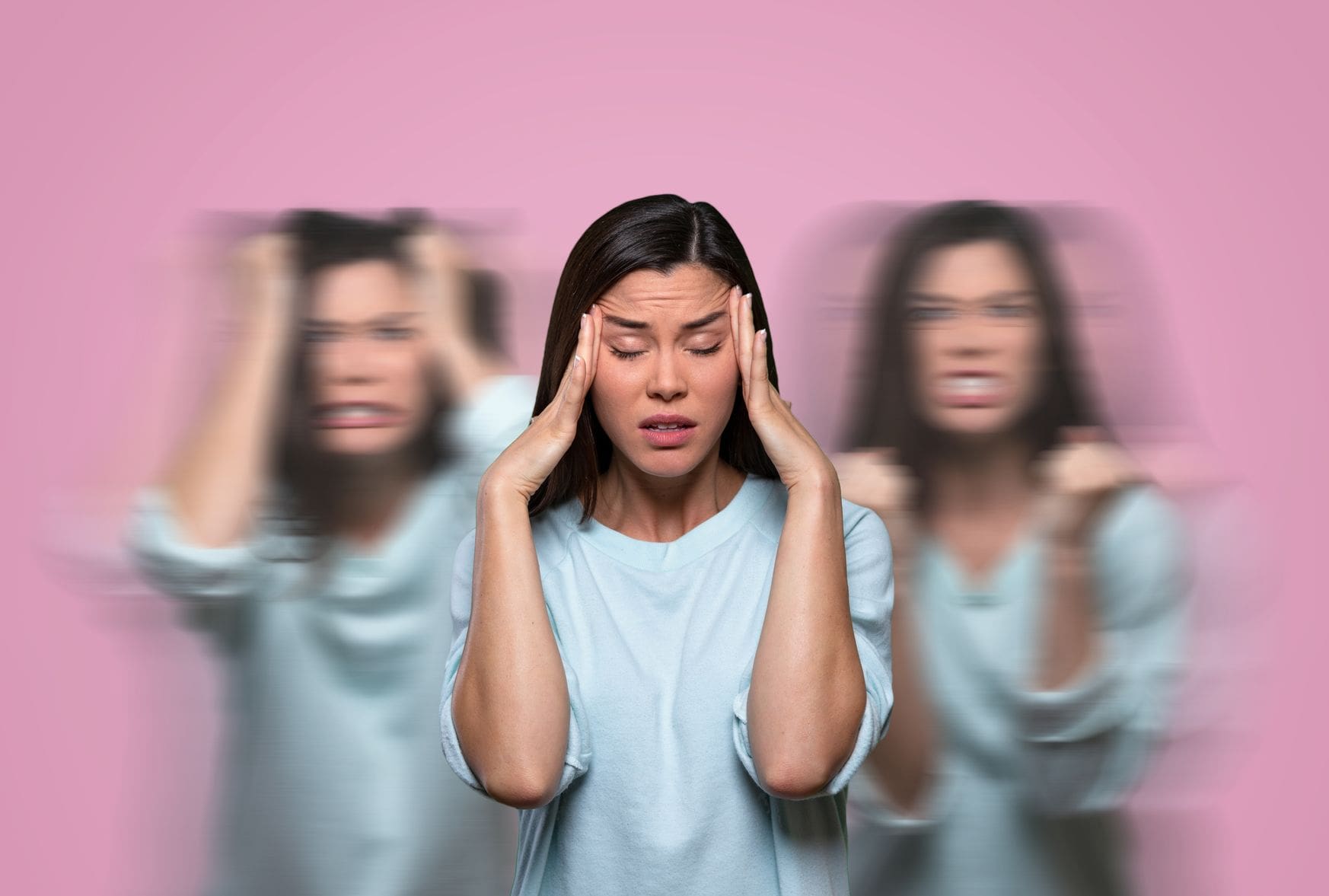
Occasional anxiety is often a part of everyday life, and can be caused by changing life circumstances such as job loss, an accident or the breakdown of a relationship. However, if you experience ongoing or severe anxiety that is out of proportion to the situation you are in, you may have an anxiety disorder.
Having anxiety can be distressing and affect every aspect of your life. Fortunately, there are treatments available that can help control anxiety symptoms and allow you to feel like yourself again.
Anxiety symptoms
Anxiety affects us in a number of ways. Mentally, it can make you feel worried, nervous, tense or restless. You may be worried about the future or have ongoing thoughts and worries about events in the past. Some people with anxiety experience panic attacks.
Anxiety can interfere with our attention and concentration, and cause a bias in the way we think — making us see the world as a scarier place than it really is. It also affects behaviour – people with anxiety tend to avoid situations they think will make them anxious.
Anxiety can also cause a range of physical symptoms and signs, such as:
- rapid pulse or palpitations (an awareness of their heart pounding);
- dizzy turns;
- shaking;
- digestive upsets (such as lack of appetite, nausea or diarrhoea);
- muscle tension and soreness (often affecting the shoulders and jaw);
- teeth grinding;
- sweating;
- a tendency to breathe too quickly — hyperventilation; and
- insomnia (difficulty sleeping).
Anxiety disorders
Anxiety is abnormal when the amount of anxiety experienced is inappropriate for the situation. There are several different types of anxiety disorders and related conditions, all of which have different specific symptoms.
Panic disorder is when there are panic attacks (episodes of intense anxiety and fear), often with no obvious cause. Some people with panic disorder also develop agoraphobia, where the affected person avoids public places and crowds for fear of having a panic attack when out and about.
Phobias are intense, irrational fears. Specific phobias commonly involve a fear of animals (e.g. spiders, dogs); natural environments (e.g. heights, storms); medical procedures (e.g. needles, operations); or situations such as plane travel or being in enclosed spaces. Exposure to the phobia causes extreme anxiety and avoidance if at all possible.
Social anxiety disorder is like an extreme form of shyness, with an intense fear of negative judgement by others. It may be limited to intense anxiety about public speaking, or it may involve all situations where people feel ‘on display’ such as at parties or other social gatherings.
Generalised anxiety disorder is where there is an overwhelming and almost continuous feeling of anxiety. Generalised anxiety disorder will frequently cause physical anxiety symptoms. It is often associated with depression or other anxiety disorders.
Obsessive compulsive disorder (OCD) is a condition where the person has obsessions (recurring ideas, thoughts and impulses) and compulsions (repetitive behaviours in response to the obsessions, such as repeated hand washing, checking that taps are turned off or doors are locked). The intrusive thoughts are often of an unpleasant or even violent nature, and the person may feel very embarrassed by them and afraid they will somehow carry them out, but they never do. Most people with OCD are aware that their behaviour is excessive or unreasonable.
Post-traumatic stress disorder is common in war veterans, but can affect anyone who has been exposed to distressing events which are outside the normal range of human experience. A common trigger for PTSD is sexual assault. Often the traumatic event is re-lived over and over again in flashbacks and dreams.
What causes anxiety?
Anxiety is the most common mental health problem in Australia, affecting one in 4 people at some stage of their lives. Anxiety disorders can affect both children and adults, and are thought to be caused by several factors, often in combination.
Most people with anxiety disorders have an inherited tendency to develop anxiety, which may be triggered by stressful life events. Your personality type can also influence your chances of developing an anxiety disorder.
Sometimes anxiety is due to a physical illness (such as a thyroid disorder or heart disease) or another mental health problem. Anxiety is often related to depression, and many people have symptoms of both anxiety and depression at the same time.
Drinking alcohol and taking recreational drugs can also cause or worsen anxiety.
Tests and diagnosis
If you are experiencing anxiety, you should see your GP (general practitioner), who will ask about your symptoms and how long you have had them. Your GP will also want to examine you and may order some simple tests (such as blood tests) to rule out any physical conditions that may be causing your anxiety.
Treatment for your anxiety disorder can be started by your GP. They may also refer you to a psychologist (health professional trained in psychology) or a psychiatrist (doctor who specialises in mental health) for further assessment and treatment.
Treatment for anxiety
Treatment for anxiety will depend on things such as the type of anxiety disorder you have and your general health. Psychological (talking) treatments and medicines are the 2 main treatment options, which can be used in combination. Lifestyle measures are also an important part of treatment.
Psychological therapy is often preferred over medicines because it is generally more effective for treating anxiety in both the short and long term. In people with more severe symptoms, medicines may be prescribed in addition to psychological therapy.
If your anxiety is caused by another medical condition or mental illness, your doctor may give you a short course of anti-anxiety medicines or counselling as well as treatment for the underlying condition.
Self-care for anxiety
There are several lifestyle adjustments that can help in the treatment of anxiety.
- Getting regular physical activity is important as it has been shown to be effective in improving mood and can help reduce stress and symptoms of anxiety.
- Eating a healthy, balanced diet is also important. Try to limit the amount of processed foods you eat and make sure you eat plenty of fruit and vegetables, whole grains and fish.
- Avoid or cut down on caffeine, which can make anxiety symptoms worse.
- Nicotine can also worsen symptoms, so if you are a smoker, quit.
- Alcohol and recreational drugs can make anxiety worse. Talk to your doctor if you are drinking more than 2 standard drinks of alcohol on most days – they will be able to help you to get your drinking to a healthy level, which should improve both your anxiety and your physical health.
- Getting enough sleep plays a big role in treating anxiety. This may not be as easy as it sounds, though, so talk to your doctor if you are having difficulty sleeping.
- Make time for regular relaxation – this may simply be a relaxing activity that you enjoy such as listening to music.
Psychological therapy
The main psychological treatment that helps people with anxiety disorders is cognitive behavioural therapy (CBT). There are specific types of CBT used for different anxiety disorders, and therapy may be individual or in a group. Therapy is usually made up of about 10-14 weekly sessions.
In general, CBT involves learning to understand your anxiety disorder and developing strategies to manage your symptoms. Your psychologist will ask about your thinking patterns and encourage you to challenge negative thoughts. Over the course of the treatment, the aim is to gradually change your behaviour and return to activities that you have been avoiding due to your anxiety.
CBT requires considerable practice and can actually make your symptoms worse in the initial stages. Sometimes anxiety medicines are prescribed for when you first start CBT.
Access to CBT with a psychologist can be difficult for some people, including those living in rural and remote areas of Australia. However, there are some internet-based psychological treatments available for anxiety disorders – these programmes may be guided by a therapist or self-guided.
Anxiety medicines
Medicines are usually recommended for people with severe or persistent anxiety or if you have both anxiety and depression. Different types of medicines are used to treat different types of anxiety disorders.
Antidepressants
Certain antidepressant medicines can be used to treat anxiety disorders. The selective serotonin reuptake inhibitors (SSRIs) and the serotonin and noradrenaline reuptake inhibitors (SNRIs) are effective for most anxiety disorders.
Tricyclic antidepressants and monoamine oxidase inhibitors (MAOIs) are alternative antidepressant medicines that can be used for some anxiety disorders.
The best choice of antidepressant medicine for you will depend on your symptoms, other conditions you have, and any other medicines and complementary treatments you are taking.
Antidepressants are started with a gradually increasing dose, and usually take several weeks to work. It may be 6 months before you feel the full effects of these medicines.
Some people find their anxiety increases slightly after they start taking antidepressants. This usually lessens after a few days. Talk to your doctor if you are being affected in this way and it persists or worries you, or if you experience side effects.
Sometimes changing the way you take the medicine (such as timing of the dose) can help reduce side effects. Alternatively, the dose may need to be adjusted or your doctor may recommend changing to a different medicine.
When stopping antidepressants, it’s important that you don’t suddenly stop taking them. Your doctor can advise you on how to gradually reduce the dose.
Benzodiazepines
Benzodiazepines can help some types of anxiety disorders. This type of medicine is usually only prescribed for a short time – from a few days to a few weeks weeks to relieve symptoms during periods of severe anxiety.
Benzodiazepines can also be used short-term to reduce symptoms that have become worse when antidepressants have just been started.
Long-term use of benzodiazepines is not recommended, as they cause sedation (drowsiness) and do not treat the underlying cause of the anxiety. They can also become addictive, meaning that it can be extremely difficult to stop taking them.
Examples of benzodiazepine tablets used for the short-term treatment of anxiety symptoms include:
- alprazolam (e.g. Alprax, Kalma);
- bromazepam (e.g. Lexotan);
- clobazam (e.g. Frisium);
- diazepam (e.g. Antenex, Ranzepam, Valium, Valpam);
- lorazepam (e.g. Ativan); and
- oxazepam (e.g. Alepam, Murelax, Serepax).
If you experience any drowsiness or mental slowing while you are taking benzodiazepines, you should not drive or operate machinery, especially if you are just starting treatment.
Alcohol depresses the central nervous system just like benzodiazepines, and the effect is additive. This can lead to serious and life-threatening complications, so you must not drink alcohol when taking benzodiazepines.
You should never stop taking a benzodiazepine suddenly if you have been taking it for several weeks. If you do, you may get a withdrawal reaction with unpleasant symptoms such as headache, shakiness and dizziness. You may also feel as if your anxiety is returning. If you have been taking a benzodiazepine for a long time, your doctor will need to gradually taper off your dosage until you can stop taking it completely.
Support
Having an anxiety disorder can be an isolating experience, but anxiety is actually very common and there are many people who know exactly how you feel. Joining a support group can help you connect with other people with your particular anxiety disorder. Ask your doctor or psychologist, or search online for a group that will suit you.
