
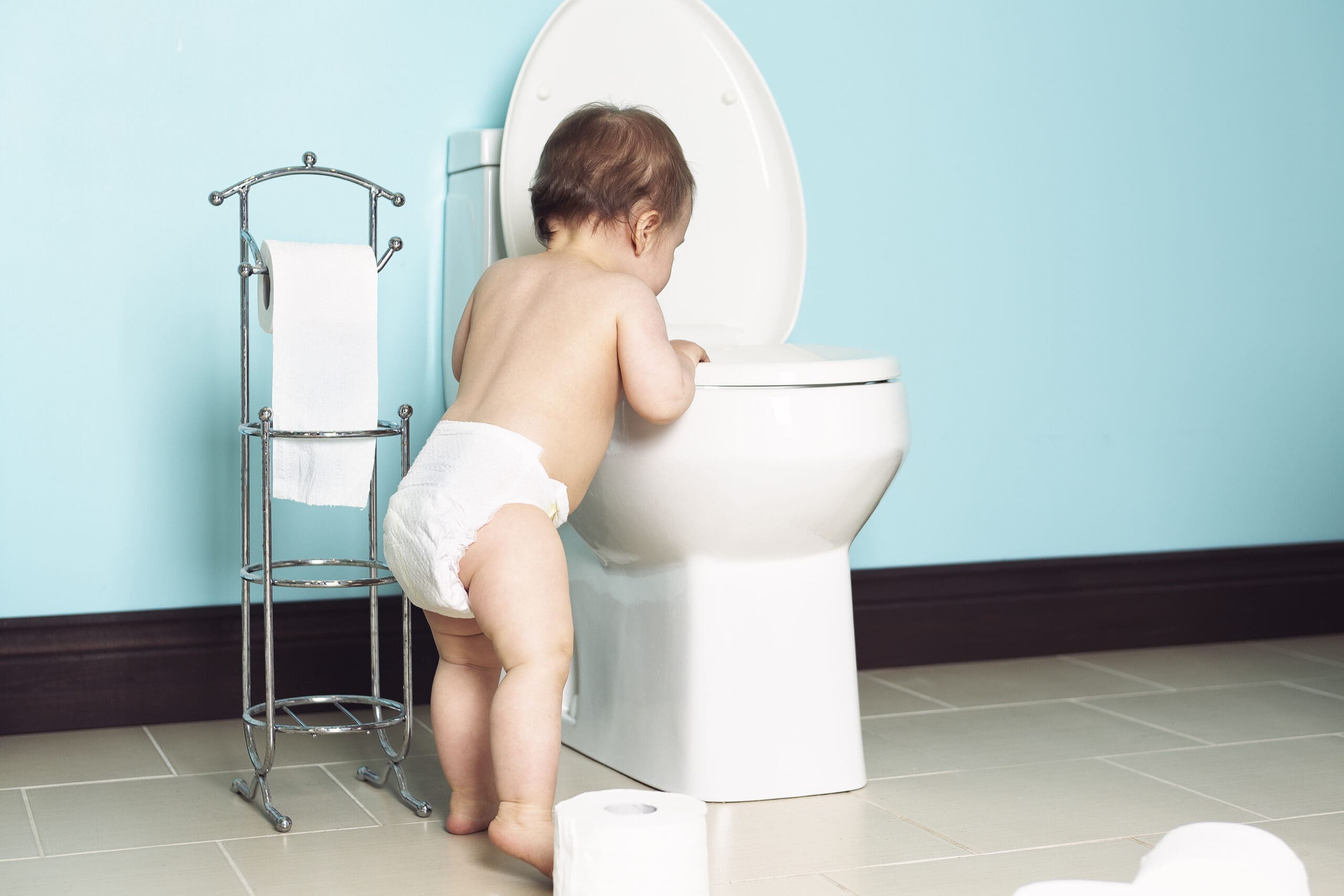
Constipation is a common childhood problem. When children are constipated, they have bowel motions that are hard, dry and difficult (or painful) to pass.
Most cases of constipation in children get better quickly and are not serious.
How do I know if my child is constipated?
What’s normal when it comes to bowel patterns? Well, it can vary from child to child. Some kids have several bowel movements a day, while others have one only every couple of days.
The fact that a child does not go to the toilet every day does not mean they are constipated. However, no matter how frequently bowel movements occur, they should not hurt.
If you child is constipated they will:
- have stools (poos) that are hard and dry;
- have difficulty doing a poo; and
- it may hurt to do a poo.
Sometimes stools are unusually large in children with constipation.
Children with ongoing constipation may sometimes have problems with faecal incontinence (soiling their underpants). This can happen when poo builds up in the rectum (lower end of the bowel) and gradually becomes dry and hard, making it difficult to pass. Soft or watery poo may then leak around the hard mass of stool and into the underwear.
Also, your child’s rectum may become stretched from chronic (ongoing) constipation, making it harder for them to recognise that they need to go to the toilet, and a poo may accidentally pass in their pants without them feeling it.
Additional symptoms they might have associated with the constipation can include:
- Abdominal pain/cramps (tummy ache) and bloating.
- Having a reduced appetite — getting full without eating much food.
- Irritability.
- Small tears around the anus (anal fissures) which cause pain and can sometimes bleed.
- More frequent urination because of pressure on the bladder.
What causes constipation in kids?
Functional constipation is the most common type of constipation in children. It is constipation that is not caused by an underlying illness or medication.
There are 3 main times during childhood that children tend to develop functional constipation:
- when starting solid foods;
- at the time of toilet training; and
- when starting school or preschool.
Functional constipation in children is usually behavioural, often caused by their decision to delay going to the toilet. Their reasons for this may include:
- having had painful bowel movements in the past;
- being too busy to find time to go to the bathroom;
- avoiding school or public toilets because they lack privacy, are smelly, lack toilet paper, or the child is bullied or teased in the toilets; or
- rebellion against toilet training.
You may have noticed signs that your child is ‘holding on’ and trying to suppress the urge to go to the toilet. They may cross their legs, squat, grunt, clench their buttocks, make faces or start twisting, rocking or fidgeting. They may also be irritable.
Can diet cause constipation in children?
A diet that is low in fibre and fluids can cause or worsen constipation. Dietary fibre (from foods such as vegetables, fruit, wholegrain cereals and beans) helps keep stool soft so that it is easy to pass. Drinking plenty of water and other fluids helps fibre to keep stools soft.
Occasionally, drinking a lot of milk or eating lots of dairy products (such as cheese and yoghurt) can lead to constipation, or make it worse. Milk and dairy products can fill you up but don’t contain any fibre.
Cow’s milk allergy can also cause constipation.
Other causes of constipation
Constipation can occur after having gastroenteritis or another infectious condition where your child was eating and drinking less than usual.
Certain medicines (such as certain antacids, pain relievers and antidepressants) can also cause or aggravate constipation in children. Talk to your doctor if you think medicines could be causing constipation.
In a very small percentage of cases, constipation may indicate some other disorder such as:
- Hirschsprung disease (a serious childhood condition caused by the absence of nerve cells in the wall of the intestine);
- abnormalities of the anus or rectum; or
- spinal cord problems.
When to see your doctor
If your child has been constipated for 2 weeks or more (had difficulty passing hard, dry stools) you should see your doctor. See your doctor earlier if your child is distressed or you are concerned in any way.
Your doctor will ask about your child’s symptoms, as well as their diet and past health. They will also perform a physical examination.
In most cases, tests and investigations are not needed to diagnose constipation in children.
Sometimes blood tests or an X-ray of the abdomen may be recommended to work out the cause of constipation. If further testing is needed, your doctor will most likely refer you to a paediatrician – a specialist in children’s health.
Treating constipation in children
If your child has only mild constipation, encouraging them to go to the toilet regularly, increasing their dietary fibre and making sure they drink plenty of fluids may be all that is needed.
Some children with functional constipation will need treatment with laxatives. In general, treatment involves:
- using laxatives to soften and help eliminate the hard stool (poo) from your child’s bowel;
- keeping stools soft so that they are easier to pass; and
- changing your child’s behaviour to avoid ongoing constipation.
Treatment for other causes of constipation will involve treatment of the underlying condition.
Behaviour change – regular toilet times
It’s important to try to get your child into the habit of going to the toilet regularly.
Encourage your child to sit on the toilet a couple of times a day, preferably about 20-30 minutes after breakfast and dinner (this can take advantage of the natural intestinal contractions that occur after eating). They should sit on the toilet even if they don’t feel like they need to go.
Your child should sit with their feet on a stool so that their knees are positioned higher than their hips. They should lean slightly forward with their back straight – they may want to lean their elbows on their thighs. This position helps children to effectively use the muscles needed to do a poo. Sitting for 3 to 5 minutes without any distractions (books, screens, etc) is recommended.
Reward your child for sitting on the toilet, even if they don’t do a poo. You may want to use an age-appropriate reward chart for encouragement. Don’t punish them for not having a bowel motion.
Children should be encouraged to always use the toilet as soon as they have the urge to go.
Laxatives
Your doctor may recommend a laxative for your child to help them go to the toilet and clear out their bowel.
Once the bowel has been emptied, your child may need laxatives until regular bowel habits have been re-established. This can take several months.
Laxatives taken by mouth are usually recommended as the first option, and are available as:
- powder that you mix into drinks;
- granules; or
- liquid.
Suppositories and enemas are not commonly used in children.
Types of oral laxatives
Osmotic laxatives (which work by keeping water in the bowel, making the faeces (poo) softer and able to move more quickly through the bowel) are often the first option for treating constipation in children. Examples include macrogol 3350 (Movicol, OsmoLax), lactulose (Actilax, Duphalac) or sorbitol. Lubricants or stool softeners such as liquid paraffin (e.g. Parachoc, Agarol) may also be used.
If your child still has problems with constipation after trying the above laxatives, your doctor may recommend a stimulant laxative.
Children usually need to be gradually weaned off treatment with laxatives.
Always check with your doctor before starting children on laxatives, as it’s important to use the most appropriate medicine for your child and to use it for the right amount of time.
Diet
A diet that has adequate fibre can help treat and prevent constipation. Try to introduce more fibre into your child’s diet by gradually increasing the quantity of fruit, vegetables and wholegrain breads and cereals that they eat. Don’t increase the amount of fibre in too-large quantities, as this may result in gas and bloating.
Give your child plenty of clear fluids, such as water. You may also wish to try giving your child prune or pear juice. Prune and pear juices contain complex sugars that cannot be absorbed by the intestine and which help to retain water in the bowel, keeping the stool soft.
Keeping active can also help treat and prevent constipation.
Talk to your doctor if you have any concerns that your child might be constipated.
