
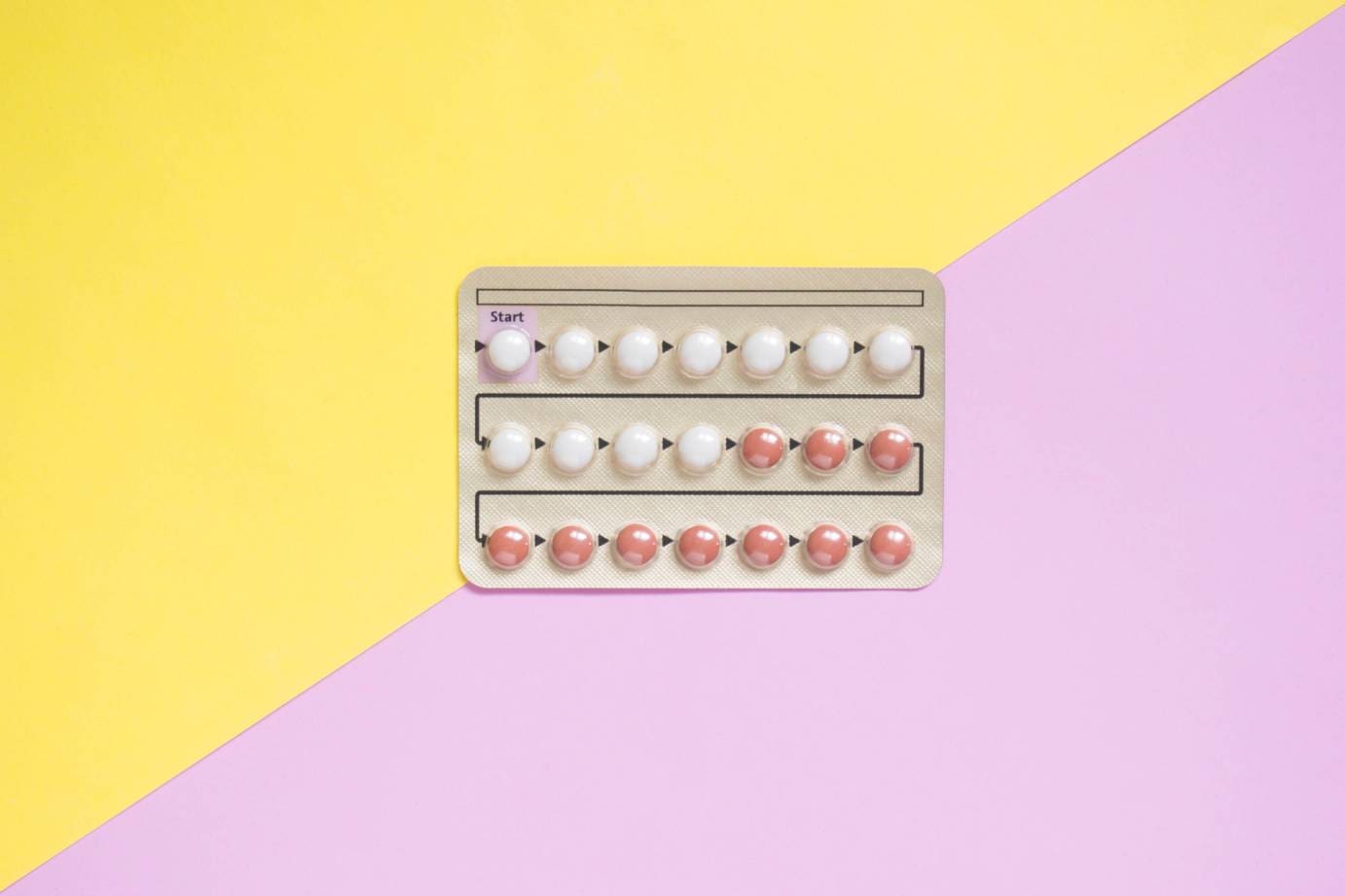
The combined oral contraceptive pill (often referred to simply as ‘the pill’) is one of the most popular methods of contraception used in Australia. When used properly, taking the pill is a very effective and safe way to prevent pregnancy.
The combined pill contains 2 synthetic hormones – an oestrogen and a progestogen – that imitate the natural female sex hormones. To use it, you take one pill by mouth around the same time each day. The pill is only available on prescription in Australia, so you’ll need to visit your doctor or local Family Planning Clinic if you think it may be a suitable form of contraception for you.
How does the pill work?
The pill works mainly by preventing ovulation (the release of an egg from one of the ovaries, which usually happens about once a month).
The pill also thickens cervical mucus (mucus made in the cervix, the lower part of the uterus). This helps to form a barrier to sperm, so that they can’t enter the uterus and fallopian tubes (where eggs are usually fertilised).
Effectiveness at preventing pregnancy
The effectiveness of a contraceptive method can be measured for perfect use and typical use.
- Perfect use is when instructions are followed precisely. The failure rate for perfect use of the combined pill is 0.3 per cent. So, when used perfectly, less than one woman in every 100 will become pregnant in a year.
- Typical use is what tends to happen in reality. Typical use failures include failures due to incorrect use. The failure rate for the combined pill is about 9 per cent in the first year of typical use.
Advantages
The combined pill is widely used because it has many advantages, which include the following.
- It is extremely effective and reliable when taken as directed.
- Often, periods become shorter, lighter and less painful.
- It can be used to manipulate the menstrual cycle (e.g. the pill can be used to skip periods for convenience or for certain events, such as holidays).
- Fertility is not permanently affected, and usually returns soon after stopping the pill.
- It can be used to improve acne and reduce the symptoms of premenstrual syndrome and polycystic ovary syndrome.
- Women taking the pill have a reduced risk of ovarian cancer, endometrial cancer (cancer of the lining of the uterus) and bowel cancer.
Disadvantages
There are some disadvantages associated with taking the pill.
- It is only available on prescription.
- Some formulations can be expensive.
- The pill does not protect against sexually transmitted infections (STIs).
- For the pill to be effective, you need to remember to take it daily.
- It is associated with some rare but serious side effects, including blood clots.
- It cannot be used by some women, including those who have had breast cancer, stroke, heart attack, deep vein thrombosis (a blood clot in the deep veins of the body), certain types of migraine headaches, heart disease, liver disease and smokers aged 35 years and older.
- The risks of the pill may outweigh the benefits in some women, including those with high blood pressure, diabetes, obesity, high cholesterol, unexplained vaginal bleeding, and those taking certain medicines (e.g. anti-epileptics or St John’s wort).
- The pill should generally not be used during breast feeding, especially the first 6 weeks.
What are the different types of combined pill?
Combined oral contraceptives are either:
- monophasic, where each active pill has the same dose of progestogen and oestrogen (examples of brand names include Brenda, Brevinor, Diane-35, Juliet-35, Lenest 30, Levlen, Loette, Marvelon, Microgynon, Microlevlen, Minulet, Monofeme, Nordette, Norimin, Norinyl-1, Petibelle, Valette, Yasmin, Yaz, Zoely); or
- multiphasic, where active pills have different doses of progestogen and/or oestrogen (examples of brand names include Logynon, Qlaira, Trifeme, Triphasil, Triquilar).
Different formulations of the pill also contain different types and doses of synthetic hormones.
- The type of oestrogen in most brands of pill is ethinyloestradiol. Other oestrogens used include mestranol, oestradiol and oestradiol valerate.
- The progestogens used in Australian pill formulations include levonorgestrel and norethisterone, as well as newer progestogens, such as cyproterone, desogestrel, drospirenone, dienogest, gestodene and nomegestrol acetate. A formulation with a newer progestogen may be considered in women with acne or heavy periods.
Your doctor can advise you as to the most appropriate type of pill for you.
How to take the pill
Most types of combined pill come in packets containing 28 pills: 21 active (hormone) pills and 7 inactive (sugar) pills that don’t contain any hormones.
Some brands of pill contain only (or mostly) active pills. These are called extended cycle oral contraceptives. Examples of brands available in Australia include Seasonique and Yaz Flex.
Starting the pill
You usually start taking the pill on the first day of your period, carefully following the instructions that come with the packaging. Some women may start the pill straight away (as long as they are definitely not pregnant). Your doctor will advise you what to do.
When starting the pill for the first time, you need to use an additional form of contraception (such as a condom) for 7 days. That’s because the pill cannot be relied on to effectively prevent pregnancy during the first week of use, so you need a backup contraceptive.
You should take one pill by mouth daily, at about the same time every day until you have finished the packet. The day after you finish one packet, you should start the next packet of pills.
Taking the pill continuously to avoid having periods
Most women have vaginal bleeding (like a period) when taking the inactive (sugar) pills. To avoid having this monthly bleed you can skip the sugar pills and start the next packet of hormone pills without taking a break.
You can continue taking just the hormone pills for 3 to 12 months when using a monophasic type of pill, but it’s best to first seek advice from your doctor. Alternatively, your doctor may prescribe an extended cycle pill, where you take active pills continuously for 3 to 4 months before having break.
Avoiding having periods is especially important for women who have headaches during the hormone-free period, suffer from premenstrual syndrome, or have heavy or painful periods.
What to do if you miss a pill
If you miss a pill, you should check the instructions on the packet for what to do. It’s also a good idea to check with your healthcare provider for advice on what to do if you miss a pill.
The following general information applies to most, but not all, types of combined pill.
Less than 24 hours late
If you are less than 24 hours late taking a pill, take it as soon as possible and take the next pill at the usual time. You will still be protected against pregnancy.
More than 24 hours late
If you are more than 24 hours late taking a pill, take the missed pill as soon as possible and take the next pill at the usual time (even if that means taking 2 pills in one day). Keep taking your pill daily after this. You will also need to use an additional form of contraception (such as condoms) for the next 7 days to ensure you are protected against pregnancy.
If there are fewer than 7 hormone pills left in your packet, follow the instructions above but in addition, once you have finished the remaining hormone tablets in the packet, you should skip the sugar pills and begin taking the hormone pills in the next packet.
If any of the pills you took in the 7 days before the missed pill were sugar pills, talk to your doctor, family planning clinic or pharmacist about whether you may need emergency contraception. Also seek advice if you have missed more than one active pill in a row.
If you have vomiting or diarrhoea
If you have vomiting or diarrhoea, you may not absorb the pill. You should use an alternative method of contraception, such as a diaphragm or condom, for the next 7 days – follow the information on missed pills. Your doctor will be able to advise you.
Side effects
The combined pill can cause the following side effects:
- breast tenderness;
- irregular vaginal bleeding or spotting; and
- nausea.
These side effects usually resolve after about 3 months of taking the pill. Nausea may be improved by taking the pill at night.
Less common side effects include:
- fluid retention and bloating;
- headaches;
- reduced libido;
- irritability; and
- irregular skin pigmentation on the face (particularly if exposed to the sun).
Talk to your doctor if you are experiencing side effects – sometimes they can be improved by changing the type of pill you take for one with a different combination of hormones.
In rare instances, the combined pill can cause serious side effects such as:
- blood clots;
- stroke;
- heart attack;
- high blood pressure; and
- liver and gallbladder disease.
The risk of blood clots is higher when taking formulations of the pill that contain newer types of progestogen compared with those that contain levonorgestrel or norethisterone. If blood clots occur, they usually happen in the first year of using the pill, and are more likely to occur in women who have a genetic predisposition to blood clots, or additional risk factors for blood clots.
There is no clear evidence that taking the pill is associated with putting on weight.
The pill and other medicines
Some medicines, including complementary and herbal medicines, can interfere with the absorption of the pill. These include St John’s wort, certain antibiotics and some medicines used to prevent seizures. Check with your doctor about which medicines should not be taken when you are taking the pill.
Should I take the pill?
Your doctor will talk with you about the risks and benefits of the combined pill to help you to decide if it is a good option for you. Bear in mind that for some women the pill will not be suitable. This may be because of a medical condition (or a family history of a certain conditions) or medicines you are taking. The pill should be stopped 4-6 weeks before any major surgery associated with an increased risk of blood clotting. In these cases, your doctor will offer an alternative form of contraception.
If your doctor prescribes the pill, they will want to check your blood pressure and ask about any side effects you may be experiencing when you renew your prescription – usually after 4 months and then at least once a year after that.
