
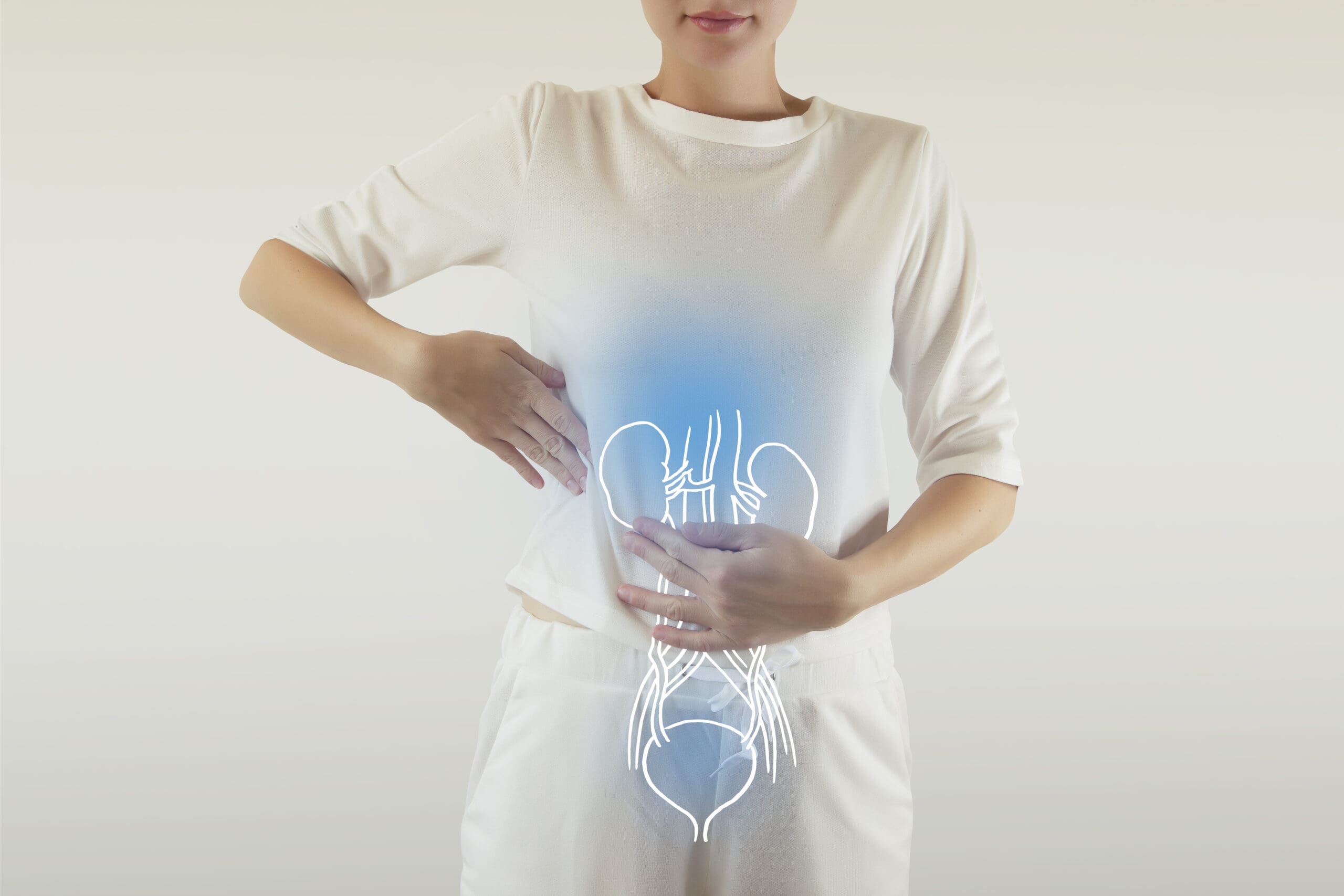
Urinary tract infection (UTI) is a very common infection that affects part of the urinary system. The urinary system consists of the kidneys, bladder, ureters (tubes that connect the kidneys to the bladder) and the urethra (tube connecting the bladder to the outside world). UTIs are usually caused by bacteria.
A UTI can affect any part of the urinary system, but most commonly occurs in the bladder and/or urethra. UTIs can be painful and annoying, but usually clear up with a course of antibiotics.
What are the types of UTIs?
The types of UTIs include:
- Cystitis: Affects the bladder.
- Urethritis: Affects the urethra.
- Pyelonephritis: Affects the kidneys.
- Ureteritis: Affects the ureters.
What are the symptoms of a UTI?
Common symptoms of a UTI include:
- A burning sensation when passing urine.
- The need to urinate urgently.
- Passing urine more frequently than usual.
- Feeling the urge to urinate, but being unable to or only passing a few drops.
- Dull pain in the pelvis.
- Unpleasant smelling urine.
- Urine that is cloudy, bloody, pink or dark.
- Back pain.
- Generally feeling unwell.
- Fever.
Symptoms that may indicate that the infection involves the kidney(s) (pyelonephritis) include:
- Fever and rigors (shivering).
- Nausea or vomiting.
- Diarrhoea.
- Back pain.
What causes UTIs?
The urinary system’s job is to excrete wastes from the body in the form of urine. The kidneys act as filtration units to remove some of the body’s waste products from the blood, such as urea and ammonia. These are then converted to urine and passed through the ureters, into the bladder and then through the urethra to leave the body.
A UTI occurs when part of the urinary tract becomes infected, usually with bacteria that live in the digestive system. The bacteria often enter the urinary tract through the urethra, for example from the anus. This can happen if bacteria in faeces is transmitted to the urethra by toilet paper, such as when a woman wipes from back to front rather than from front to back.
Risk factors
UTIs are more common in women than men. This is because in women, the urethra is closer to the anus than it is in men, and is also shorter. This means the chances of bacteria entering the urinary system are greater in women.
Women have a 1-in-3 chance of developing a UTI in their lifetime. The risk of developing a UTI increases with age for both men and women.
Women are more likely to develop a UTI if they:
- Are sexually active: This is because having sex can irritate the urethra. When this happens it allows bacteria to travel more easily though the urethra and into the bladder.
- Use a diaphragm as contraception: The diaphragm can put pressure on the bladder and stop it from emptying properly.
- Develop an irritation to spermicide used on condoms: Some women develop a vaginal irritation from spermicide, making the area more vulnerable to infection.
- Are pregnant: Hormonal changes during pregnancy make women more vulnerable to UTIs.
- Have gone through menopause: When levels of the hormone oestrogen decline, women may become more vulnerable to developing a UTI.
Overall, people are more likely to develop a UTI if they have:
- Kidney stones or another condition that blocks the urinary tract.
- A condition that stops the bladder from emptying fully (e.g. an enlarged prostate that presses on the bladder).
- A urinary catheter (a tube inserted into the urethra going into the bladder; often used after major surgery and by people who have difficulty urinating due to conditions that affect the nerves to the bladder).
- A medical condition involving the bladder or kidneys (e.g. some babies are born with problems that stop the urine travelling properly though the urinary system).
- A weakened immune system due to a medical condition (e.g. diabetes) or medical treatment (e.g. chemotherapy).
- A recent medical procedure on the urinary tract.
Babies and older people are also more prone to UTIs.
Men with an enlarged prostate may be more prone to UTIs, as this may affect the flow of urine.
How are UTIs diagnosed?
Your doctor will ask about your symptoms and perform a physical examination.
If the doctor suspects a UTI, they will usually ask for a urine sample, which can be tested for features that suggest a possible UTI, such as white blood cells, red blood cells and nitrites.
The urine sample may also be tested at a laboratory to determine what sort of bacteria are present and what antibiotic will work best.
Additional tests aren’t generally needed. However, additional tests may be recommended if the symptoms don’t get better with treatment or you have recurrent UTIs.
Additional tests may also be recommended if:
- A man gets a UTI: These are uncommon so it’s important to check if there is an underlying cause of the UTIs.
- There is blood in the urine.
- There is a greater risk of developing complications: For example, if the infection occurs in a pregnant woman or a person with a weakened immune system.
Further testing may involve repeat testing of urine samples or imaging tests of the urinary tract.
What are the complications of a UTI?
Lower UTIs, such as cystitis or urethritis, don’t often cause complications if they are treated properly. However, sometimes complications can occur, especially in people with weakened immune systems or upper UTIs. These can include:
- permanent kidney damage or kidney failure;
- inflamed prostate in men;
- narrowing of the urethra in men (usually from recurrent infections); and
- sepsis (blood poisoning): a serious infection that can develop when the UTI spreads from the kidneys to the blood.
How are UTIs treated?
UTIs are often treated with antibiotics. The doctor will usually prescribe a course of antibiotics that should get rid of the symptoms in a few days.
As with any course of antibiotics, it is important to complete the entire course, even if the symptoms have settled down or disappeared.
Sometimes, people with a kidney infection or those at risk of complications may need to be treated in a hospital.
Self-help for UTIs
UTIs can be painful and annoying, but a person can help to manage the infection by:
- Drinking plenty of water to help dilute the urine and flush out the bacteria
- Avoiding drinks that can irritate the bladder: For example, caffeine, alcohol and citrus juices.
Studies have found that drinking cranberry juice is not effective in treating UTIs, but it may have an effect in preventing recurrent UTIs. Cranberry juice should not be consumed by people using blood-thinning drugs such as warfarin.
How can I help prevent a UTI?
A person can minimise their risk of developing a UTI by:
- Drinking lots of water each day
- Urinating as soon as the need arises
- Wiping the bottom from front to back to prevent bacteria from around the anus entering the urethra
- Using adequate lubrication during sex
- Urinating after having sex: this can help to flush out any bacteria that may have entered the urethra during intercourse
- Avoiding feminine hygiene products such as sprays or douches
- Talking to the doctor about other forms of contraception if using a diaphragm
- Treating constipation or diarrhoea promptly: constipation can cause faeces in the rectum to press on the bladder and prevent it from emptying fully, while diarrhoea can make it easier for bacteria to enter the urinary tract.
