
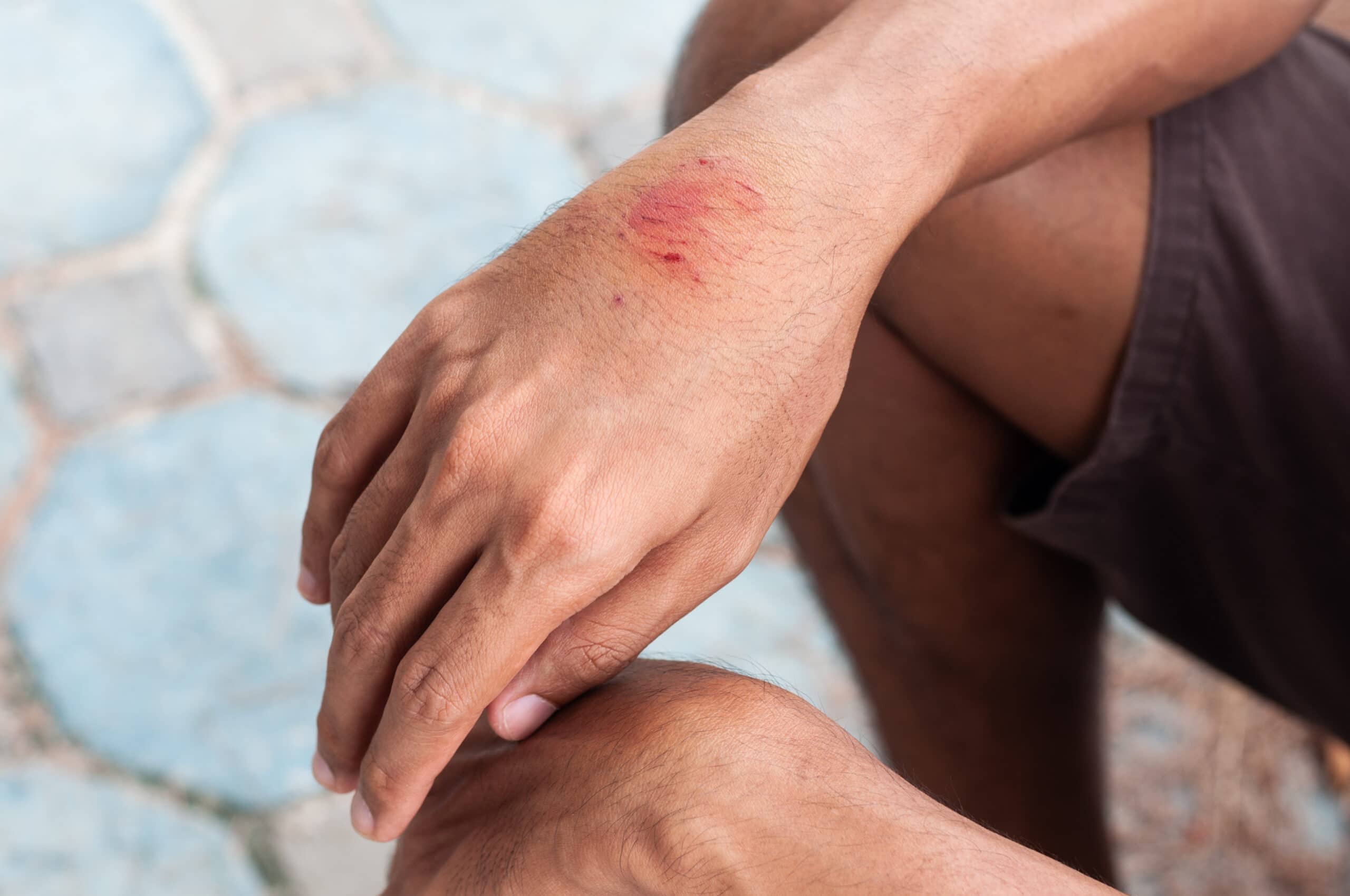
Rabies causes
Rabies is a viral disease that infects the central nervous system — the brain and the spinal cord — and can be fatal if it is not treated promptly. The disease is spread by bites from infected animals such as dogs, cats, bats, foxes, raccoons, skunks, wolves, monkeys and mongooses. The rabies virus is found in the saliva of infected animals and most rabies cases develop from bites or scratches from wild animals that break the skin.
Transmission can also occur when a rabid animal licks abraded or broken skin or the eyes, nose or mouth, although this is rare. There have also been rare cases where rabies acquired from bats may not have come from direct contact, but occurred after people visited caves where rabid bats lived, prompting the idea that rabies may be transmitted through airborne particles.
Australian bat lyssavirus
While rabies proper does not exist in Australia, another member of the Lyssavirus family occurs in Australian bats. Anyone bitten by bats in Australia should seek prompt medical attention, as Australian bat lyssavirus produces an illness similar to rabies and can be treated with rabies vaccine.
Rabies symptoms
Symptoms may begin between 9 and 90 days after a bite from an infected animal, but it usually takes at least a month before symptoms first appear. The first symptoms include a tingling, itching or cold feeling at the site of the bite. This may be followed by a low-grade fever and general feeling of illness. This is then generally followed by chills, difficulty swallowing, restlessness, abnormal behaviour (such as outbursts of anger or extreme excitability), drooling and severe muscle spasms. There may also be convulsions and paralysis.
Rabies is also called hydrophobia (meaning fear of water) because it causes painful muscle spasms in the throat that prevent swallowing.
Rabies treatment
If you are bitten by an animal while travelling, you should not take any chances and do not delay in seeking medical treatment. If you are bitten by, or have any exposure to, an animal that may have rabies, you must seek immediate medical attention.
As soon as possible after you have been bitten, the wound should be vigorously cleaned with soap and water and, if possible, give it a second washing with antiseptic. Treatment then depends upon whether you have been vaccinated previously.
Prompt treatment is essential — once the signs and symptoms of rabies appear, the disease has an extremely high fatality rate.
People not vaccinated
In people who have not been previously vaccinated, medical treatment after exposure will consist of a single dose of rabies immunoglobulin (where possible injected into the site of the wound) and rabies vaccine as quickly as possible after the bite, followed by additional rabies vaccine shots given over a period of up to 90 days.
Previously vaccinated people
Immunised people who are exposed to rabies do not need a dose of rabies immunoglobulin, but will still need 2 additional doses of rabies vaccine. The sooner you receive this treatment, the greater your chance of recovery. Your doctor may also give you a tetanus shot.
Rabies vaccination
Rabies vaccination is currently not required for entry into any country. However, if you are planning to travel to an area where rabies is common in both wild and domestic animals (such as Central and South America, India, south-east Asia and most of Africa) you should consider being immunised before you leave.
Vaccination is recommended for travellers who are planning extensive outdoor exposure in rural areas in countries where rabies is common. Vaccination is essential for anyone expecting to have close contact with animals in these countries. This involves 3 doses of vaccine given over 28 days. You should discuss this with your doctor when planning your trip. When travelling overseas, stay away from potentially rabid animals wherever possible.
