
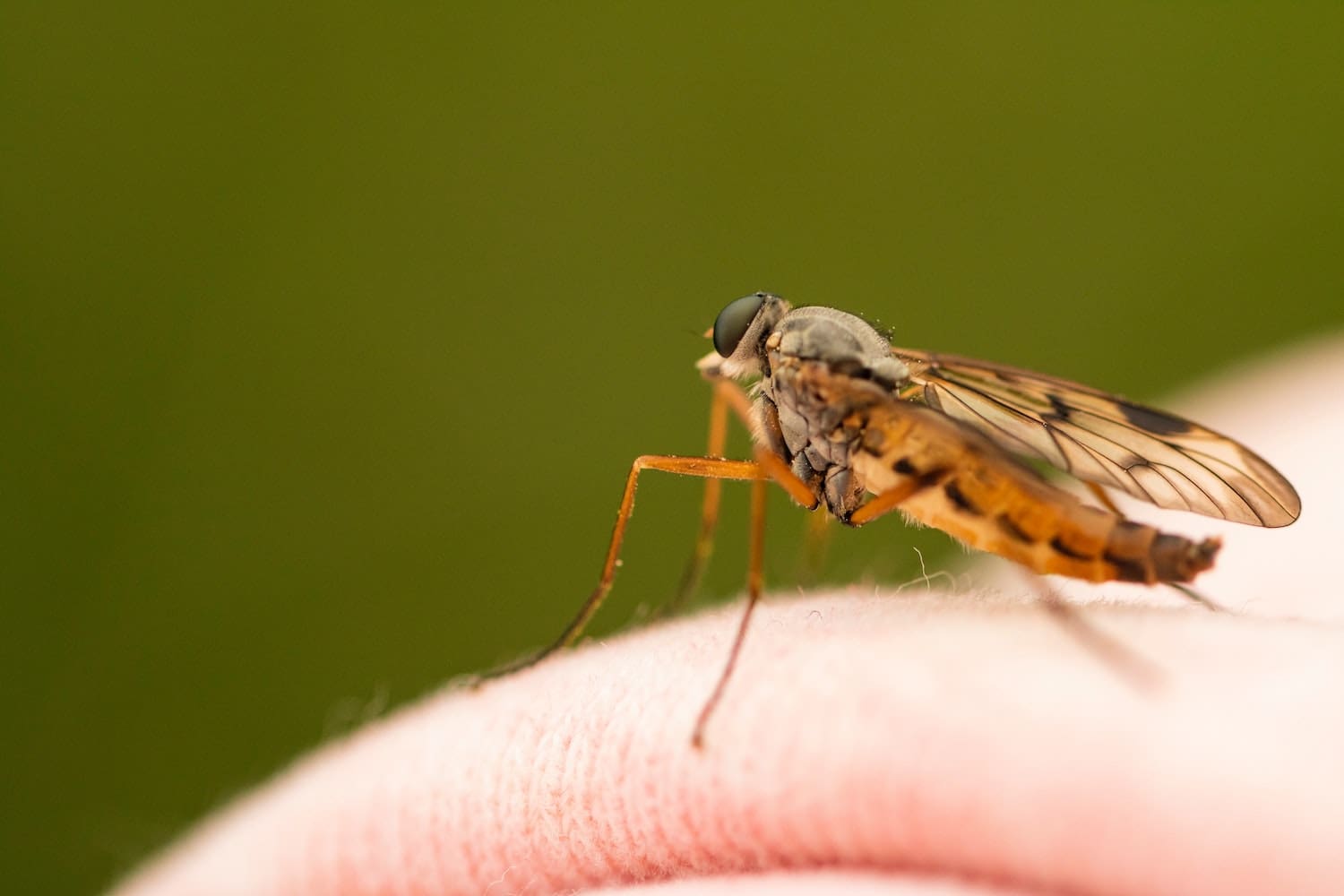
Japanese encephalitis is a viral disease that is spread by a particular type of mosquito. Encephalitis is a generalised inflammation of the brain with many causes, one of which is infection. The virus that causes Japanese encephalitis — a flavivirus — can affect both animals (pigs and birds) and humans. In humans, it can cause inflammation of your brain (encephalitis) and the membranes that cover it.
Is Japanese encephalitis contagious?
Being bitten by an infected mosquito is the only way of catching this virus. It cannot be passed from person to person. You cannot catch Japanese encephalitis from being around or eating the meat of an animal carrying the virus.
Where does Japanese encephalitis occur?
Japanese encephalitis is the leading cause of viral encephalitis in many countries in Asia. Most infections occur in China, Korea, Southeast Asia, and the Indian subcontinent. The mosquitoes that transmit this infection (Culex mosquitoes) generally breed in rural, agricultural areas, most commonly in flooded rice fields. There has been an increase in cases of Japanese encephalitis in Australia recently, with people living in or visiting the Torres Strait Islands and the Cape York Peninsula particularly at risk.
Related Posts
What are the symptoms of Japanese encephalitis?
Most people who are infected with the Japanese encephalitis virus have only mild symptoms, such as fever and headache. Symptoms usually appear 5–15 days after you are infected.
About one in every 100 people who are infected has a severe illness. These people can experience:
- high fever;
- headache;
- neck stiffness;
- seizures (fits);
- confusion;
- paralysis; and
- coma.
About 30 per cent of the people who have the severe form of the disease will die, and up to half of those who survive will have long-lasting damage to their brain and nervous system. If you have Japanese encephalitis while you are pregnant you may have an increased risk of miscarriage.
Am I at risk of catching Japanese encephalitis?
If you are going to a country where Japanese encephalitis is prevalent, your risk of being infected varies, depending on the region you are planning to visit, the length of your stay, and the season.
Travellers who visit urban areas have a low chance of infection, while people staying in rural areas for an extended period (one month or more) have the greatest risk. If you are visiting rural areas, particularly where there are flooded rice fields and plan to spend a lot of time outdoors (especially at dusk or after dark), you also have an increased risk of being infected, even if your stay is only brief. Travelling during a transmission season (time of year when infections most often occur) increases your risk of infection as well.
The chances of catching the Japanese encephalitis virus are the same for travellers of all ages, but older people may be at higher risk of having severe disease.
Treatment of Japanese encephalitis
Unfortunately, there is no specific treatment available that can cure Japanese encephalitis. People who experience the more severe form of the disease will need to be treated in hospital. That’s why prevention is so important.
Prevention with immunisation
Immunisation is an effective way of preventing Japanese encephalitis in people travelling to affected areas or if you live or work with pigs. Vaccination is also recommended for people who work with or are exposed to mosquitoes.
Immunisation for overseas travellers
Immunisation is not necessary for all people who plan to travel to Asia. You should be vaccinated if you plan to spend a month or more in an affected area during the transmission season, especially if you will be travelling to rural areas. Immunisation may also be necessary if you are spending a shorter amount of time in a rural area, but will be outdoors for a lot of the time.
Vaccination is also recommended for travellers intending to spend a month or more in Papua New Guinea, particularly if travelling during the wet season.
Immunisation for residents of Far North Queensland
Immunisation against Japanese encephalitis is recommended for all residents (aged over one year) of the outer Torres Strait Islands. Vaccination is also recommended for non-residents who intend living or working on the outer islands of the Torres Strait for a cumulative total of 30 days or more during the wet season (December to May).
Getting immunised
Several doses of vaccine need to be given over a month to be sufficiently protected against Japanese encephalitis. You may also require a booster injection every 3 years to keep yourself protected against the virus. Check with your doctor or travel health clinic whether you should be vaccinated before travelling, and remember that the vaccine is generally only available at travel clinics and some doctors’ surgeries.
If you do need to be immunised, you should have the last dose at least 10 days before travelling, to ensure adequate immunity before travel, as well as access to medical services in case you have a delayed reaction to the vaccine.
About 40 per cent of people have a mild reaction to the vaccine. Symptoms may include tenderness at the injection site, fever, headaches and/or muscle pains. Severe allergic reactions, which can occur within minutes or up to one week after vaccination, are rare.
How else can I protect myself against infection?
Even if you have been vaccinated, it’s still important to take precautions to prevent being bitten by mosquitoes while you are travelling. Remember to use mosquito repellent, wear protective clothing (loose-fitting, long-sleeved shirts and long pants) and try to stay indoors during twilight and after dark. If your accommodation does not have insect screens or air conditioning, use a mosquito net as well as mosquito coils and aerosol insecticides as necessary.
Depending on where you are travelling, protecting yourself against mosquito bites can also help prevent you being infected with other diseases that are spread by mosquitoes, such as malaria and dengue fever.
