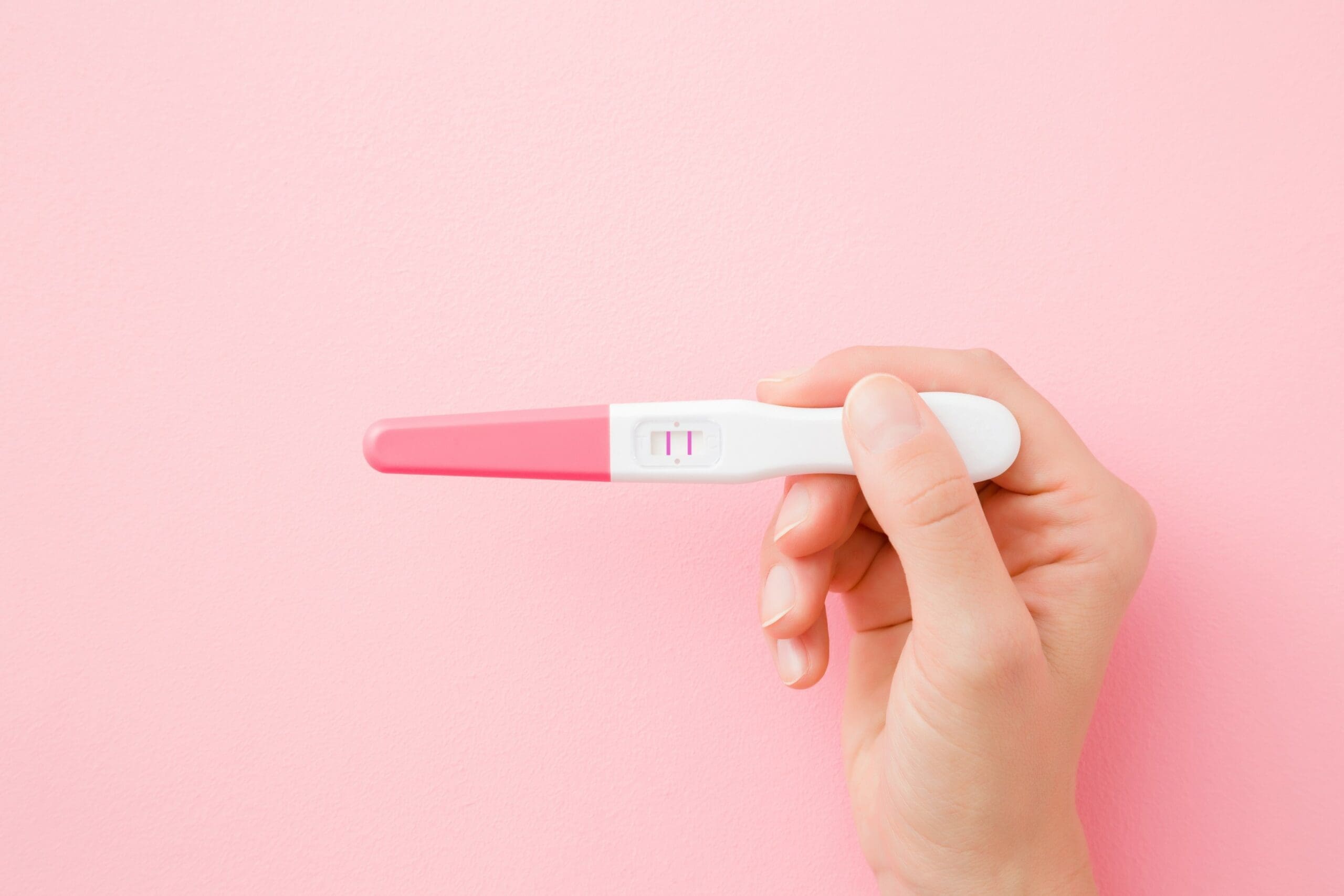
Pregnancy is a time of great change. If you are pregnant, or thinking about having a baby, it is important to consider the types of drugs you might be taking and how they might affect you and your pregnancy.
Drugs that may be harmful during pregnancy include:
- legal drugs such as alcohol, tobacco and caffeine
- complementary medicines such as herbal preparations and nutritional supplements
- ‘over-the-counter’ medicines such as antacids, cold and ‘flu medicines, diet pills, laxatives and painkillers
- prescribed medicines such as painkillers, tranquillisers and sleeping pills
- illegal drugs such as cannabis, amphetamines, cocaine, ecstasy, GHB, hallucinogens and heroin
- drugs used to treat opiate or alcohol dependence such as methadone, buprenorphine and naltrexone
- other substances such as glues and aerosols (inhalants or volatile substances).
Why be concerned about drug use during pregnancy?
Alcohol and other drugs can be harmful to a developing foetus throughout the pregnancy, as they will reach the baby through the placenta (the afterbirth).
However, there can be great variation in babies’ responses to drugs, depending on:
- The type of drug taken. The baby’s response to a sedative drug will be different from its response to a stimulant such as caffeine or amphetamines.
- How often the drug is used, how it is used and the amount taken.
- Whether one or more drugs are used—combining drugs can increase or alter the effects of the drugs in unpredictable ways.
- Each individual baby’s response.
Two of the most common complications of drug use during pregnancy are premature labour and small birth size. Babies born prematurely or with a low birth weight have a higher risk of illness and may experience a number of problems.
Sudden Infant Death Syndrome (SIDS) is the sudden death of a baby for no known reason. The risk of SIDS is greater if you smoke, use alcohol and/or other drugs during pregnancy or after your baby is born.
Planning your pregnancy
The first thing to do if you are planning to become pregnant is to seek advice from your doctor or other healthcare professional. They can assist you with information about the available health services and your choice in pregnancy care.
However, there are a few simple steps you can take to improve your health before you become pregnant. These will increase the chances of a healthy conception and baby:
- Eat a well-balanced diet and drink plenty of water.
- If you are a smoker, ask your doctor or other health professional for information about quitting.
- Avoid caffeine, alcohol and other drugs.
- Seek counselling if you need help to reduce or stop using alcohol or other drugs.
- Unless specifically recommended by your doctor or health practitioner, avoid taking any medications including those purchased over-the-counter.
- If you are taking complementary medicines or supplements, make sure you tell your prescriber that you are planning to become pregnant, read the label for safety messages, and discuss these medicines and supplements with your doctor or health practitioner.
- Get plenty of rest and exercise.
- Avoid stress.
Managing your pregnancy and drug use
If you haven’t already done so, you should consult your doctor or healthcare professional as soon as you find out you are—or suspect you are— pregnant. Cutting down or stopping your alcohol and other drug use at any stage of your pregnancy, even late pregnancy, will benefit both your baby and your health.
It is important to tell your pregnancy care provider if you are drinking alcohol or taking any other drugs, or if you have any concerns about your use. If you are using alcohol or other drugs, your baby will need to be carefully monitored during your pregnancy.
Reducing the risk of complications of drug use in pregnancy
- To reduce the risk of complications to yourself and your baby:
- Speak to your doctor or healthcare professional to discuss your use of alcohol and other drugs.
- Get regular pregnancy care as soon as you know you are pregnant.
- Consult with your doctor or healthcare professional before you attempt to stop or reduce your alcohol and other drug use.
- Contact your doctor or healthcare professional if you experience withdrawal symptoms.
Contact details
Women’s Alcohol and Drug Service
9:00 am–5.00 pm Monday to Friday
The Royal Women’s Hospital
Cnr Grattan St & Flemington Rd
Parkville Victoria 3052
Tel.: 03 8345 3931
wads@thewomens.org.au
DrugInfo
Tel.: 1300 85 85 84
Contact DrugInfo
DirectLine (Victoria only)
Free call: 1800 888 236
24 hour counselling and referral service
Maternal and Child Health (Victoria only)
Tel.:132 229
24 hour help line
Further information about drugs and pregnancy is available in Alcohol, other drugs and pregnancy, a booklet produced by the Australian Drug Foundation. Contact DrugInfo for a single free copy, or visit the ADF Bookshop to buy multiple copies.
For more information, please click on the Alcohol and Drug Foundation (formerly Australian Drug Foundation’s) link below: