
Ovulation Calculator
Ovulation Calculator
When did your last period start?
E.g. 18/01/2020
Usually, how long is your cycle?
Cycles typically vary from 23 to 35 days
likelihood of ovulating today
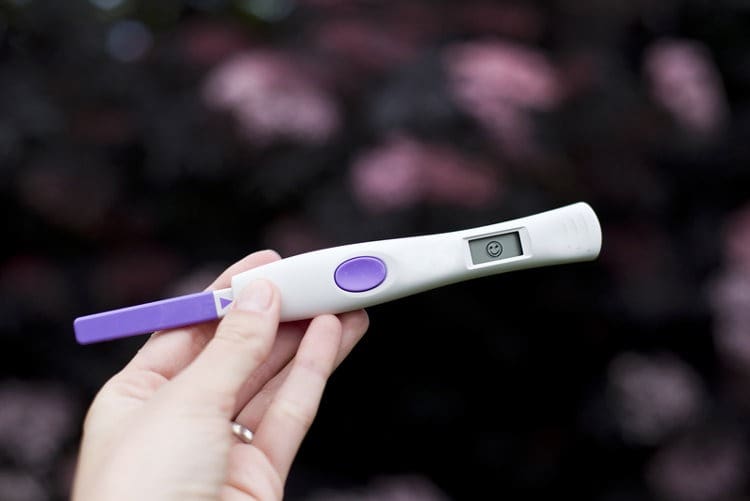
Due to your cycle length, unfortunately we can't estimate an ovulation probability. We recommend that you use a Digital Ovulation Test to accurately detect your most fertile days.
*
Start of your last period
20%
Likelihood of ovulating on this date
In partnership with Clearblue®.
Results are based on the information you have provided and data from the publication below: Sarah Johnson, Lorrae Marriott & Michael Zinaman (2018): “Can apps and calendar methods predict ovulation with accuracy?”, Current Medical Research and Opinion, DOI:10.1080/03007995.2018.1475348
Results are based on the information you have provided and data from the publication below: Sarah Johnson, Lorrae Marriott & Michael Zinaman (2018): “Can apps and calendar methods predict ovulation with accuracy?”, Current Medical Research and Opinion, DOI:10.1080/03007995.2018.1475348
Increase your chances of becoming pregnant by using this ovulation calculator to map out the best times to try for a baby. Follow the steps to see your ovulation calendar showing when you are most fertile.
