
Coeliac disease – a condition that affects the small bowel – can be difficult to diagnose because the symptoms are so variable, and some people do not experience symptoms at all. There are several tests available in Australia, including blood tests, gene tests and biopsy of the small bowel, that can help to diagnose or rule out coeliac disease. Diagnosis is important because untreated coeliac disease can cause serious complications.
What causes coeliac disease?
Coeliac disease is caused by an abnormal immune response to a dietary protein known as gluten, which results in inflammation and damage to the small intestine. (Gluten is found in wheat, rye and barley, and most types of oats.) Sometimes the damage is so severe that the intestine is unable to absorb essential nutrients, leading to malnutrition.
The abnormal immune response to gluten is inherited – if you have a family member with coeliac disease, you have a 10-20 per cent risk of also having the condition.
Who should be tested for coeliac disease?
Your doctor may recommended testing for coeliac disease if:
- you are experiencing symptoms of coeliac disease;
- a close family member has been diagnosed with coeliac disease; or
- you have certain autoimmune or genetic conditions that are associated with an increased risk of developing coeliac disease.
If you think you should be tested, talk to your doctor. Your doctor will ask about your symptoms, family history and recent diet. Your doctor can then recommend tests to help diagnose or rule out coeliac disease.
What tests are used to diagnose coeliac disease?
Your doctor may recommend blood antibody tests or gene tests to start with. If the tests indicate possible coeliac disease, your doctor may recommend that you have a small bowel biopsy to confirm the diagnosis.
It’s important to note that while coeliac disease is treated with a gluten-free diet, you should not start this special diet before being tested for the condition, because this can alter your test results and make the diagnosis more difficult. If you have already started excluding gluten from your diet, you may need to undergo a gluten challenge, which involves eating a certain amount of gluten-containing foods daily for several weeks before testing.
Blood tests – coeliac antibody testing
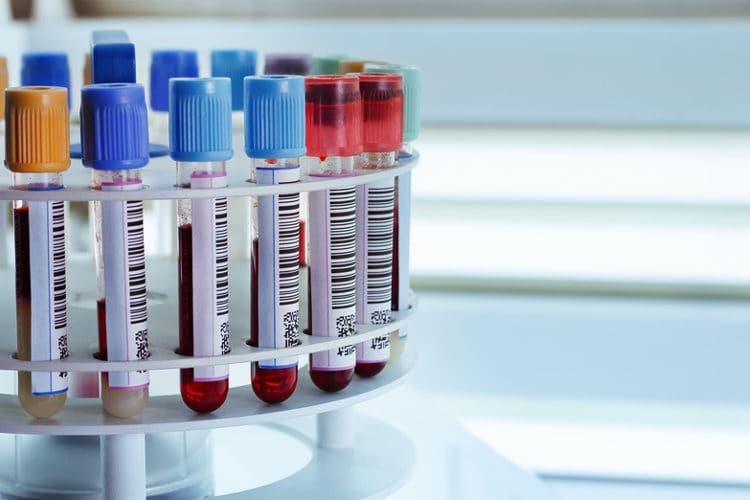
If your doctor suspects you have coeliac disease, blood tests can be ordered to check for certain antibodies.
Antibody tests include:
- anti-tissue transglutaminase antibodies – transglutaminase-IgA (tTG-IgA);
- deamidated gliadin peptide IgA (DGP-IgA) and/or IgG (DGP-IgG) tests;
- total IgA levels; and
- anti-endomysial antibodies (although this test is not used as often now).
If these blood tests show high levels of antibodies, you will probably be referred to a gastroenterologist (specialist in diseases of the digestive system) and advised to have a biopsy taken of your small intestine to confirm the diagnosis. This is because blood tests on their own are not sufficient to diagnose coeliac disease.
If you have normal blood test results but your doctor is still concerned about coeliac disease, you may also need to be referred to a gastroenterologist for further review.
Gene test for coeliac disease
There is a gene test that can help exclude coeliac disease as a diagnosis. Gene testing can be performed on a blood sample or a swab from the inside of the cheek (buccal swab). It tests for genes HLA-DQ2 and HLA-DQ8. You need to be positive for at least one of these genes to develop coeliac disease.
Gene testing may be recommended if you:
- have a family history of coeliac disease; or
- have already started a gluten-free diet (because the results of the gene test will not be altered if you have been eating gluten-free).
If the test comes back negative, there is very little chance that you have coeliac disease. The diagnosis of coeliac disease can be excluded and usually no further testing is required.
If the test comes back positive, further testing is often recommended.
Biopsy of the small bowel
A biopsy involves taking a small sample of tissue and examining it under a microscope.
To obtain a biopsy of your small intestine, your doctor will perform an endoscopy. This is a test where an endoscope (a long, thin flexible tube with a camera on the end) is passed down your throat so that your doctor can see inside your stomach and the first part of your small intestine – the duodenum.
A special instrument is then passed through the endoscope to take tiny samples of your duodenum, which are sent to pathology to be examined under a microscope.
If the biopsy samples show evidence of damage to the small intestine, the diagnosis of coeliac disease is confirmed.
Additional tests
Further blood tests to check for nutritional problems, which can occur in people with coeliac disease, may also be recommended. Your doctor may want to check whether you have a deficiency in iron, folate, vitamin B12, calcium, or vitamin D, and whether you have anaemia.
If you have coeliac disease, your doctor may recommend that you have a special X-ray, known as a bone density test, to check whether your bones have been affected. A lack of vitamin D can cause osteopenia (a condition resulting in soft, fragile bones, also known as rickets in children) and low calcium and vitamin D can cause osteoporosis (a loss of bone density that makes bones weak and more prone to fractures).
