
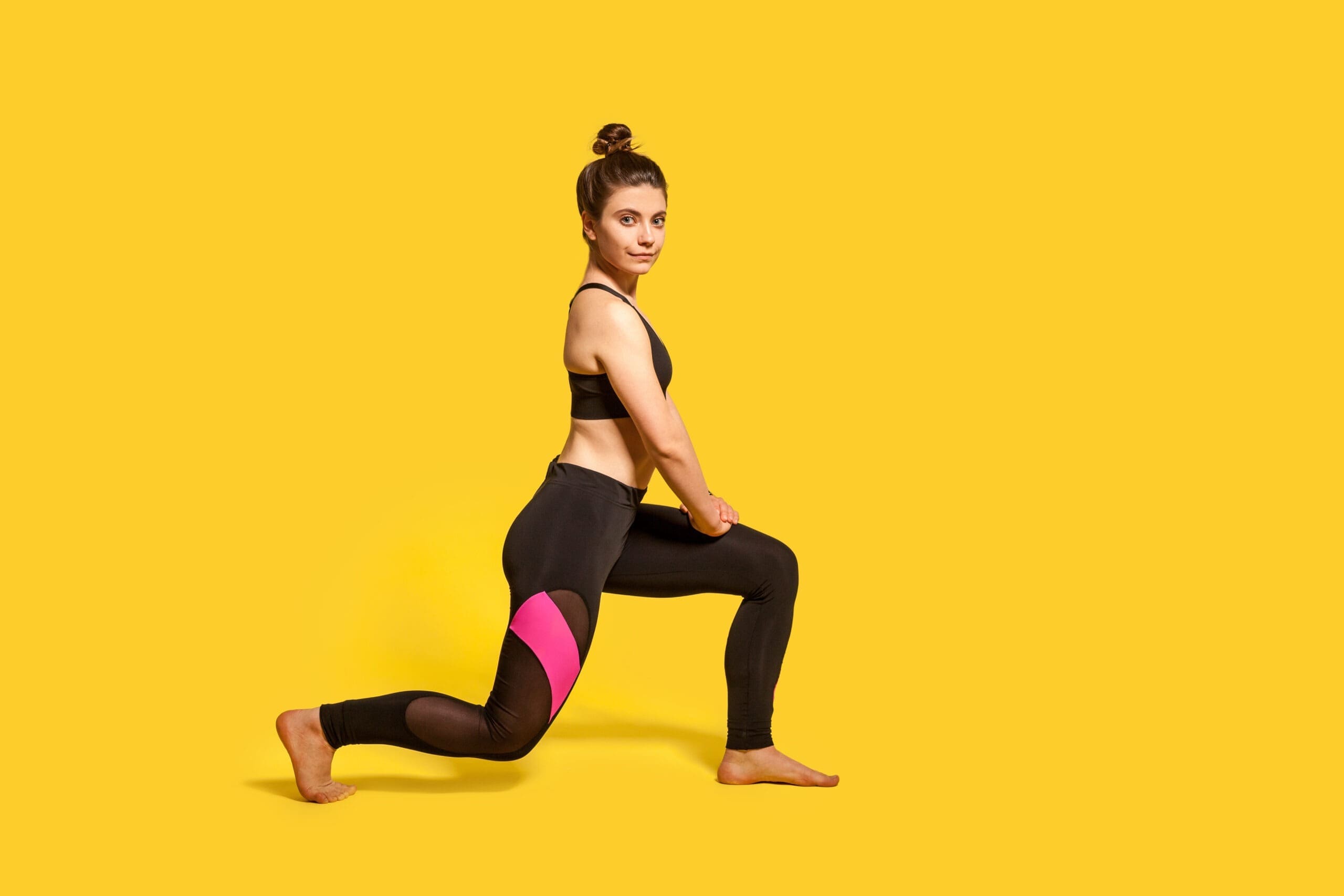
Sport, along with a wide variety of exercise, is universally recognised as an effective way to keep in shape for most people, and a great start on the road to a healthy lifestyle. However, organised sports and individual activities can also sometimes have adverse effects in the form of injury.
An Australian study identified the most common sporting activities leading to injury. These included: Australian football; basketball; soccer; netball; rugby; and cycling. Individual activities, such as weight training, running and skiing, may also lead to a range of injuries. Rollerblading and skateboarding were also common injury-causing culprits among children.
With research warning that children who experience sporting injuries are at a higher risk of suffering from re-injury in the long term, it’s important to take some sensible precautions to avoid injury in the first place. Here are some tips for getting the most out of your fitness programme or sport while preventing injury.
Avoiding dehydration and overheating
Drink plenty of fluids
Whatever sport you play, it is essential to maintain your fluid levels to avoid dehydration. If you become dehydrated you’ll not be able to regulate your body temperature as effectively, which means that you’ll risk overheating (hyperthermia). Dehydration will also adversely affect your performance, as your blood volume will be reduced and you’ll be less able to deliver oxygen to your working muscles.
It is best to start activity well hydrated. You can assess this by checking your urine is clear and not concentrated. Drink before your sporting activity and during your activity, drink to thirst. Continuing to drink after you have finished will ensure that weight lost through fluid depletion is replaced. Remember that alcohol and any drinks containing caffeine can lead to increased dehydration. Drinking copious amounts of fluid during activity has been shown to lead to electrolyte disturbances, particularly in activities that are prolonged more than 2 hours. In endurance events, it is appropriate to drink approximately 600 ml of fluid an hour, and this fluid should contain sugar and electrolytes.
Acclimatise to the conditions
Try to be acclimatised to the area and conditions where you participate in physical activities. This helps to ensure your body is equipped to handle the conditions. For example, you may be particularly vulnerable to the heat at the start of summer when you’re not used to it. Your body can adapt to exercising in warm conditions, making you more able to cope with the heat, but this takes a few weeks. One of the ways it does this is to get you to start sweating sooner. This means that even when you are fully acclimatised, it is important to drink enough to avoid dehydration.
Use sun protection
If you are outdoors, always remember to use adequate sun protection, including wearing a hat and using sunscreen, and try to avoid scheduling activities between 10am and 2 pm, the hottest part of the day.
Wear appropriate clothing
There is no benefit to exercising when you are dehydrated or have hyperthermia. So always wear appropriate clothing, which should be light and permits your sweat to evaporate freely. Sweat only cools you when it evaporates off your body.
Conversely, don’t deliberately wear excessive clothing that may cause you to overheat. If you do, you will lose even more body fluid unnecessarily, which can have an adverse effect and must be fully replaced. Sweating excessively does not help you to lose more fat, and in hot conditions the weight difference before and after a bout of exercise is mainly body fluid, all of which must be replaced for you to maintain a healthy state.
Warming up, cooling down
You can help to reduce the risk of a serious sporting injury by warming up before exercise and taking time to cool down after your activity. A warm up should consist of some gentle aerobic activity, such as cycling or jogging, to gradually warm your muscles. This should last for 5 to 15 minutes, depending on how strenuous your main exercise will be. It should also gradually increase in intensity until you have a slight sweat.
Stretching as part of your warm up helps to promote blood flow to your muscles, increasing flexibility and reducing the chance of getting a new injury or aggravating an old one. Remember, though, to stretch only when your muscles are warm. Involve all the muscle groups you will be using in your activity.
A gentle cool-down period means you will experience less muscle stiffness and soreness. It also helps to remove waste products from muscles you have used during your activity, replacing them with nutrients and oxygen. A cool down normally consists of a few minutes of low intensity exercise, such as jogging or cycling, followed by some sustained stretching.
Progress gradually
Try not to overdo it when beginning a new activity: build on your fitness levels and set goals. Knowing your limits means you have less chance of sustaining a sporting injury — a lack of fitness increases your chance of experiencing a pulled muscle or heat-related injury such as heat exhaustion. Attempting to do too much, when your body is not conditioned for it, will also increase your risk of an overuse injury.
Look at your exercise program in terms of “FIT”. Frequency, Intensity and Time. Only one of these areas should be increased each week, as a general principle.
If you have a chronic illness, a family history of heart disease or are over 40 years old and have not exercised for some time, a check-up by your doctor prior to undertaking vigorous exercise is always advisable.
The right equipment
No matter which sport you play, the correct footwear is essential to absorb the impact of movement as well as provide adequate support for your ankles and feet. This is especially important in sports where knee and ankle injuries are common, such as netball and football.
There are a variety of foot types in the population, and different feet need different styles of shoes to correctly support the feet. Advice can be sought from your sports podiatrist, sports physiotherapist, sports physician or some specialist sports shoe shops.
To help avoid injury, protective equipment such as knee and elbow pads, helmets, mouthguards, gloves or shin pads may be helpful in many contact sports or sports where there is a risk of impact with another player, the ground or a piece of equipment. Eye protection is particularly important when playing games such as squash.
Treating an injury
While broken bones and severe sporting injuries such as concussions should be treated immediately by a medical professional, less serious sprains and strains can initially be helped by the RICED method.
Using the RICED method immediately can help to limit swelling, reducing pain and loss of function.
Rest — no further exercise or stretching or quick movements.
Ice — should be applied for at least 20 minutes as soon as possible after the injury, then every 4 hours while you are awake, for the next 48 hours. Cold packs, crushed ice cubes in a wet tea towel or packets of frozen peas are ideal. Be careful to protect your skin from the ice with oil, a paper towel or a tea towel.
Compress — use a firm crepe or elastic pressure bandage on the affected joint or limb.
Elevate — keep the injured arm or leg up.
Diagnosis — if the injury turns out to be more than a minor strain, an accurate diagnosis is important, so that early and appropriate treatment can be obtained.
