
 |
|
|
|
|
|
|
|
|
|
|
|
|
|
|
|
|
|
|
|
|
|
|
|
|
|
|
|
|
 |
 |
 |
|
|||||||||||||||||||||||||
 |
 |
 |
|
|||||||||||||||||||||||||
 |
 |
 |
|
|||||||||||||||||||||||||
 |
|
|||||||||||||||||||||||||||
 |
|
|||||||||||||||||||||||||||
1. BrainExercise has been shown to ease anxiety, improve mood and fight depression. It promotes the release of a mood-lifting brain chemical called serotonin and the release of endorphins, natural feel-good painkilling substances. Exercise also improves cognitive function and decreases risk of dementia. <!– |
 |
|
||||||||||||||||||||||||||
 |
 |
 |
|
|||||||||||||||||||||||||
 |
|
|||||||||||||||||||||||||||
 |
 |
 |
|
|||||||||||||||||||||||||
 |
 |
 |
|
|||||||||||||||||||||||||
 |
 |
 |
|
|||||||||||||||||||||||||
 |
|
|||||||||||||||||||||||||||
 |
 |
|
||||||||||||||||||||||||||
 |
|
|||||||||||||||||||||||||||
 |
 |
|
||||||||||||||||||||||||||
 |
|
|||||||||||||||||||||||||||
 |
|
|||||||||||||||||||||||||||
 |
 |
|
||||||||||||||||||||||||||
 |
 |
 |
|
|||||||||||||||||||||||||
 |
|
|||||||||||||||||||||||||||
 |
 |
 |
|
|||||||||||||||||||||||||
 |
 |
|
||||||||||||||||||||||||||
 |
 |
 |
|
|||||||||||||||||||||||||
 |
|
|||||||||||||||||||||||||||
 |
|
|||||||||||||||||||||||||||
 |
 |
|
||||||||||||||||||||||||||
 |
|
|||||||||||||||||||||||||||
 |
 |
|
||||||||||||||||||||||||||
 |
|
|||||||||||||||||||||||||||
 |
 |
 |
|
|||||||||||||||||||||||||
 |
|
|||||||||||||||||||||||||||
 |
|
|||||||||||||||||||||||||||
 –>
–>We have used the terms physical activity and exercise interchangeably here, as both will have beneficial effects on the body if done regularly.
Physical activity is the term used to describe any kind of everyday activity where the body’s movement burns calories. Examples would be sweeping the yard, walking the dog, vacuuming, and walking upstairs.
Exercise is a form of physical activity. Exercise usually describes a pre-planned physical activity that involves a series of repetitive movements that are performed to strengthen or develop a particular part of the body, including the cardiovascular system. Examples of exercise would be playing tennis, running, cycling, walking, swimming or rowing.
1. Brain
Exercise has been shown to ease anxiety, improve mood and fight depression. It promotes the release of a mood-lifting brain chemical called serotonin and the release of endorphins, natural feel-good painkilling substances. Exercise also improves cognitive function (ability to process thoughts) and decreases the risk of dementia.
2. Skin
Moderate exercise stimulates circulation and so brings oxygen and nutrients to the skin. Sweating, which is increased by exercise, allows the body to excrete wastes via the surface of the skin.
3. Lungs
Regular exercise increases lung capacity and strengthens the respiratory muscles. Exercise also reduces risk of lung cancer.
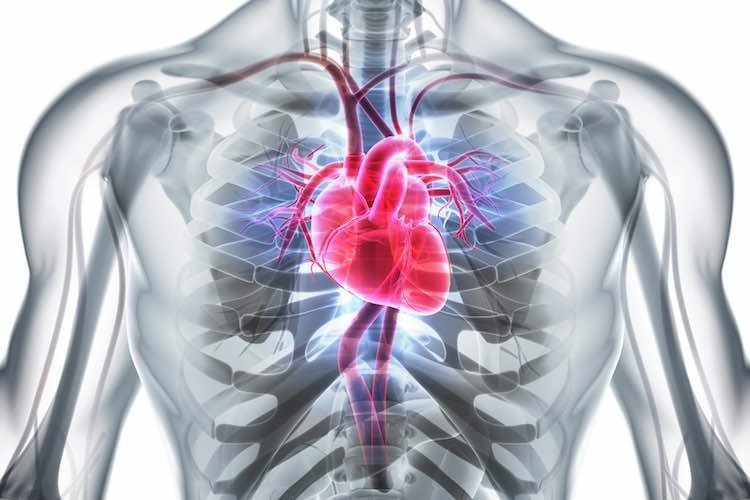
4. Heart
- Regular exercise strengthens and builds the heart muscle so it pumps more effectively.
- Regular physical activity or exercise reduces your chance of getting heart disease.
5. Breasts
Regular exercise has been shown to reduce women’s risk of developing breast cancer.
6. Immune system
Moderate exercise boosts the immune system, but over-exercising and frequent strenuous exercise dampen down the immune response.
7. Blood pressure
Regular physical activity can significantly reduce the risk of developing high blood pressure and can help to lower blood pressure in those who already have high blood pressure.
8. Bloodstream
Regular exercise also increases the level of HDL-cholesterol (‘good cholesterol’) in your blood and reduces the level of LDL(‘bad’)-cholesterol. This keeps your arteries clear of fatty deposits (plaque) made up of cholesterol and other substances. This reduces the risk of clots in the coronary arteries, which can lead to heart attack, and clots in the arteries supplying the brain, which can lead to stroke.
9. Diabetes
Regular exercise can prevent and help control type 2 diabetes. Exercise helps insulin to work better and also makes your cells more sensitive to the effects of insulin — two ways to improve how your body deals with sugar.
10. Colon
Regular exercise reduces the risk of colorectal (bowel) cancer, possibly by its effect of speeding up the movement of food through the bowels.
11. Reproductive organs
Regular moderate to vigorous aerobic exercise has been shown to improve both libido (sex drive or desire) and sexual performance. It can also improve fertility, although excessive amounts of exercise may suppress libido, and in women, if coupled with excessive weight loss may cause menstrual disturbances and infertility. Exercise also reduces the risk of prostate cancer and ovarian cancer.
12. Bones
Weight-bearing exercise (e.g. walking, stairclimbing, weightlifting) helps preserve bone mass and thus protects against osteoporosis.
13. Muscles
Exercise builds and strengthens muscles, which can protect the bones from injury, and support and protect joints affected by arthritis. Strong muscles also give stability and improve balance and coordination. Exercise also improves blood supply to the muscles and increases their capacity to use oxygen. Resistance training prevents the age-related loss of muscle mass known as sarcopenia.
14. Joints
Exercise lubricates the joints, and reduces joint pain and stiffness. It also helps people with arthritis by increasing flexibility and muscle strength.
15. Balance
Regular exercise and physical activity strengthen the muscles and improve balance and coordination, leading to fewer falls in the elderly.
