
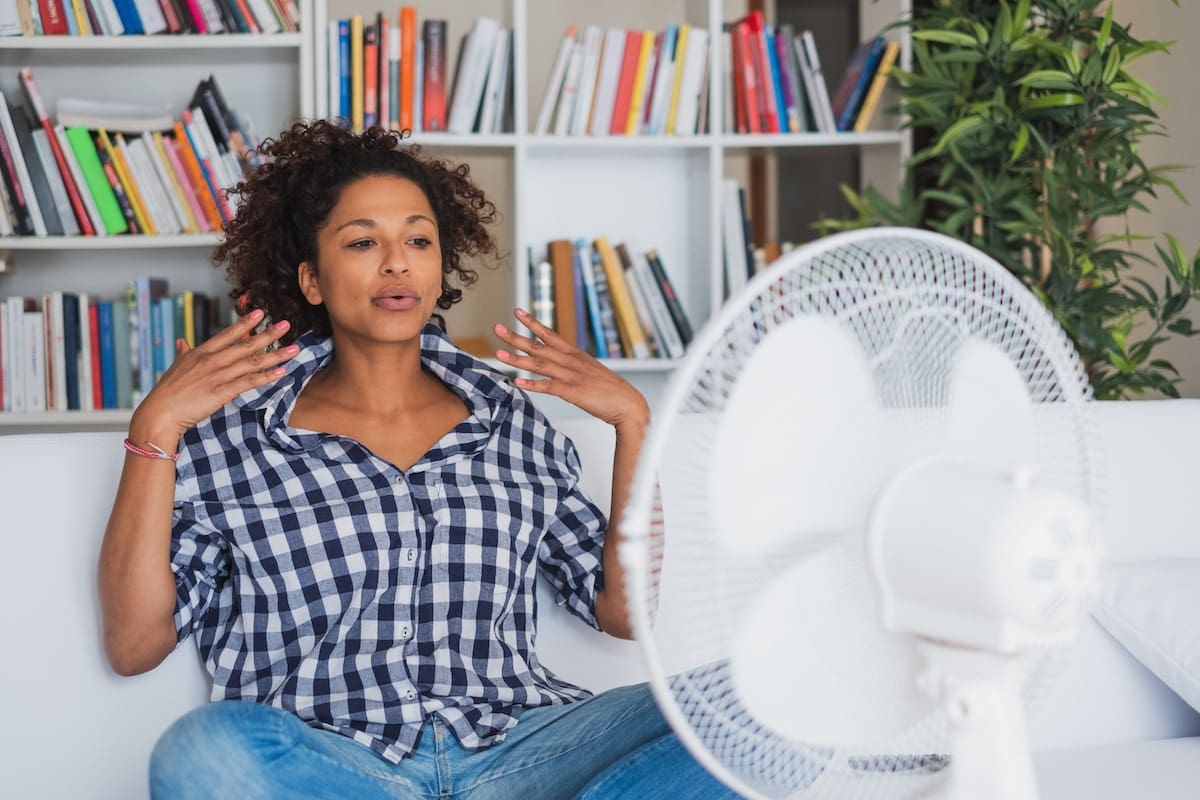
When your body can’t keep itself cool you can develop heat illnesses, ranging from heat cramps to heat exhaustion and, most serious of all, heat stroke.
Heat cramps and heat exhaustion are not usually serious and get better quickly as you cool down. But heat exhaustion can develop into heat stroke, which can be life-threatening and needs immediate treatment.
There are 2 types of heat stroke:
- Classic heat stroke, which happens in very hot and humid weather conditions and may develop slowly, over several days. It usually affects older people or those with illnesses that mean they are less able to cope with the heat and/or remove themselves from hot environments.
- Exertional heat stroke, which happens through exercise or exertion in hot and humid weather.
Some people are more prone to heat illnesses than others, but there are things you can do to prevent heat exhaustion and heat stroke.
What are the symptoms of heat exhaustion and heat stroke?
Common symptoms of heat exhaustion include:
- feeling hot;
- headache;
- feeling dizzy or light-headed;
- severe thirst;
- extreme tiredness and weakness;
- pale, cool or clammy skin, which may later become red or flushed;
- muscle cramps (often affecting the calves and toes); and
- nausea and vomiting.
You may also have signs such as a fast, weak pulse, and your breathing may be fast and noisy. The core body temperature is lower than 40 degrees Celsius in heat exhaustion.
Children with heat exhaustion may be very sleepy or even become floppy.
In heat stroke, the core body temperature is 40 degrees Celsius or higher. Symptoms may include some symptoms of heat exhaustion (headache, nausea and vomiting, dizziness, fast pulse and breathing). Additional symptoms can include:
- hot, red and dry skin, usually without any sweat;
- confusion, irritability or agitation;
- loss of muscle control and coordination (which can affect movement and speech);
- loss of consciousness;
- shortness of breath or trouble breathing; and
- seizures.
What causes heat stroke and heat exhaustion?
Heat illnesses happen when the body’s systems to regulate temperature fail.
Normally, our bodies keep cool by producing sweat that evaporates. But when we are exposed to high temperatures and humidity, especially for long periods (such as during heatwaves) the natural cooling system may be overloaded. You may no longer be able to produce enough sweat to cool yourself or high humidity may prevent the sweat evaporating.
The term ‘sunstroke’ is sometimes used to describe heat illnesses, but these conditions can develop in any type of hot environment, even if you are not exposed to the sun.
What is the ‘feels like’ temperature?
Many weather forecasts include a ‘feels like’ or ‘apparent’ temperature as well as the air temperature. The feels-like temperature is a measurement of how hot it feels taking into account the humidity as well as the air temperature. It is an indicator of heat stress. In humid weather the feels-like temperature is higher than the air temperature. The feels-like temperature is usually given for a person standing in the shade. In the sun, it would be even higher – an extra 8 degrees Celsius when the sun is at its highest in Australia.
According to Sports Medicine Australia, there is a high risk of heat illness when the air temperature reaches 31 degrees Celsius with 50% humidity (feels-like 35 degrees Celsius). The risk is extreme at an air temperature of 36 degrees Celsius with 30% humidity (feels-like 38 degrees Celsius). Heat illness can still occur at lower temperatures, especially if you have a condition that increases your susceptibility.
Heat, humidity and risk of heat illness
The ‘ambient’ temperatures usually given in weather forecasts or on standard thermometers are ‘dry bulb’ temperatures. They are most useful on hot dry days. Whilst they give an indication of air temperature they don’t really predict thermal comfort, which also depends on how humid the air is. High humidity (the amount of water vapour in the air) makes it harder for your body to evaporate sweat and so it can’t cool your body.
Exercising or working in hot conditions that are also humid makes it much more likely for a person to suffer from heat stress or heat stroke. This can be a problem in many areas of Australia and at certain times of year.
Wet bulb globe temperature is another measure of temperature, but it takes into account how much moisture is in the air. The difference between dry bulb and wet bulb globe temperature can be used to calculate humidity in the air.
Organisations which give guidance for people working and exercising in hot weather (such as Sports Medicine Australia) often provide tables of wet bulb globe temperature for reference in humid conditions, to prevent thermal illness. The Bureau of Meteorology gives wet bulb globe temperatures for most regions of Australia.
Who gets heat illnesses?
Anyone can get a heat illness, but some people are more at risk because they are less able to regulate heat. Babies, young children and older people are more susceptible to heat illnesses.
You may also be more susceptible if you:
- are not used to hot weather;
- are wearing unsuitable clothing for the heat;
- don’t drink enough water and other suitable fluids;
- have an infection (for example if you have a viral illness) or an ongoing health problem (such as a heart condition or overweight);
- take certain medicines (including some medicines used to treat high blood pressure and depression);
- have taken illicit drugs (such as MDMA); or
- have been drinking alcohol.
People who have had heat stroke in the past may be at increased risk of developing it again.
Older people or those with severe dementia are at increased risk because they may have a reduced ability to recognise and respond to heat.
Importantly, although dehydration may lead to heat illness, both heat exhaustion and heat stroke can occur without you being dehydrated.
First aid
If you suspect you or someone else has heat exhaustion, carry out the following first aid measures.
- Go to a cooler area right away – somewhere indoors or in the shade, preferably with circulating air (from a fan or breeze).
- Lie down and rest with your legs higher than your head.
- Remove any excess clothing and loosen tight clothes.
- Sponge or spray your body with cold water and fan your skin.
- Slowly sip cool water or other fluids, or suck on ice chips.
- Gently stretch any muscles that are cramping.
These first aid measures for heat exhaustion should cool you down, and you should start to feel better within about half an hour. If you or the person you are looking after is not improving after 30 minutes, or if signs of heat stroke develop (such as hot, dry skin, confusion or collapse), call 000 for an ambulance.
Heat stroke is a medical emergency and can cause organ damage, death or permanent disability if not treated urgently. If a person has heat stroke, they need to be actively cooled down. While you are waiting for an ambulance:
- apply cold, wet towels or sheets to the skin, or spray water onto the skin;
- direct a fan at the person;
- place ice packs wrapped in a towel on the side of the neck, in the armpits and groin; and
- if they are conscious and able to swallow, give the person cool water or a sports drink to sip.
If the person is unconscious or partly conscious, put them in the recovery position.
Once the person’s skin feels cool, or if they start to shiver, you should stop trying to cool them down, as shivering raises the body temperature.
Treatment for heat stroke
People with heat stroke need to be treated in hospital. The person needs to be cooled down to reduce the risk of serious complications, which are more likely to develop the hotter you are and the longer you have untreated heat stroke.
Cooling treatment may involve being immersed in an ice bath or using special cooling blankets or mats. Evaporative cooling (that involves applying mist to the skin) and ice packs may also be used.
People with heat stroke also need intravenous fluids (fluids given into a blood vessel via a drip), close monitoring and regular blood tests to check for organ damage.
How can I prevent heat exhaustion and heat stroke?
There are steps you can take when the weather is hot to reduce your risk of getting heat exhaustion or heat stroke.
When it’s very hot
- Stay indoors, in air-conditioned areas when possible.
- Take a cool shower to cool down.
- Drink plenty of water. Drink less tea, coffee and alcohol as these can contribute to dehydration.
- Wear lightweight, light-coloured, loose-fitting clothes made of fabric that ‘breathes’ (lets sweat evaporate).
- Try to avoid spending time outdoors during the hottest hours of the day: 10am to 4pm. Wear a hat or use an umbrella to protect yourself from the sun if you do go out.
- Never leave anyone in a parked car on a hot day. Children, pets and anyone who can’t get out of a locked car is at risk of heat stroke within just a few minutes. Cars can get extremely hot very quickly in hot weather, even when parked in the shade with the windows cracked open.
Plan your activities when it’s hot
- Schedule vigorous activities for cooler times of the day.
- Drink plenty of water before starting an outdoor activity.
- During activities, take frequent breaks and drink cold water or other fluids every 15 to 20 minutes, even if you don’t feel thirsty. (If you have clear, pale urine, you are probably drinking enough fluids.)
- When travelling or at the start of summer, allow yourself to acclimatise before exerting yourself in hot weather. Athletes may need to spend several weeks acclimatising before competing in hot weather.
