
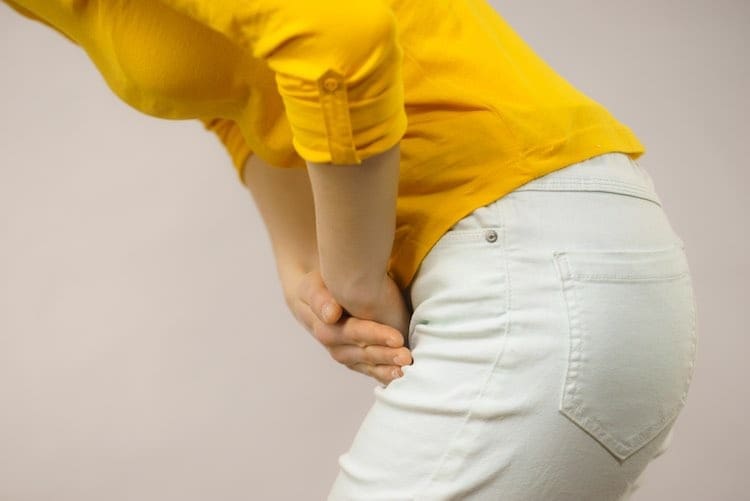

What is a groin strain?
A groin strain most commonly involves a partial tear of the muscles of the inner thigh – known as the adductor muscles. These muscles help to stabilise the trunk and move the legs inward and include pectineus, adductor brevis, adductor longus, adductor magnus and gracilis. The adductor longus is the most commonly injured structure. These adductor muscles run from the pubic region of the pelvis down the inner thigh. Mild strains involve overstretching of the muscle, whereas more severe strains can involve extensive tearing of the muscle fibres.
Symptoms of groin strain
Symptoms are a sudden sharp pull in the front of the groin when the muscle is forcibly stretched, which will cause a sudden pain and inability to continue running or moving. Pain can range from mild discomfort and stiffness in the groin area to severe pain on walking and often radiates down the inner thigh. Bruising may develop and limping may also be a symptom.
Causes
Running, jumping, forced push off (side to side movement) and sudden changes of direction when running are the activities that most commonly lead to groin strain.
Diagnosis
It is important that a strain to the adductor muscles is distinguished from other groin injuries, such as a sportsman’s hernia, osteitis pubis, and other less common conditions such as a stress fracture or hip injuries, as all of these are treated differently. Accurate diagnosis is important in groin injury, as these conditions have a tendency to be slow to heal without appropriate treatment.
Treatment of groin strain
Rest, ice application and taping are the initial treatment. Anti-inflammatory medicines may help. Once the acute pain has settled, stretching and strengthening exercises are usually started under the supervision of a physiotherapist. Groin strains can become ongoing problems, and early diagnosis and treatment is important for a full recovery.
