
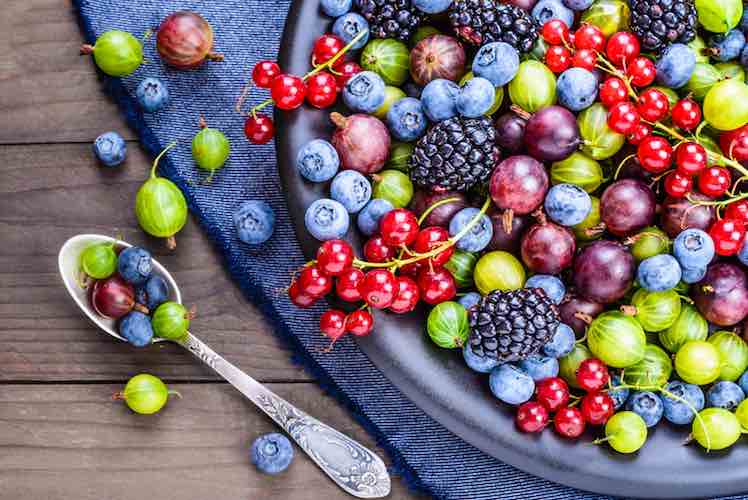
Oxygen is essential to life, but as our bodies use oxygen, we generate by-products known as reactive oxygen species (ROS) or, more commonly, free radicals. These compounds are a normal part of the body’s stress response, but they can damage healthy cells and are especially likely to attack the fats that provide structure to the membranes surrounding body cells. Free radicals are also produced from exposure to cigarette smoke, excess exposure to the sun, drinking alcohol, from exposure to large amounts of heavy metals and during any inflammatory response. Antioxidants neutralise the effects of free radicals, but activity may be limited to specific antioxidants.
Sales of antioxidant supplements and cosmetics have increased dramatically with the hope they may have anti-ageing effects, although their true role is much more than skin deep. Antioxidants function in many body systems and it’s important to sort out the genuine research from the marketing hype.
Why are antioxidants in food important?
The body produces a range of its own protective antioxidants. Some foods are also rich in antioxidants and these may boost the body’s own supply. There is some evidence that antioxidants in plant foods may become especially important as we age and produce more free radicals.
Plants produce hundreds of antioxidants for their own protection. Some that may also be useful to us are present in vegetables, fruits, herbs and spices, nuts and wholegrains. Tea, coffee, extra virgin olive oil, red wine and dark bitter chocolate are also rich in antioxidants.
Antioxidants produce the bright colours in fruits and vegetables and the flavour of extra virgin olive oil, tea or coffee. Bitter compounds in foods such as rocket are also potent antioxidants.
Claims that a particular food is the ‘richest source of antioxidants’ can be confusing as the claim may depend on the type of measurement used or refer to a particular antioxidant, such as lycopene in tomatoes, and does not necessarily consider how well particular antioxidants can be absorbed. The variety and combination of antioxidants in their natural food sources may also be important as isolated antioxidants may not function in the same beneficial way.
Anti-oxidant nutrients
Antioxidant action is also part of the role of vitamins C,E, folate and beta carotene and also the minerals selenium, manganese, copper and zinc. Much of the marketing of antioxidants concentrates on these nutrients. However, studies of antioxidant minerals and vitamins taken as supplements have been disappointing and it appears that the complex array of antioxidants present naturally in plants as well as those the body produces in reaction to stress may be more important.
| Antioxidants and their sources in food | |
|---|---|
| Type of antioxidant | Major food sources |
| Flavonoids | |
| Flavones |
|
| Isoflavones |
|
| Flavanols (including catechins and proanthocyanidins) | Catechins
Proanthocyanidins
|
| Flavanones |
|
| Flavonols |
|
| Anthocyanins |
|
| Isothiocyanates | |
| Sulphoraphane |
|
| Phenolic acids | |
| Caffeic acid, ferrulic acid |
|
| Sulphides | |
| Various allyl sulphides |
|
| Vitamins | |
| Vitamin C |
|
| Folate |
|
| Beta carotene |
|
| Vitamin E |
|
| Minerals | |
| Selenium |
|
Can antioxidants prevent disease?
Research into antioxidants is in its infancy. Epidemiological studies (studies of large populations that try to link disease in that population with a cause) show that a diet rich in foods with high levels of antioxidants is associated with longevity and good health. Evidence from laboratory studies indicates that particular antioxidants may have specific roles in disease prevention. HOwever, most clinical trials using antioxidant vitamins have not shown expected results.
Cardiovascular disease
There is widespread agreement from many studies that a diet high in fruits and vegetables reduces the risk of cardiovascular disease and some types of cancer. Growing evidence also shows that wholegrains offer protective effects against both types of disease, although this may not be related specifically to their antioxidant capacity. Nuts are also protective against cardiovascular disease, but current evidence suggests this is due to their essential fats, minerals and an amino acid called arginine that is plentiful in nut protein. The jury is still out on whether antioxidants in green and black tea help prevent cardiovascular disease.
With red wine, there is good evidence for protection against cardiovascular disease, but benefits are wiped out if intake is high. It is still unclear how much of the benefit comes from alcohol’s effect of raising HDL (so-called ‘good’) cholesterol and how much the antioxidant compound, resveratrol, is responsible. The evidence is insufficient to suggest that non-drinkers should start drinking.
Much research is attempting to elucidate the potential benefits of dark chocolate, although researchers agree that fruit and vegetables are a wiser dietary choice, since their antioxidants come without chocolate’s high load of fat and kilojoules.
Cancer
Research continues to examine possible protective roles against cancer due to various foods, including spices, herbs and tea, fruit, vegetables and antioxidants in extra virgin olive oil. Results of recent studies do not support antioxidant supplements, but health authorities continue to find benefits of a high intake of fruits and vegetables. There is concern about possible interactions between high doses of some antioxidant supplements and chemotherapy drugs that work by using free radicals to kill cancerous cells.
Macular degeneration
Some positive messages were expected from studies of particular antioxidants in macular degeneration, the major cause of blindness in elderly people. Some (but not all) studies initially suggested that specific antioxidant supplements helped protect against further degeneration, while others backed greater benefits from vegetables and fruits rich in the antioxidants lutein and zeaxanthin. Egg yolk is also a good source of these compounds. A recent and extensive review reports no benefits of vitamin E, beta carotene or any antioxidant supplements for preventing age-related macular degeneration.
Immune system
Frequent claims suggest that antioxidants benefit the immune system. In theory, that sounds valid, but specific evidence continues to elude scientists.
Anti-ageing
For many people, the greatest interest is in antioxidants’ anti-ageing potential. Since the body’s production of its own antioxidants decreases in old age, few doubt the potential value of dietary sources. However, there is no evidence that extra antioxidants stop hair greying, prevent wrinkles or provide a ‘fountain of youth’.
Take care with high doses of antioxidants?
Antioxidants can act in different ways, depending on the dose and the environment in which they are operating. Laboratory studies show that some antioxidants (including minerals the body uses to produce its own antioxidants) can become pro-oxidants at high doses which could potentially damage DNA.
In most areas of health, recent research finds insufficient evidence to support antioxidant supplements, and indeed, some evidence of harm for supplements of vitamins A, E and beta carotene. However, plenty of studies back recommendations to increase our antioxidant intake by eating more fruit, vegetables and wholegrains.
Dr Rosemary Stanton, Nutritionist, Visiting Fellow, Faculty of Medicine, University of New South Wales.
