
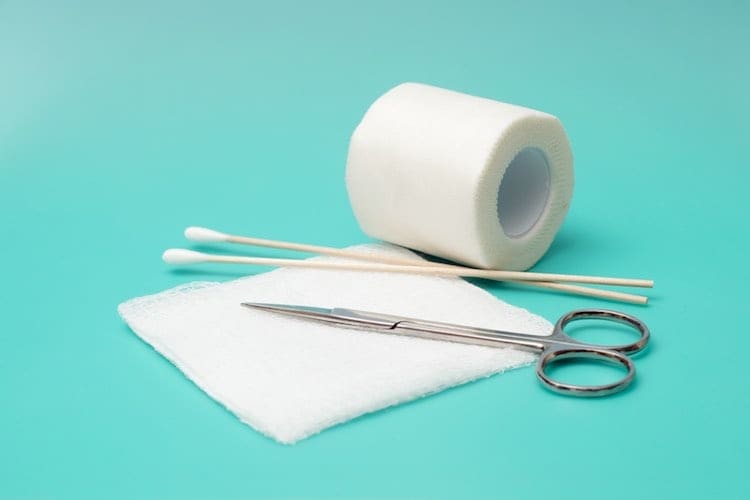
The following is a guide to managing different types of wounds.
Surgical wounds
Surgical wounds are incisions (cuts) made through the skin during surgery. Wound edges can be kept together with wound closure strips, sutures (stitches), staples or surgical glue. Special dressings are available to absorb fluid (exudates) from weeping wounds.
Surgical wounds can sometimes break open before they are completely healed. Your doctor will advise what to do if this happens.
Always clean or wash your hands before changing your dressings and follow your doctor’s instructions. Take the opportunity to observe how the wound is healing and if you have any concerns about the wound, such as those mentioned below, contact your healthcare provider. Your doctor will advise you how long the wound should take to heal.
See your doctor if:
- You notice changes around the wound, such as spreading redness, increased pain, tenderness, swelling or bleeding.
- The wound has opened up, or got deeper or larger.
- Drainage from the wound increases.
- Fluid from the wound becomes thicker, changes colour or smells unpleasant.
- You have a fever.
Puncture wounds
Puncture wounds are caused by the entry of a foreign object, such as a nail or a splinter. They don’t usually cause much bleeding and seem to close up quickly, however, there is a risk of infection from the foreign object. There is also a risk that part of the foreign body has remained in the wound, especially with wood or glass splinters or sea urchin spines.
Stop the bleeding by applying a clean cloth or bandage. Then, remove any debris with sterile tweezers and clean around the wound with soap and water or a weak saline (salt) solution. Apply antibiotic cream or ointment (if necessary) and then cover the wound.
- Cover minor wounds with dressing strips or non-stick dressings.
- For more extensive wounds, use wound pads or island dressings.
See your doctor if:
- There are signs of infection, such as redness, warmth or swelling.
- The wound doesn’t heal.
- The wound is deep.
- The wound was caused by a snake, animal or human bite.
- The wound is contaminated with soil or saliva.
- You suspect a retained foreign body.
You may need to have a tetanus shot or booster.
Burns
Burns can be caused by the sun, heat, friction, electricity or chemicals.
The emergency care of burns depends on what category of burn it is – first-degree, second-degree or third-degree.
First-degree burns are those causing damage to the outer layer of the skin (the epidermis) only. They are characterised by red skin, swelling and pain.
Second-degree burns involve the first-layer of skin being burned through and the second layer (the dermis) also being burned. They are characterised by blisters, red patchy skin and severe pain and swelling.
Third-degree burns involve all layers of the skin (so-called full thickness burns) and may extend further to fat, muscle and bone. They are characterised by charred areas or areas that are dry and white.
Minor burns, such as first-degree burns (unless they involve the hands, feet, face, genitals or buttocks) and second-degree burns smaller than a 20 cent coin (unless they involve the hands, feet, face, genitals or buttocks), can be dealt with at home, but more serious burns need immediate medical attention. If you are not sure of the severity of the burn, seek medical attention.
For minor burns, apply immediate first aid by cooling the burn with cool running water (not cold water or ice) for at least 20 minutes. Remove all jewellery from the affected area. Cold compresses or hydrogels – specialised water-based gels that provide moisture to the wound – can also be used to cool the burn if water is not available.
Cover the burn with a non-stick sterile gauze bandage. Don’t use fluffy dressings that may leave lint in the wound. Take a pain reliever if appropriate. You may need a tetanus shot or booster. Check with your doctor.
There are a number of different types of non-adherent dressings that may be useful for covering small areas of blistering. Your pharmacist, nurse or doctor will be able to advise you.
For more serious burns, always seek advice from your doctor.
See your doctor if:
- You see signs of infection, such as increased pain, redness, swelling or oozing around or in the burn wound.
- You develop a fever.
Minor burns should heal without any more treatment. The healed area may be a different colour to the rest of your skin, and you should use sunblock on the area for the next year at least.
Skin tears
Skin tears are wounds caused by trauma that lead to loss of skin or a tear in the skin. They can be shallow or deep. Skin tears often occur in the fragile skin of the elderly. People taking corticosteroids are also at risk of skin tears as are people with reduced vision or mobility, who are more likely to bump into things.
Stop any bleeding by applying gentle pressure to the wound. Then carefully wash the wound with saline or warm water, and gently pat it dry while ensuring that it is not damaged further. If possible, salvage the skin flap and spread it back over the wound as a dressing. A cohesive or tubular retention bandage may be used to hold it in place.
The skin tear should be covered with a non-adherent wound dressing. The preferred wound dressing depends on the features of the skin tear. Your healthcare professional will be able to advise the best type of dressing. A cohesive or tubular bandage can be used over the top to keep dressings in place.
See your doctor if:
- The tear looks deep.
- It exposes a large area of tissue underneath the skin.
- There are any signs of infection, such as inflammation, swelling, oozing, pain or heat.
- The wound continues to bleed.
- The wound doesn’t heal.
- The surrounding skin becomes macerated (softened with the tissue breaking down).
Leg and foot ulcers
Ulcers are wounds that don’t heal or that keep recurring.
There are numerous types of leg and foot ulcers, including:
- diabetic foot ulcers;
- venous leg ulcers;
- arterial ulcers;
- malignant ulcers (caused by skin cancer);
- neuropathic ulcers (associated with loss of sensation in the foot); and
- traumatic ulcers.
Ulcers occur fairly commonly in older people on the legs and feet. Poor circulation is a risk factor for developing foot and leg ulcers. People with diabetes are particularly susceptible to foot ulcers as diabetes affects the normal healing process of wounds.
You should make sure that chronic ulcers are correctly diagnosed by your doctor before commencing treatment. Your healthcare team will give you instructions on how to care for your wound at home. There are a variety of specialised dressings for leg ulcers, depending on the stage of healing that the ulcer has reached. Compression bandages are often used to aid in healing of venous ulcers.
People with diabetes, those with leg and foot numbness due to other causes and people with severe circulation problems may benefit from regular treatment and assessment by a podiatrist.
See your doctor if:
- A leg ulcer is slow to heal.
- There are signs of infection, such as pain, pus, or redness or increased warmth.
- The wound starts to deteriorate.
Pressure sores
Pressure sores (also known as bedsores) are wounds caused by sustained pressure on the skin. The problem may be exacerbated by friction or shearing forces when a person is repositioned in bed or a chair, which makes the skin more vulnerable to injury. Pressure sores damage the skin and underlying tissues. Common areas to get pressure sores are the bony areas of the body, such as the heels, ankles, buttocks, tailbone, hips and shoulders. These wounds can appear quickly and may be difficult to treat.
Risk factors for pressure sores include being confined to bed or chair, and using a wheelchair.
Healing of pressure sores can take weeks to months. Treatment usually involves regular repositioning of the person, special support devices to relieve pressure and individualised plans for debridement (removal of dead or diseased tissue), cleaning and dressing of the wound. There are many types of dressing for pressure sores and different dressings may be used over the course of treatment.
See your doctor if:
- There are signs of infection, such as fever, drainage or a bad smell from a pressure sore.
- There is increased redness and heat in the surrounding skin.
Wound healing
You should watch the wound closely for signs of infection, such as redness spreading out from the wound, and clean the wound before applying a dressing. The solution of choice for cleaning most serious wounds is sterile normal saline (a weak salt solution).
Incorrectly diluted antiseptics can damage the healing skin and delay healing. Antiseptics can also be absorbed directly into the body through deep or large open wounds, and may make the person feel unwell.
Topical antibiotics and antiseptics are not necessary where there is no sign of inflammation or infection. Overuse of these medicines can lead to bacterial resistance.
Avoid putting irritating agents on the wound. Keep cleansing and dressings simple and do not pick the scabs off as the wound heals, as this can cause scarring. Scabs are an effective natural form of dressing.
Moisture balance is an important aspect of wound care – if a wound is too moist or dry its healing can be affected. A large variety of wound dressings are available that can assist healing, but the right choice depends on the characteristics of the wound. If in doubt seek advice from a pharmacist, specialist nurse or your doctor.
