
What is eczema?
Eczema — also known as atopic dermatitis — is a type of chronic (ongoing or recurrent) skin inflammation. People with eczema have dry, itchy skin.
Eczema most often first appears during the first year of life, but can affect people at any age. Eczema often improves as you get older, and many children with eczema grow out of it altogether by the time they are in primary school. However, some people continue to have problems with dry, sensitive skin.
While there is no cure for eczema, there are treatments that can reduce symptoms and prevent flare-ups.
What are the symptoms of eczema?
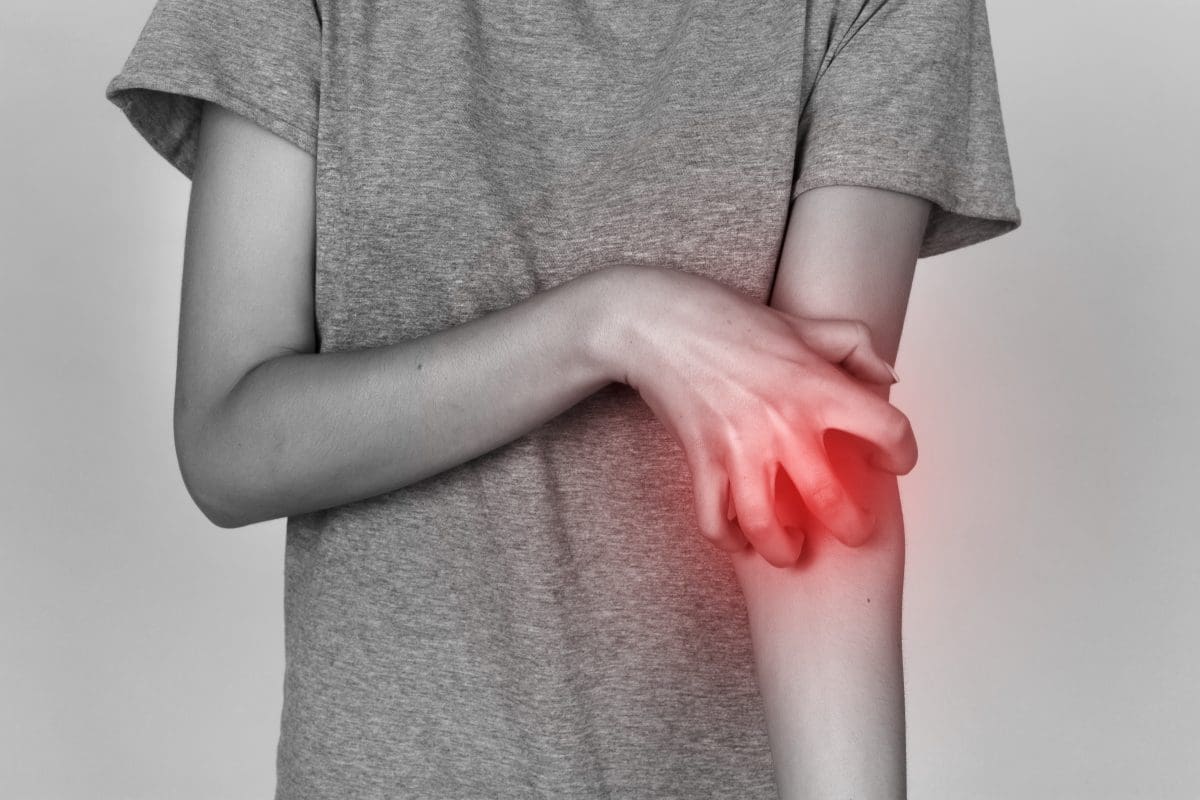
People with eczema have areas of itchy, dry skin, which can develop into a scaly red or pink rash. Sometimes the rash is accompanied by oozing and crusting. Over time, itching and scratching can lead to thickening and cracks in the skin.

Eczema can affect the skin anywhere on the body – the affected areas can vary according to your age.
- In babies, eczema often occurs on the face (especially the cheeks and chin), trunk and scalp.
- In older children and adults, eczema commonly affects the insides of the elbows, behind the knees, the wrists, ankles, neck and ears.
- Adults working in certain occupations often get eczema of the hands.
What causes eczema?
The exact cause of eczema is not known, but it is thought to be due to a combination of genetic and environmental factors. Many people with eczema have family members with eczema, as well as allergic conditions such as hay fever and asthma.
Mutations in certain genes that are involved in forming the outer layer of skin and genes that affect the functioning of the immune system have been found in people with eczema.
The normal protective barrier of the skin – which keeps moisture in and foreign substances out – is not effective in many people with eczema. Several gene mutations have been found that lead to this impaired barrier function. One such mutation is in the gene that makes a skin protein called filaggrin, which is found in the outer layers of normal skin and plays an important role in the skin’s ability to form a barrier.
When the skin barrier is not effective, the skin dries out too easily and can crack and become ‘leaky’. This can let allergens (substances that cause allergies) and irritants into the skin, stimulating the immune system to react and triggering the release of chemicals that cause itching. This process is believed to sensitise the immune system, leading to an exaggerated response in the skin of people with eczema, and possibly also leading to the development of hay fever, asthma or food allergies.
This idea that the skin barrier defect is the primary problem, causing the immune system overreaction in eczema, highlights the importance of trying to keep the skin barrier intact by using moisturisers. There are ongoing investigations into whether restoring the skin’s barrier early in life can prevent the sensitisation and subsequent development of eczema and other other allergy-related conditions such as allergic rhinitis (hay fever), asthma and food allergies.
What can trigger eczema?
Eczema can be triggered or worsened by a number of factors.
Allergens
Common allergens (substances that can aggravate eczema if you are allergic to them) include:
- pollens;
- house dust mites; and
- animal dander (small scales from the skin and hair of animals).
Irritants
Common environmental irritants that can aggravate eczema when they come into contact with the skin include:
- soap, bubble baths, shampoos and detergents;
- chlorine in swimming pools and spas;
- sand;
- grass;
- grease;
- perfumed creams and ointments; and
- certain materials and fabrics, for example wool and nylon.
Temperature and humidity
Extremes in climate – hot and humid or cold and dry weather – can trigger eczema. Long, hot showers and dry, overheated rooms and air conditioning can also worsen eczema.
Food
It’s not uncommon for young children with moderate to severe eczema to also have food allergies. But the food allergies are rarely the main cause of the eczema.
Also bear in mind that some foods can irritate the skin around the mouth, which can be mistaken for a food allergy. Tomato-based foods, citrus fruits (e.g. oranges) and strawberries are typical culprits. Simply apply a barrier cream or ointment to the face and hands before eating these foods to avoid the skin irritation.
Stress
Stress can contribute to eczema flare-ups.
Occupation
Eczema affecting the hands may develop in people with jobs that involve frequent hand washing or exposure to chemicals or grease (such as jobs in health care or food preparation).
Complications
Having broken, scratched or weeping skin caused by eczema can leave it susceptible to a secondary infection. This can be a bacterial infection, such as impetigo, or a viral skin infection, such as cold sores (herpes simplex virus) or warts.
Diagnosis and tests for eczema
Doctors can usually diagnose eczema based on the appearance of the skin and your symptoms.
If you or your child have severe eczema, your doctor may refer you to a dermatologist (skin specialist) for testing and treatment.
In most cases of eczema, allergy testing is not needed. If your eczema is severe and seems to be related to an allergy, your doctor may recommend you have allergy testing, including allergy blood tests. Skin prick allergy tests can be misleading in people with eczema, because they are done by scratching the skin which can be aggravating in itself and provoke a reaction not necessarily related to the allergen being tested. This type of allergy testing is usually done by a specialist in allergies.
Patch tests may be recommended for some people when it’s suspected that some symptoms may be due to contact dermatitis.
Treating eczema
Treating eczema is a proactive, ongoing process which involves maintaining the skin’s barrier as much as possible by keeping moisture in and keeping irritants and allergy triggers out.
Eczema flare-ups need to be treated promptly with medicated ointments or creams.
Self-care measures to maintain the skin’s barrier
To improve the condition of your skin, regularly use moisturiser and avoid using soap and other substances that irritate your skin.
Moisturise your skin
Moisturising your skin is one of the easiest and most important measures in protecting your skin barrier, preventing itching and scratching, as well as reducing eczema flare-ups. Very dry skin needs to be moisturised at least twice daily.
It’s important to incorporate regular moisturising into your daily skincare routine. Moisturisers (also called emollients) should be applied within 3 minutes of having a bath or shower to lock in the moisture. Apply straight after patting the skin dry. Avoid moisturisers that contain perfumes and preservatives, which can irritate the skin.
If you can, use ointments (which tend to be more effective than creams or lotions) if you have very dry skin.
Ointments such as emulsifying ointment are greasier and harder to apply, but good for very dry or scaly areas and tend not to sting. Creams that can be effective include aqueous cream and sorbolene cream. Lotions and sorbolene cream that comes in a pump dispenser may cause mild stinging when applied to broken skin.
Soap substitutes
Normal soap is alkaline and can further dry out your skin. Soap, bubble bath and detergent-based shampoos should be avoided, and instead soap and shampoo substitutes should be used.
Sorbolene cream, aqueous cream or non-drying skin cleansers can be used as an alternative to soap products. Hypoallergenic products and shampoo substitutes are available from pharmacies.
Bath oils (e.g. Alpha Keri bath oil, QV bath oil) can also be helpful, but you should be careful as they make the bath slippery. Bath oils can also be used if you prefer to shower — spray the oil onto wet skin immediately after the shower and then lightly dry the skin with a towel.
Use unscented, mild washing detergent or powder when doing laundry.
Avoid eczema triggers
It’s important to try to avoid anything that tends to aggravate your eczema.
- Try not to bathe more than once per day, and have brief, lukewarm (rather than hot) showers or baths.
- Wear cotton clothes and minimise contact with wool or synthetic materials when possible. Also avoid doonas – use cotton blankets and sheets instead.
- Avoid overheating. In winter, turn down the heater and don’t use an electric blanket. Air-conditioning and fans are helpful during summer.
- Wear protective gloves when using chemicals or detergents, or when gardening.
- Avoid skin irritants, such as perfumed soaps, shampoos, washing powders and fabric softeners.
- Avoid swimming in chlorinated pools as chlorine can be an irritant to skin.
Anti-itch tips
Avoid scratching as much as possible. Patting or pressing the skin may help, as may applying soothing moisturisers.
A cold compress, made by dipping a cotton cloth or a washcloth into ice cold water and squeezing it out, can soothe the itching of eczema and reduce the urge to scratch.
Keep your fingernails short to reduce the impact of scratching.
There are anti-itch products available from pharmacies to ease the itch of eczema, such as coal tar and pine tar products. Oatmeal baths can help ease severe itching. There are products available that contain colloidal oatmeal, or you can try putting half a cup of uncooked oats into a stocking or sock and adding it to the bath water.
Sedating antihistamine medicines (antihistamines that make you drowsy) are occasionally recommended to relieve itching that is disrupting sleep. Their benefit is mainly due to the sedating effect — they rarely completely suppress itch — so they should only be taken at night.
What can I do to treat an eczema flare-up?
There are specific treatments for eczema flare-ups (also called exacerbations or flares). Topical treatments – treatments that you apply to the skin – are usually used to treat flares.
Steroid creams and ointments
Creams or ointments containing corticosteroid are the main treatment for flare-ups. They relieve itching by reducing inflammation in your skin, and are very effective and safe when used correctly.
During an eczema flare-up, corticosteroids should be applied to the entire area of skin that is inflamed. Daily applications are usually recommended until the inflammation has cleared up. The strength of the corticosteroid ointment or cream will depend on the area of skin that is affected (lower strengths are usually used for the face, armpits and groin).
Some low concentration corticosteroid ointments or creams, such as hydrocortisone, are available from pharmacies without a prescription. For eczema where a low concentration cream has not worked, methylprednisolone aceponate (brand name Advantan) or another more potent steroid ointment or cream may be recommended.
Using high-strength steroid ointments or creams over long periods can be associated with local side effects (such as thinning skin, stretch marks and dilated blood vessels). However, short-term use of steroids to treat inflamed eczema is generally safe. The risk of having untreated eczema outweighs the risk of side effects from appropriate corticosteroid use.
Follow your doctor’s or pharmacist’s instructions on how much to use. As a guide, one fingertip-full of cream or ointment (from the end of the finger to the first crease) is enough to cover an area the size of 2 adult hands.
If your eczema is not getting better after several days, see your doctor.
Topical immunomodulators
Immunomodulators (also called calcineurin inhibitors) such as pimecrolimus cream (brand name Elidel Cream) may be prescribed to treat eczema in some people. They control inflammation when applied to the skin and can be used to treat eczema symptoms and reduce exacerbations when a steroid cream cannot be used.
Because of concerns about cancers of the lymphatic system and skin, pimecrolimus is not recommended for long-term continuous use and should not be used on skin that has pre-cancerous changes, is exposed to a lot of sun, or has previously had a skin cancer removed. Your doctor or specialist will be able to advise you if pimecrolimus is appropriate for you.
Wet dressings for eczema
Wet dressings are often used to help in severe flare-ups of eczema when the response to corticosteroids is slow. The moisture from the wet dressings helps the corticosteroid cream to penetrate the skin and work better.
Wet dressings, used once a day, are generally only needed for a few days at a time.
If your doctor recommends you treat your eczema with wet dressings, follow these steps.
- After a shower or bath, lightly pat dry your skin with a towel.
- Apply steroid cream to the areas of skin affected by eczema and cover with wet dressings. Use bandages or clothing (such as pyjamas or a jumpsuit for babies) that have been soaked in warm water and had the excess water wrung out.
- Leave the wet dressings on for the recommended amount of time – usually 15 minutes to an hour. You may want to wrap a dry towel around the wet dressing while it’s in place to stop you from getting cold.
After removing the wet dressing, gently dry the skin with a towel and apply moisturiser.
Soak and smear technique
Another technique that can be used instead of wet dressings to treat severe eczema is known as the soak and smear technique. This technique can be used for several days to up to 2 weeks.
To use this method:
- Soak in a bath of warm water for about 20 minutes just before bedtime.
- When you get out of the bath, apply corticosteroid to the affected skin straight away (do not dry the affected skin beforehand).
- Put on comfortable pyjamas with your skin still damp.
- Apply moisturiser to your skin the next morning.
Treating infected eczema
Skin that’s affected by eczema is prone to infection with bacteria and viral infections such as cold sores (caused by herpes simplex virus) and warts.
The skin of people with eczema often shows high rates of colonisation by the bacterium Staphylococcus aureus. Using anti-bacterial bath oils can help reduce the levels of Staphylococcus aureus and help improve eczema. Take care to follow the bath oil instructions carefully, as these products may cause irritation if used undiluted.
Signs of infection include increased redness, crusting, oozing, pustules or weeping skin. If a bacterial infection (such as impetigo, caused by Staph. aureus) occurs, your doctor will prescribe an antibiotic ointment, cream or tablets to treat the infection. Antiviral medicines can be used to treat severe infections with herpes simplex virus.
Adding antiseptic solution to your bath water (so-called bleach baths) can also prevent and treat skin infections, but make sure that the concentration of antiseptic is not too high, as it may irritate the skin. Bleach baths are usually recommended twice a week.
Treatments for severe eczema
If you have severe eczema that is not responding to treatment, your doctor may refer you to a dermatologist (skin specialist).
Medicines that suppress your immune system, such as ciclosporin (brand name Neoral) can be tried if you have severe eczema. These medicines have some potentially serious side effects, and are only available for adults on prescription from a specialist. They are usually used only when other treatments have failed.
Phototherapy using ultraviolet light is another form of treatment for chronic, severe eczema. Phototherapy involves controlled exposure to ultraviolet light for a few minutes 2-3 times each week. This treatment is expensive and time-consuming, and possible long-term side effects include premature skin ageing and skin cancer.
Emerging treatments for eczema
Biologic therapies are being trialled for the treatment of severe eczema, but are not yet available in Australia. Other treatments are also under investigation.
Do nutritional supplements help treat eczema?
Supplements such as evening primrose oil, fish oil and borage seed oil have been touted as possible treatments for eczema symptoms. However, there is a lack of good-quality evidence to show that they are effective in treating eczema.
The benefits of probiotics and prebiotics for babies and young children with eczema are not clear.
What about special diets for eczema?
Most children and adults with eczema do not need any special diet to help control symptoms.
Some people (usually young children) with eczema also have food intolerances or food allergies. If you suspect that you or your child may have a food allergy or intolerance, ask your doctor about getting tested. Removing foods from your child’s diet should only be done under the supervision of an allergy specialist and dietitian.
Excluding foods unnecessarily and without the guidance of a health professional is not helpful, and very restrictive diets that eliminate entire food groups can even be dangerous. Always see a doctor or dietitian before making any major changes to your diet or the diet of your children.
Eczema support groups
There are support groups for people with eczema and parents or carers of children with eczema. Talking with other people who are dealing with similar challenges can help reduce feelings of stress.
