
Looking after your feet
- When you have diabetes you need to take care of your feet every day
- Having diabetes can increase your risk of foot ulcers and amputations
- Daily care can prevent serious complications
- Check your feet daily for changes or problems
- Visit a podiatrist annually for a check up or more frequently if your feet are at high risk.
Why?
Your feet are at risk because diabetes can cause damage to the nerves in your feet, blood circulation and infection. Having diabetes can increase your risk of foot ulcers and amputations. This damage is more likely if:
- You have had diabetes for a long time
- Your blood glucose levels have been too high for an extended period
- You smoke – smoking causes a reduced blood flow to your feet, wounds heal slowly
- You are inactive.
Daily checks
It’s important to check your feet every day.
If you see any of the following- get medical treatment that day
- Ulcer
- Unusual swelling
- Redness
- Blisters
- Ingrown nail
- Bruising or cuts.
If you see any of the following- get medical treatment within 7 days
- Broken skin between toes
- Callus
- Corn
- Foot shape changes
- Cracked skin
- Nail colour changes.
Nerve Damage
Poor blood glucose control can cause nerve damage to feet. Symptoms include:
- Numbness
- Coldness of the legs
- A tingling, pins and needles sensation in the feet
- Burning pains in the legs and feet, usually more noticeable in bed at night.
These symptoms can result in a loss of sensation in the feet which increases the risk of accidental damage because you can’t feel any pain. An injury to the feet can develop into an ulcer on the bottom of a foot which can penetrate to the bone. This could lead to infection of the bone (osteomyelitis) and a chronic infection in the bones and joints. If an infection isn’t treated at the earliest signs, this could result in ulceration (an infected open sore) and eventually amputation (removal of a toe, foot or limb).
See your podiatrist, doctor or Credentialled Diabetes Educator if you have any of these symptoms.
Blood Supply
Poor blood glucose control can cause a reduced supply of blood to the feet. This makes people with diabetes more prone to infection following any injury that breaks the skin. Signs of poor blood supply include:
- Sharp leg cramps after walking short distances or up stairs
- Pain in the feet, even at rest (often in the early hours of the morning)
- Feet feeling cold
- Feet looking a reddish-blue colour
- Cuts which are slow to heal.
See your podiatrist, doctor or Credentialled Diabetes Educator if you have any of these symptoms.
Checking your feet
There are two types of risk to feet, high risk and low risk. Knowing the risk and taking care of your feet can prevent serious problems like ulcers and amputation. A doctor, podiatrist or Credentialled Diabetes Educator can carry out an easy and painless check on your feet to determine whether your feet have a low or high risk of developing more serious problems.
Low risk
Low risk feet have normal sensation and good blood flow. However it is important to know that low risk feet can become high risk feet without symptoms, so regular checks are still as important.
High risk
People who have had a foot ulcer or amputation in the past have a high risk of complications. Feet with calluses or deformities like claw toes also have increased risk if poor feeling and/or decreased blood flow are also present.
If your feet are at high risk, you should have them checked by your doctor or a podiatrist every 3 – 6 months. In some cases you may be referred to a specialist or high risk foot clinic.
The check-up will include looking at the following:
- Blood flow to the feet (circulation)
- Feeling and reflexes (nerves)
- Unusual foot shapes (including bunions, claw toes and hammer toes)
- Toenails
- Dryness, calluses, corns, cracks or infections.
People with diabetes who have misshapen feet and nerve damage are the more likely to develop:
- Ulcers from too much pressure over some areas of the feet
- More corns and calluses due to too much pressure on one area and can be avoided with some changes.
Seek your podiatrist’s help to remove calluses or corns before they become ulcers as these can become infected, risking amputation.
Caring for Your Feet
In addition to regular checks ups with a podiatrist you should also:
- Seek more information about how to care for your feet from a podiatrist or Credentialled Diabetes Educator
- Have your feet checked at least once a year by your doctor or other health professional
- Know your feet well – wash, dry and check your feet every day. Check for redness, swelling, cuts, pus discharge, splinters or blisters, being especially careful to look between toes, around heels and nail edges and at the soles of the feet. If you have difficulty with your vision get someone to check for you
- Cut your toenails straight across – not into the corners – and gently file any sharp edges. If you can’t properly see or reach your feet to cut your toenails, ask someone to do it for you
- Moisturise your feet daily to avoid dry skin
- Never use over-the-counter corn cures
- Cover your feet with a clean sock or stocking without rough seams
- Don’t wear tight socks or stockings
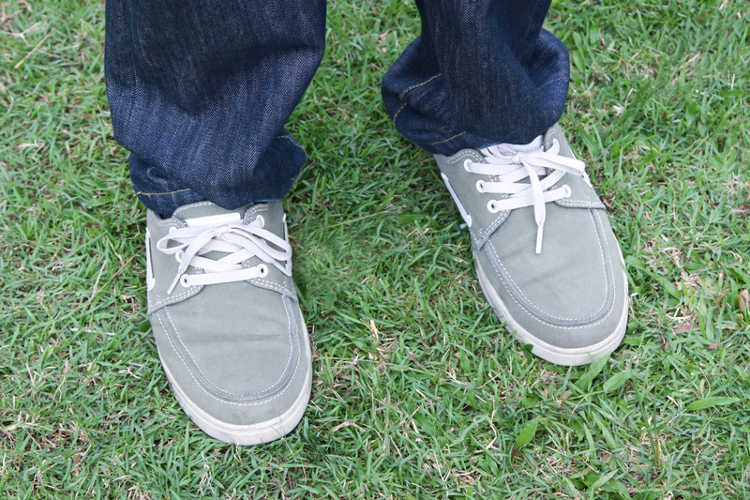
- Protect your feet in a shoe which fits well – the right length (a thumb width longer than your longest toe), width and depth – and has been checked for stones, pins, buttons or anything else which could cause damage
- Keep your feet away from direct heat such as heaters, hot water bottles and electric blankets
- Get medical advice early if you notice any change or problem.
Injuries
If you find an injury including a cut, blister, sore, red area or open crack, immediately:
- Wash and dry the area
- Apply good antiseptic e.g. Betadine
- Cover with a sterile dressing, available from pharmacies.
If any injury does not improve within 24 hours, make an urgent appointment to see your doctor to avoid serious complications.
Seek urgent medical advice for even the mildest foot infection, including any sore, open wound or crack which is oozing, contains pus or any type of discharge or which does not heal within a week.
Podiatry
Podiatry is a field of healthcare devoted to the study and treatment of disorders of the foot, ankle, and the knee, leg and hip, collectively known as the lower extremity.
Some area health services and local councils offer subsidised podiatry services. Phone your local hospital, council or community health centre to find out more.
Rebates
- Medicare may provide a rebate on podiatrists’ fees if you have a chronic condition and are referred by your doctor.
- Department of Veteran Affairs (DVA) gold card holders are entitled to free podiatry services from private podiatrists.
- Private health funds cover some podiatry services.
More information
The Australian Podiatry Association in your state will help you to find a podiatrist with specialised knowledge about diabetes.
A doctor can refer people with diabetes and serious foot problems (such as ulcers or neuropathy) to high risk foot clinics.
Amputation information
Limbs 4 Life promotes information and support to amputees and their families. Toll free number 1300 782 231
