
- General Information
- See Your Pharmacist or Medical Professional
- Treatment Tips
- Treatment Options
- More Information
General Information
Dermatitis is a common skin reaction in which the skin becomes red and itchy, sometimes with swelling and a rash. The skin may be dry and flaky, and blisters may occur. Although dermatitis is not an infectious condition, there is a risk of developing an infection from scratching. ‘Eczema’ is often used to describe an atopic skin reaction, and ‘dermatitis’ is usually used to describe the skin reaction caused by irritants or allergens, but the two words are sometimes used interchangeably.
Atopic dermatitis/eczema
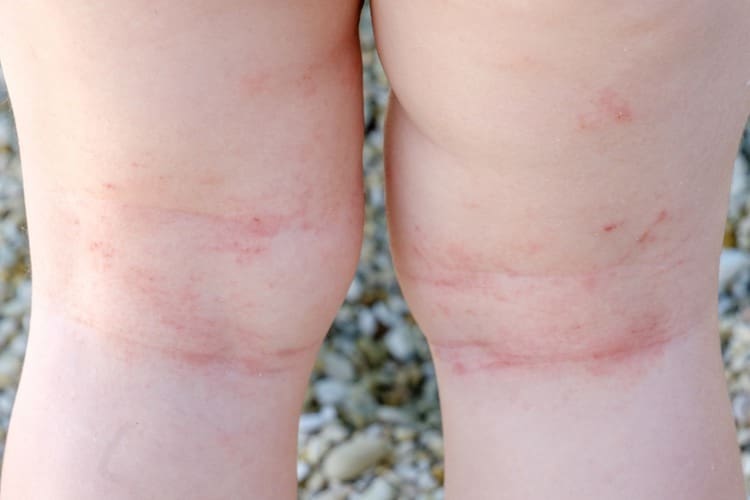
Atopic eczema is common and affects up to 20% of people at some time during their lives. A red, itchy rash commonly occurs in the skin creases, such as behind the elbows or knees. Sometimes the skin may be broken. Although the cause of eczema is not known, there is often a family history of the condition. Many people with eczema also have hayfever and/or asthma. Allergies sometimes play a part, such as reactions to certain foods, dust mites, pollen or animal fur. Eczema may be made worse by irritants such as woollen clothes, perfumes, soaps and chemicals. Stress or changes in the weather can also cause flare-ups (periods of time where the skin becomes more itchy and inflamed than usual). Eczema often follows different patterns depending on the age a person develops it.
Infantile eczema
Infantile eczema usually starts between 4 and 6 months of age. The baby develops a red rash, which may weep. It appears on the cheeks and may spread to the forehead, scalp and the backs of arms and legs. In severe cases it may involve the whole body. This type of eczema usually disappears between the ages of 3 and 5 years.
Childhood eczema
Childhood eczema may follow infantile eczema, or it may start for the first time between the ages of 2 and 4 years. It tends to occur in the creases of the elbows, behind the knees, across the ankles and also may involve the face, ears and neck. Childhood eczema usually disappears by the age of 10, but may continue into adulthood.
Adult eczema
Adults with eczema usually have large areas of itchy, reddened, weeping skin. The elbow creases, wrists, neck, ankles and behind the knees are areas especially affected. The condition tends to improve in middle life and is unusual in elderly people.
Allergic contact dermatitis
When you touch a substance you are allergic to, your body’s immune system reacts and a rash appears at the point of contact, often your hands. Common substances that cause allergies include hair dye, nickel in jewellery, sticking plasters, latex in rubber gloves, plants and cosmetics. This type of dermatitis usually resolves with avoidance of the allergen.
Irritant contact dermatitis
Irritant substances such as soaps, disinfectants, chemicals, detergents and solvents can remove natural oils from your skin. Repeated contact can make skin red, itchy and dry and lead to scaling, cracking and roughness. Hands are the area most commonly affected.
See Your Pharmacist or Medical Professional
- if the person with dermatitis is a child
- if the skin is broken, weeping or painful or is making you very uncomfortable
- if there are signs of infection, such as pus, swelling, redness or warmth
- if there are any vesicles, which look like small blisters filled with clear fluid
- if the area has white patches or silvery scales
- if the skin has become tough and leathery
- if you have tried treating your skin but it has not improved
- if you are not sure what type of skin problem you have
Treatment Tips
Tips for atopic dermatitis/eczema
- use a moisturiser or emollient frequently, especially during flare-ups
- patch-test moisturisers or emollients first before extensive use. Take a small amount of product and dab it onto a small area of skin. Wait for a few hours. If no redness or irritation is seen, the product should be safe to use on your skin
- try to avoid scratching; keep fingernails short
- anti-itch products may be helpful, although anti-histamines are generally ineffective for itch associated with atopic dermatitis
- choose a mild soap or soap substitute
- use lukewarm water in baths or showers
- pat your skin dry, do not rub it; then apply a moisturiser or emollient
- choose cotton clothing and bed linen
- use a laundry detergent formulated for sensitive skin, and avoid fabric softeners
- avoid overheating and sudden changes in temperature, as sweating can often increase the itch
Tips for allergic contact dermatitis
- try to identify the substance causing the allergy and avoid it in future
- your doctor can arrange for you to have allergy tests if necessary
- Tips for irritant contact dermatitis
- avoid contact with substances you know irritate your skin
- use a barrier cream or gloves to protect your hands
- use a mild soap or soap substitute to prevent loss of natural skin oils, since normal soap is very drying on the skin
Treatment Options
Soap substitutes
[GENERAL SALE]
e.g. Aveeno Active Naturals Skin Relief Body Wash, Cetaphil Gentle Cleansing Bar, Cetaphil Gentle Skin Cleanser, DermaVeen Soap-Free Cleansing Bar, DermaVeen Soap Free Wash 5.5 (Cleanser), Hamilton Skin Therapy Gentle Wash, Oilatum Shower Gel, QV Bath Oil, QV Shower Milk, QV Bar, QV Body Wash, QV Gentle Wash, QV Intensive Moisturising Cleanser, Dermeze Soap Free Wash, E45 Emollient Shower Cream, aqueous cream, emulsifying ointment.
- use these whenever you would use a normal soap
- if you use aqueous cream or emulsifying ointment, you can make a liquid soap substitute by putting a small knob of the cream or ointment in a jar, adding hot water and shaking it
Moisturisers or emollients
[GENERAL SALE]
e.g. Alpha Keri Lotion, Aveeno Active Naturals Daily Moisturising Lotion, Aveeno Skin Relief Moisturising Cream, Aveeno Active Naturals Skin Relief Moisturising Lotion, Cetaphil Moisturising Cream, Cetaphil Moisturising Lotion, DermaDrate Cracked Heel Treatment, DermaDrate Dry Skin Treatment, DermaVeen Moisturising Lotion, DermaVeen Moisturising Cream, Eulactol Heel Balm, Eulactol Heel Balm Gold, Hamilton Skin Therapy Nourishing Lotion, Hamilton Skin Therapy Nourishing Cream, Hamilton Skin Therapy Urederm Cream, Hydraderm Moisturising Sorbolene Lotion, Hydraderm Moisturising Sorbolene Cream, Macro Natural Vitamin E Cream (lanolin-free), Neutrogena Norwegian Formula Hand Cream, Oilatum Cream, Q.V. Moisturising Cream (lanolin-free), Q.V. Skin Lotion (lanolin-free), QV Intensive Cream, QV Intensive Body Moisturiser, E45 Dermatological Cream for Dry Skin Conditions, E45 Moisturising Lotion for Dry and Sensitive Skin, Dermeze Treatment Ointment, Dermeze Treatment Cream, Dermeze Moisturising Cream, Dermeze Moisturising Lotion, Rosken Skin Repair; aqueous cream, emulsifying ointment
- moisturisers add moisture to skin and emollients soften it; many products do both
- these products should be applied frequently
- lotions feel lightest on skin and are suitable for use on the scalp and other hairy areas; they can also be used to treat mild dryness on other parts of your body
- creams are the next lightest type of product; they are usually easily absorbed into your skin and are pleasant to use
- ointments feel much heavier on your skin and many people find them too greasy
- ointments can be useful for thicker or more scaly areas of dry skin, and for use overnight, or on feet
Barrier creams
[GENERAL SALE]
e.g. Silic 15, Sudocrem
- barrier creams are useful if you frequently have your hands in water, or if you have contact dermatitis
- they may make your hands slippery
- if applied before getting hands dirty, they make it easier to wash off dirt and stains later
Bath and shower oils
[GENERAL SALE]
e.g. Alpha Keri Bath Oil, Aveeno Daily Moisturising Body Wash, Aveeno Skin Relief Shower Oil, DermaVeen Shower and Bath Oil, Q.V. Bath Oil (non-slip), Q.V. Flare Up Bath Oil, Oilatum Shower Gel, QV Shower Milk, QV Bar, QV Body Wash, QV Gentle Wash, QV Intensive Moisturising Cleanser, E45 Moisturising Shower Cream for Dry Skin, aqueous cream, emulsifying ointment
- these products leave a thin layer of oil on your skin, which helps to hold moisture in
- use no more than the recommended amount
- these products can make the bath or shower slippery
Anti-itch (anti-pruritic) preparations
[GENERAL SALE]
e.g. Eurax (cream), Pinetarsol Cleansing Bar, Pinetarsol Bath Oil, Q.V. Bath Oil
- Pinetarsol Bath Oil can also be used in the shower
- Pinetarsol Bar is a soap substitute that also contains anti-itching ingredients
- if itching is severe, some types of antihistamine tablets or syrups may help; ask your pharmacist for advice
Anti-inflammatory products
[GENERAL SALE]
e.g. ichthammol (Egoderm Cream, Egoderm Ointment [also contains zinc])
- ichthammol reduces inflammation and itching
- can reduce flare-ups associated with eczema
Topical steroids
Mild steroids
[PHARMACY ONLY]
e.g. hydrocortisone 0.5% (DermAid Cream 0.5%, DermAid Soft Cream 0.5%)
[PHARMACIST ONLY]
e.g. hydrocortisone 1% products (DermAid Cream 1%, DermAid Soft Cream 1%, Sigmacort 1%, Cortic-DS, Hysoderm)
Moderate potency steroids
[PHARMACIST ONLY]
e.g. clobetasone butyrate 0.05% w/w (Eumovate, Kloxema)
- steroid creams treat inflammation and reduce itching
- do not apply to broken or infected skin
- do not use on your face except on medical advice.
- avoid contact with the eyes
- they can cause permanent thinning of the skin if overused; apply sparingly and do not use more often than recommended
- can use with moisturisers and emollients; wait several minutes between applications
- do not use for longer than one week or in children under 2 years old, except on medical advice
More Information
Availability of medicines
- GENERAL SALE available through pharmacies and possibly other retail outlets.
- PHARMACY ONLY available for sale through pharmacies only.
- PHARMACIST ONLY may only be sold by a pharmacist.
