
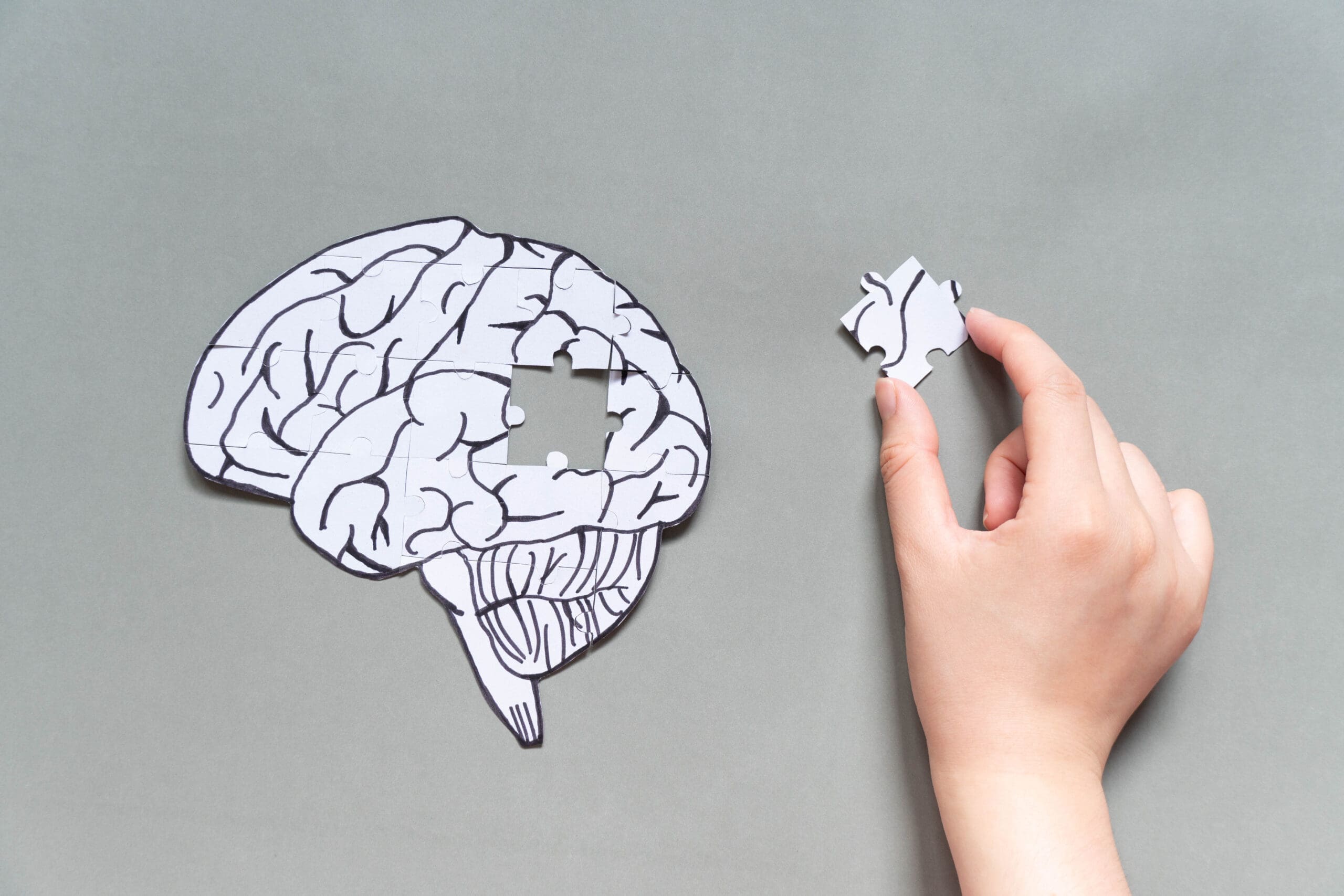
Like the rest of the body, the brain changes as we age. Scientists are starting to shed light on some of the processes behind these changes and to discover the differences between normal ageing and dementia.
What happens to our brains in normal ageing?
Our brains contain billions of nerve cells (neurones) grouped into specific regions that control all our mental and physical processes.
Scientists once thought that we were doomed to lose many of these neurones as we age. They also believed that the complex branching of these neurones was inevitably damaged as we grow older. Thankfully, better ways of looking at the brain’s structure have shown this to be inaccurate.
The brain does alter with age, but in most people these changes are more subtle than was once thought. The changes include:
- shrinkage of some neurones;
- loss of plasticity (the ability to rearrange connections between neurones); and
- damage by free radicals (molecules that react easily with other molecules, thereby damaging cells in the body).
Certain areas of the brain are more vulnerable to these changes than others. The regions most at risk are those involved in memory, learning and complex mental activities such as planning.
How do these changes affect us?
People differ in how much they are affected as they age. Many older people notice only a small reduction in their ability to learn new skills, remember things, plan and make decisions. They may take a little longer to complete complex tasks but do them just as well as when they were younger. Other people have more difficulty with these tasks as they age. On the other hand, as people age, they often improve their vocabulary and other forms of verbal knowledge.
What’s the difference between normal ageing and dementia?
Dementia is the name given to a group of conditions that cause severe memory loss, personality changes and difficulties with everyday life. Alzheimer’s disease is the most common type of dementia. The second most common type is vascular dementia (multi-infarct dementia), in which blood flow to the brain is disrupted.
Someone with dementia will experience more than the minor memory lapses considered part of the normal ageing process.
Early signs of dementia may include an impaired ability to learn new things and remember new information. Impairments in mental functioning can progress over months to years, leading to problems with thinking, judgement and the ability to perform complex and everyday tasks (such as driving or cooking). As well as this, a person’s personality and behaviour can change.
Mild cognitive impairment (MCI) is a condition that is associated with an increased risk of developing dementia. People with MCI have greater memory loss than expected for their age but do not have other signs of dementia and can function well in their daily lives.
If you or someone you know is experiencing these symptoms, it is important to seek medical advice. Your doctor will assess the situation and seek to rule out conditions that can cause similar symptoms, such as depression, nutritional deficiency and reactions to certain medicines. If dementia is diagnosed, your doctor will be able to advise you on the best treatment.
