
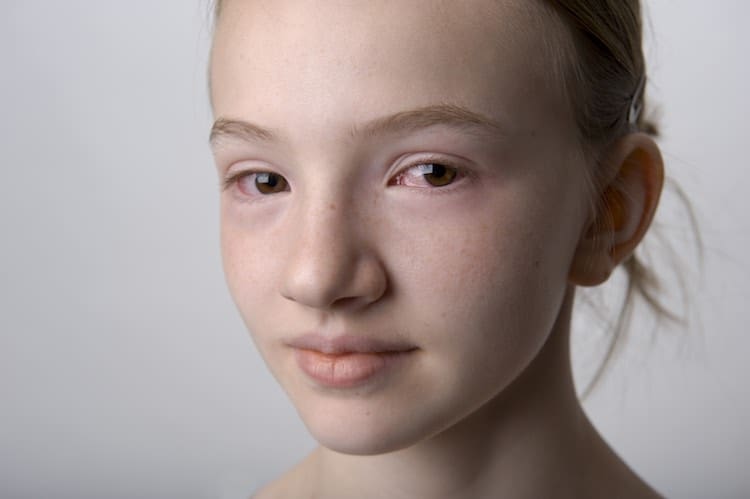
Conjunctivitis is an inflammation of the conjunctiva, which is the thin, clear tissue that lines the inner eyelids and covers the white part of the eyeball. It is a common condition and may be very contagious. It may affect one or both eyes.
Symptoms of conjunctivitis
Signs and symptoms of conjunctivitis include:
- the whites of your eyes appear reddish and pink, due to the small blood vessels becoming inflamed;
- sore eyes;
- watery eyes (known as tearing);
- itchy eyes;
- burning feeling in the eyes;
- yellow or green discharge (pus) which makes your lids sticky. You may wake up with your eyelids glued together. These secretions are infectious and need to be handled with care to prevent any spread of the infection;
- crusting of the eyelashes when you wake up in the morning;
- sensitivity to bright light.
What causes conjunctivitis?
Causes of conjunctivitis include:
- viral or bacterial infections;
- allergies to substances such as pollen and spores;
- foreign object in the eye;
- chemicals in the eye;
- wearing contact lenses, especially overnight;
- in newborn babies, an infection from bacteria in the mother’s birth canal, which can be serious and cause sight problems if it isn’t treated;
- a partially blocked tear duct; and
- lid disease, such as blepharitis.
Viral conjunctivitis
Conjunctivitis may be caused by many different viruses, some of which are the viruses which cause colds and flu and sore throats. Viral conjunctivitis often begins in one eye and then infects the other eye within a few days. It usually causes a watery discharge and is highly infectious. Viral conjunctivitis usually clears up of its own accord within 1-2 weeks, however, it can last longer and cause permanent damage. There is often no treatment for viral conjunctivitis.
The Herpes virus can also cause conjunctivitis.
Bacterial conjunctivitis
This also often begins in one eye and infects the other eye. Bacterial conjunctivitis is usually mild and resolves within 2-5 days. Antibiotic ointments may be prescribed. It is very contagious and is more common in children than adults. Discharge is usually thick and yellowish-white. Sometimes there is sensitivity to bright light (photophobia).
Allergic conjunctivitis
Allergic conjunctivitis can be caused by a reaction to pollen, mould, dust mites, animal or bird dander, and dust, detergents, perfumes and cosmetics and eye drops. It usually affects both eyes. Depending on the cause, it may be worse at certain times of the seasons, such as when pollen counts or airborne mould spores are high. It is more common in people who have other allergic conditions, such as asthma or eczema or hay fever. Symptoms can be mild to moderate, or even severe. As well as the eye symptoms of itching and watering, you may have sneezing and a runny nose. Eye drops or oral (tablet) antihistamines may be prescribed.
Treating conjunctivitis
Self-care
Firstly, it is important to get the correct diagnosis from your medical practitioner. Treatment depends very much on the cause, and the following self-care advice for conjunctivitis is general.
- Bathe your eyes. Before touching them, wash your hands with soap and warm water. Dry them with a clean (or disposable) towel. Clean away any pus, crust or discharge with a disposable cotton swab and a weak salt water solution (1 teaspoon of salt in 500 mL of cooled, boiled water).
- Wipe your eye once, from the end nearest your nose to the outside, then throw the swab away. Continue until your eye is clean. Wash and dry your hands again. Cotton wool balls are not ideal because they can unravel, leaving cotton in your eye. Gauze pads from your chemist or disposable eye makeup removal pads are best to use.
- Don’t use eye makeup until the swelling and redness settle.
- Avoid allergic triggers (for allergic conjunctivitis).
- If pollen is one of your allergic triggers, wash your clothes and bedding frequently – and try to dry them inside on high pollen days. Shower or bathe before you go to bed. Close the windows on high-pollen days and use an indoor air purifier.
- Cold compress (for allergic conjunctivitis). A clean lint-free cloth, soaked in cold water and applied to your closed eyelids a few times a day may soothe your eyes. But, if only one eye is affected, make sure you don’t use the same cloth on both eyes, in case you transfer infection.
Medicines
Your doctor may prescribe various medications to help your conjunctivitis, depending on the cause, including:
- eye drops;
- eye ointment;
- anti-histamines.
Use eye drops or ointments prescribed or recommended by your doctor. Use the correct technique for applying the eye drops or ointment.
- Wash your hands before applying.
- Gently pull down the lower eyelid to make a pocket.
- Tilt your head back to look at the ceiling.
- Drop the right amount of liquid into the outer third of the pocket, or run ointment along the inside.
- Try not to let the opening of the bottle or ointment tube touch your eye or your fingers.
- Wash your hands afterwards.
Preventing the spread of conjunctivitis
Bacterial and viral conjunctivitis, including herpes, are contagious and can be spread from person to person.
- Try not to touch or rub your eye: you can spread infection to your other eye or to someone else. If you do touch it, wash your hands well.
- Wash your hands often with soap and warm water.
- Wash any discharge from your eye a few times a day, using a clean cotton wool makeup pad. Throw it away after use.
- Wash your hands after applying any eye drops or ointment.
- Don’t share flannels, towels, pillows or bed linen. Wash them in hot water and detergent.
- Clean eyeglasses and eyewear.
- Don’t send children or babies with conjunctivitis to preschool if the eye is weeping. To prevent reinfection, wash their hands often.
- Don’t share makeup or makeup brushes.
- Don’t share contact lenses.
- Avoid swimming pools.
How can my doctor help?
Your doctor will make a diagnosis and treat you accordingly. Your doctor will check that you do not have a foreign object in your eye.
For bacterial infection you may be given antibiotic ointment or drops. Other types of eye drops may soothe viral infections and prevent further infection. If the conjunctivitis is caused by an allergy, you may need anti-allergy medicine or drops.
