
What is whooping cough?
Whooping cough (pertussis) is a highly contagious bacterial infection that can affect people of all ages, but is most severe in babies. The disease causes coughing attacks that can end in a high-pitched whooping sound.
Whooping cough epidemics occur in Australia every 3 to 4 years. Antibiotics may help reduce whooping cough symptoms if given early enough, and they can help stop the spread of the disease. But in some people the cough persists even after antibiotic treatment. Vaccination is the best way to protect yourself and your family from whooping cough.
What are the symptoms of whooping cough?
The symptoms of whooping cough develop about 7 to 20 days after catching the infection. Whooping cough symptoms can be divided into 3 stages – see below.
The first (catarrhal) stage
The first stage of whooping cough resembles the common cold, with a mild occasional cough, loss of appetite, runny nose and sneezing that lasts a week or 2. A mild fever is possible but not common. Whooping cough is highly contagious at this stage, but difficult to diagnose.
The second (paroxysmal) stage
The second stage is known as the paroxysmal stage due to the coughing spells. The cough commonly persists for up to 3 months. However, in adolescents and adults, or children who have been vaccinated, the disease is often milder and people may even not show any symptoms, or they may have mild or persistent cough.
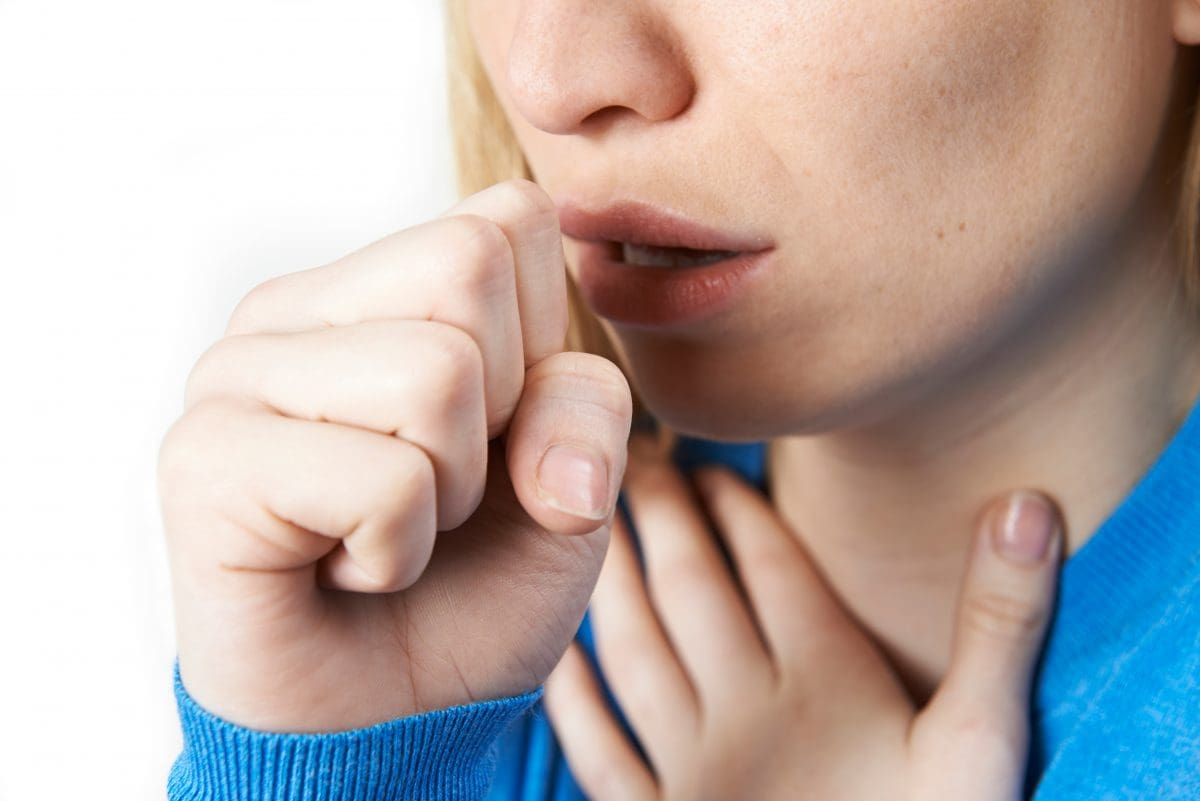
Coughing fits are often violent and the cough may finish with a loud ‘whoop’ sound when you breathe in. However, many people (especially older children and adults) do not make the typical ‘whoop’ sound.
Vomiting after a bout of coughing is common, and the persistent coughing spells can cause you to stop breathing temporarily. Children may turn red or blue during the coughing fits. Babies with whooping cough may not have a noticeable cough – the only signs of illness may be trouble feeding or pauses in their breathing.
If you or your child is having trouble breathing or turns blue, call 000 for an ambulance.
The third (convalescent) stage
The third stage of whooping cough is when the coughing spells starts to subside. Sometimes, coughing can start again months later if you develop another upper respiratory tract infection.
What causes whooping cough and how does it spread?
Whooping cough is caused by the bacterium Bordetella pertussis, although sometimes other bacteria can cause a pertussis-like syndrome.
Whooping cough is very contagious. The bacteria can be easily passed from person to person. It is mainly spread through coughing and sneezing, which causes infected particles to travel through the air. These infectious airborne droplets can be breathed in by others. They can also contaminate surfaces such as door knobs, toys or eating utensils, and infect others when they touch these surfaces and then touch their eyes, mouth or nose.
If your child has never had the disease and has not been vaccinated against it, they are likely to get whooping cough if they come into contact with the bacteria. Even people who have had whooping cough can get the infection again, because natural immunity to the infection wanes over time.
Getting vaccinated and having regular booster doses is the best way to protect yourself against whooping cough.
Complications
If your child gets whooping cough and they have not been vaccinated, they are more likely to develop complications such as pneumonia. A severe case of whooping cough or pneumonia in a young child could result in seizures, brain damage or death.
Whooping cough is also dangerous in older people. While it tends to be less severe in adolescents and adults, complications due to persistent coughing are common. They include sleep disturbance, urinary incontinence, fractured ribs and fainting.
Tests and diagnosis
Your doctor may suspect infection with whooping cough based on your symptoms, or from witnessing the coughing. Swabs from the nose or throat or blood tests are usually used to confirm the diagnosis.
Nose and throat swabs that detect the pertussis bacteria only help with diagnosis if done in the early stages of the disease. Throat swabs can usually detect pertussis germs for 3 weeks from the onset of illness. If your doctor suspects whooping cough because of the classic cough symptoms, they may take a swab to make sure of the diagnosis.
Blood tests can also be done for pertussis, but they are not always reliable or easy to interpret. Blood tests may become positive 2 weeks after the onset of illness.
Treatment
Most cases of whooping cough can be treated at home, but severe cases may need treatment in hospital. Babies younger than 6 months of age with whooping cough usually need to be hospitalised.
Antibiotics (such as azithromycin, clarithromycin or trimethoprim/sulfamethoxazole) will be prescribed if it is less than 3 weeks since the onset of illness.
Antibiotics are mainly given to help reduce the risk of passing the infection on to others. People are infectious for 3 weeks after the onset of cough, or until they have completed 5 days of appropriate antibiotics. So taking antibiotics can reduce the period that you need to stay off work or school.
Antibiotics may also reduce the severity of symptoms if given in the catarrhal or early paroxysmal phase.
People who have been in close contact with someone with whooping cough, such as members of the same household, are at increased risk of developing the infection. Antibiotics may be given to close contacts to help prevent infection. This is especially important if the close contacts are babies aged under 6 months, women in the last month of pregnancy or anyone in close contact with babies such as childcare workers.
Self-care
It’s important that you rest and drink plenty of fluids – this is especially important for children. Small, frequent meals may help prevent vomiting after bouts of coughing.
Make sure you avoid anything that may trigger coughing, including smoke from cigarettes or fireplaces.
Preventing whooping cough
The best way of preventing or reducing the severity of whooping cough is to be immunised. All whooping cough vaccines available in Australia are combination vaccines that also protect against other illnesses. There are very few medical reasons why someone should not have a pertussis vaccination.
Vaccinations for children and teenagers
In Australia, vaccination against whooping cough is recommended at age 2, 4, and 6 months as part of the National Immunisation Program Schedule. The 2-month dose can be given as early as 6 weeks of age.
Two booster doses are recommended – one at 18 months and one at age 4 years. An additional booster dose is recommended for adolescents between 11 and 13 years. This booster can be given as part of a school-based vaccination programme.
Vaccinations for adults
Because the protection from the vaccine wears off over time, booster doses are also recommended for adults who want to avoid getting whooping cough. Vaccination is especially important for anyone coming into close contact with babies. That’s because babies under 6 months of age (who have the highest risk of severe whooping cough) are too young to be fully immunised themselves.
To protect very young babies, a single booster dose of pertussis vaccine is recommended for pregnant women. The best time for vaccination is between 20 and 32 weeks. This is recommended with each pregnancy, even if 2 pregnancies are close together. Vaccination at this time means that the baby will be born with some of the mother’s antibodies to pertussis (passive immunity) and so have some protection during the most vulnerable newborn stage.
Vaccination is also recommended for all carers of young children, including fathers and grandparents. Mothers not vaccinated during pregnancy should be vaccinated as soon as possible after birth. Anyone in close contact with infants should get a booster every 10 years.
There is a higher risk of severe symptoms and complications in older people who get whooping cough. Vaccination is recommended for all adults at ages 50 and 65 years.
Pertussis vaccine side effects
Side effects may include mild pain, swelling and redness at the injection site. Uncommon and rare side effects can include fever, significant swelling of the limb where the injection was given and febrile convulsions in children. Overall, the risk of not being vaccinated (and more vulnerable to infection) far outweighs the risk of side effects for most people.
Stopping the spread of pertussis
If you have whooping cough, stay at home to prevent the spread of the disease. People with whooping cough need to stay away from work, school or childcare facilities until they have been on antibiotics for 5 days or they have had the cough for more than 3 weeks. Your doctor will let you know when you are no longer contagious and can return to your usual activities.
While you are sick, practice good cough etiquette and wash your hands frequently.
