
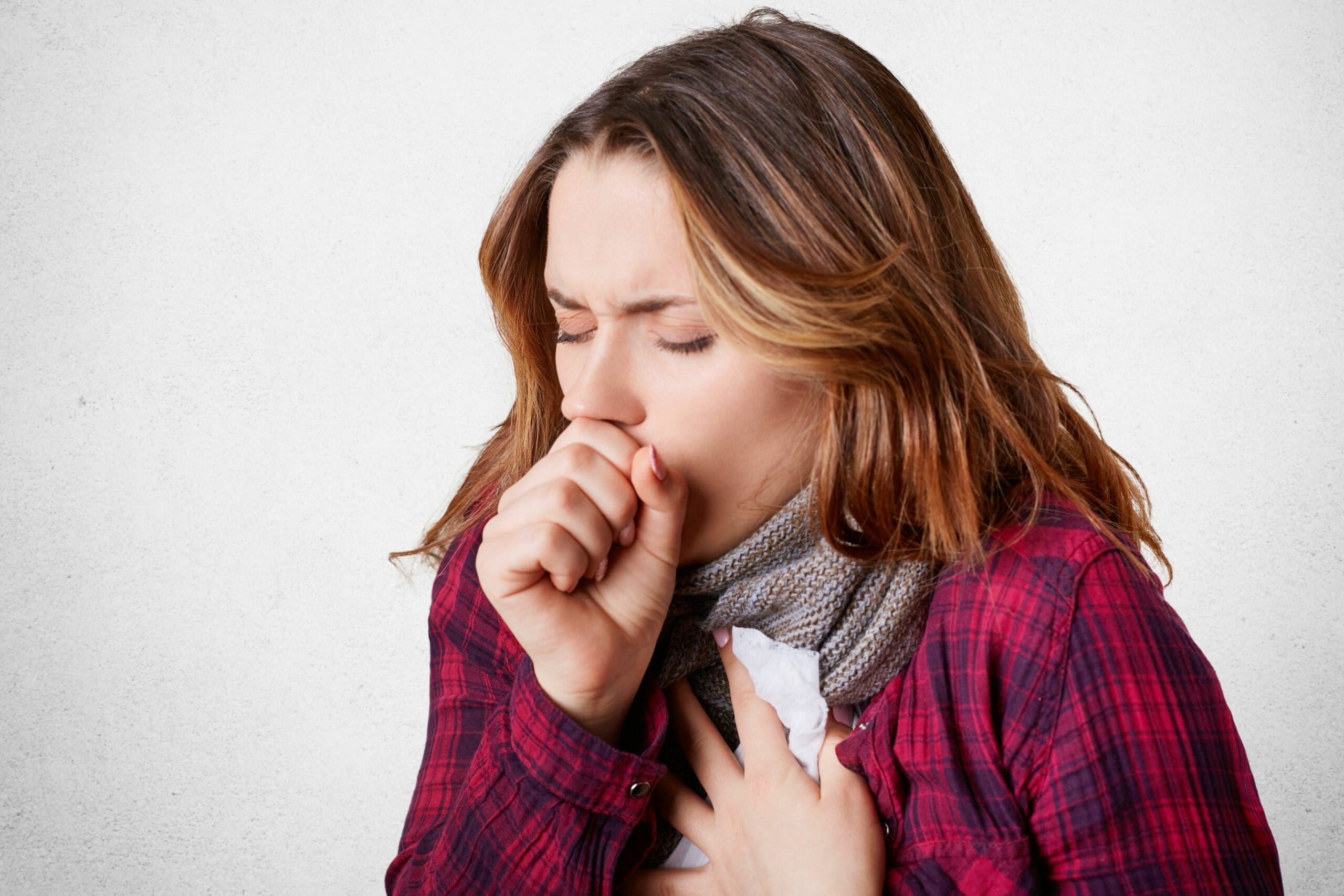
What is pneumonia?
Pneumonia is an infection or inflammation of the air sacs (alveoli) in the lungs. Fluid and/or pus get(s) into the alveoli, blocking them and preventing oxygen from reaching the blood. It is a common disease, particularly in winter and spring due to the increased circulation of bacterial and viral respiratory infections that often occurs at those times of year.
Pneumonia can be a serious illness, particularly for babies and young children, people older than 65 years of age, and people with pre-existing health problems.
Symptoms
Symptoms of pneumonia depend on the severity of the disease (which is related to the cause, your age and your general health).
Common symptoms include the following.
- Cough, which may be dry and irritating or a wet cough producing phlegm (sputum/mucus). Cough symptoms can vary according to the type of pneumonia and change over the course of the illness – when you first get sick with pneumonia the cough may be dry, later on it may become increasingly productive.
- Difficulty breathing or breathlessness. Feeling short of breath or breathless is a common symptom of pneumonia.
- Chest pain that is sharp and gets worse when coughing or breathing deeply.
- Fever and/or chills and sweating. This is common, and the fever is usually higher than 38 degrees Celsius. Older people with pneumonia are less likely to have a fever than younger adults.
- Fatigue or extreme tiredness.
- Muscle and joint aches and pains can also be symptoms of pneumonia.
- Loss of appetite, nausea, vomiting or diarrhoea can affect some people and can lead to dehydration if you don’t drink enough fluids.
- Mental confusion is another symptom of pneumonia that is usually only seen in older people.
What causes pneumonia?
There are many different causes of pneumonia, some more serious than others. The exact cause can’t always be identified, even after testing.
In most cases, pneumonia happens after a germ is inhaled into the lungs. However, sometimes an infection gets to the lungs by other means, such as via the bloodstream.
Common infectious causes include the following.
- Bacteria such as Streptococcus pneumoniae (so-called pneumococcal pneumonia is the most common type of bacterial pneumonia).
- Viruses such as the influenza virus that causes the flu (the most common cause of viral pneumonia in adults).
- Atypical bacteria such as Mycoplasma pneumoniae and Legionella pneumophila (which causes Legionnaires’ disease).
- Fungi – fungal pneumonia often affects people with weakened immune systems.
Pneumonia can also develop if someone accidentally breathes food, drink or vomit into their lungs. This is known as aspiration pneumonia and usually affects people who have problems coughing or swallowing (for example, after having a stroke). It can also happen if you inhale smoke, chemicals or dust into the lungs.
Types of pneumonia
Pneumonia is usually classified according to the type of germ that caused it (for example, bacterial or viral pneumonia). It can also be classified according to where you caught the infection (for example, in hospital or in the community) or how you caught it (e.g. aspiration pneumonia).
The symptoms and severity of pneumonia vary according to the type.
Bacterial pneumonia
In bacterial pneumonia, symptoms can be severe.
Symptoms may appear suddenly or gradually, and can include:
- a rapid increase in breathing and pulse rate;
- fever and chills;
- productive cough with green or yellow mucus, or mucus which is red or brown from blood;
- chest pain;
- tiredness;
- mental confusion; and
- slightly blue lips and nail beds.
Viral pneumonia
Many cases of viral pneumonia are not serious and only last a short time. But the influenza (flu) virus can cause serious pneumonia, especially in older people, pregnant women and people with other health problems.
Symptoms of viral pneumonia can be similar to symptoms of flu, and include:
- headache;
- fever;
- dry cough;
- shortness of breath;
- tiredness; and
- muscle pains.
In some cases, viral pneumonia may be complicated by a bacterial infection.
Mycoplasma pneumonia
This is a type of atypical pneumonia, and most often affects people younger than 40 years of age. This type of pneumonia is usually mild but can be severe.
Common symptoms include:
- headache;
- low-grade fever;
- a dry cough, which may become productive;
- fatigue, which can last for several weeks after the disease has subsided;
- nausea and vomiting;
- joint pain and muscle aches; and
- in some people, a skin rash.
Who is at risk?
Some adults are more at risk of getting pneumonia than others. At-risk groups include:
- people older than 65 years;
- heavy drinkers;
- smokers;
- people who have chronic (ongoing) conditions such as chronic obstructive pulmonary disease (COPD) and diabetes;
- people taking acid-reducing medicines for conditions such as heartburn; and
- people with weakened immune systems.
Complications
Pneumonia can lead to some serious complications. Some types of pneumonia are more likely to cause complications than others.
Complications can include:
- Pleurisy (inflammation of the lining of the lungs – the pleura), which usually causes sharp chest pain.
- Pleural effusion (a collection of fluid between the layers of pleura – the membranes that line the lungs), which causes increasing breathlessness.
- Bacteraemia or septicaemia (infection of the bloodstream), which can cause increasing fevers, weakness and feeling extremely unwell. This complication is very serious and needs urgent treatment.
If you develop complications, you will likely need hospital treatment.
Diagnosis and tests
You should see your GP (general practitioner) if you are unwell with any of the pneumonia symptoms described above. Your doctor will want to ask about your symptoms and how long you have had them. They will also ask about your general health and whether you have recently been unwell with a cold or the flu.
A physical examination will help your doctor diagnose pneumonia. Your doctor will take your temperature with a thermometer, check how quickly you are breathing and listen to your chest with a stethoscope. When examining your chest, your doctor may notice reduced breath sounds on one side of the chest or cracking sounds, which can be signs of pneumonia.
If your doctor suspects you have pneumonia based on your symptoms and physical examination, the following tests may be recommended.
- A chest X-ray can show which areas of the lungs are affected by pneumonia and sometimes gives a clue to the cause.
- Sometimes a CT scan of the chest is required, in addition to plain chest X-rays.
- A sputum sample (sample of mucus that you cough up) can be sent to a laboratory for testing to work out the cause of the pneumonia.
- Blood and urine tests may also be recommended to try to determine the organism that is causing your pneumonia. Blood tests can also give an idea as to how your body is responding to the infection.
- Sometimes, testing of nose and throat swabs may be done to help determine the cause of pneumonia.
- If you are being assessed in a hospital, the amount of oxygen in your blood will be measured to see if you need supplemental oxygen therapy.
Early diagnosis and treatment are important for pneumonia. If you think you have pneumonia, see your doctor immediately. For people with chest pain, breathlessness, or confusion, call 000 for an ambulance or go to the nearest hospital emergency department.
Treatment
Treatment will depend on the type and severity of your pneumonia, as well as your health in general. If you are not too unwell, you may be able to be treated at home. People with more severe pneumonia will need hospital treatment.
If you are being treated at home, it’s very important you take all medicines exactly according to your doctor’s instructions. You should see your doctor if you are not getting better after 2 days of treatment.
Antibiotics or antivirals
Antibiotics are used to treat bacterial pneumonia. If your pneumonia is severe you may need intravenous antibiotics (which are given by infusion into a vein) in hospital. Antiviral medicines may be recommended for viral pneumonia.
Pain and fever relief
Medicines such as paracetamol or ibuprofen can be given to treat pain and fever. Painkillers are often needed to help relieve chest pain so that you can cough and bring up secretions from your chest.
Oxygen
Oxygen therapy may be needed if you have a low concentration of oxygen in your blood. People needing oxygen therapy need to be treated in hospital.
Self-care
It’s important to get enough rest and drink plenty of fluids to help you get better. People who are very unwell with pneumonia may need to have fluids given through a vein (via a drip) in hospital. Not smoking is also important for recovery.
Recovery
Healthy, young people usually recover from pneumonia within a week or 2. However, the cough can persist for several weeks and many people feel more tired than usual for weeks or even months after having pneumonia.
Older people may feel very weak for some time while recovering and might need an extended period of rest before they feel fully recovered.
Can pneumonia be prevented?
Vaccines are available that can protect against infection with several common causes of pneumonia.
Pneumococcal vaccination
There are 2 vaccines available in Australia that can help prevent pneumonia due to the pneumococcus bacterium (pneumococcal pneumonia). These are 13vPCV (Prevenar 13) and 23vPPV (Pneumovax 23). The vaccine(s) recommended depend on your age and risk.
Vaccination is usually recommended for the following groups – and is free on the National Immunisation Program for these groups:
- all Australian children – to prevent pneumonia and other pneumococcal infections in infancy and childhood;
- people with medical conditions who would be at high risk from pneumococcal disease;
- all Aboriginal and Torres Strait Islander people aged 50 years or older;
- non-indigenous Australians aged 70 or older.
Flu vaccination
Pneumonia can be a complication of the flu, especially in people who have weakened immune systems or who are not in optimal health. Older people, pregnant women and young children also have a higher risk of severe illness with influenza infection.
Having a flu vaccination every year before or at the start of winter is a sensible precaution for anyone wanting to avoid influenza and its complications.
Other vaccines
Other vaccine preventable infections that can result in pneumonia include:
- Haemophilus influenzae type b (Hib);
- pertussis (whooping cough);
- varicella (chickenpox); and
- measles.
Vaccination against these illnesses is recommended as part of routine childhood vaccinations in Australia under the National Immunisation Program Schedule.
