
What is pleurisy?
Pleurisy is inflammation of the pleura — the thin, 2-layer protective membrane that covers the lungs and also lines the inside of the chest wall.
The 2 layers of pleura are normally lubricated by a thin layer of fluid between them, which helps them slide easily over each other when you breathe in and out. When you have pleurisy, the pleural membranes can become rough and the plural fluid sticky, resulting in pain when the 2 membranes rub against each other.
Pleurisy can be described as wet, in which abnormal amounts of fluid accumulate in the space between the 2 pleural layers, or dry, where the inflammation hasn’t formed extra fluid.
What are the symptoms of pleurisy?
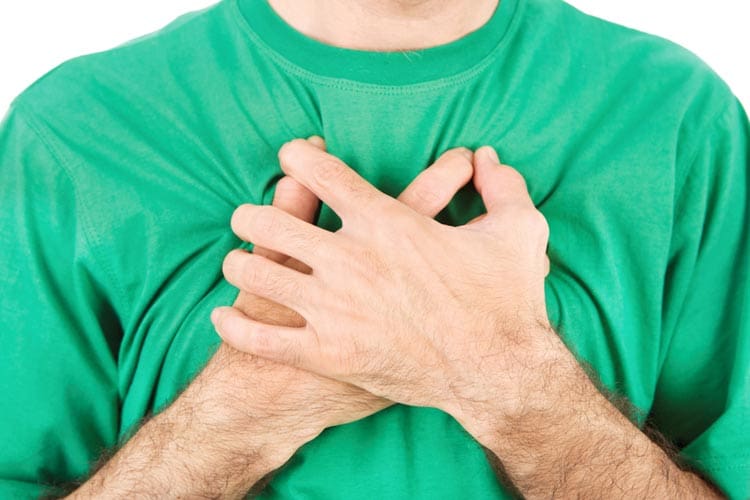
The most common symptom is chest pain that starts suddenly. Whenever the chest wall moves (such as with breathing in and out, coughing or sneezing) the pleura moves and pain is felt in the outer layer of the pleura. (The inner layer of the pleura next to the lungs has no pain nerves.)
The pain is often described as a stabbing sensation, and may range from moderate to very severe. The pain is usually made worse by breathing deeply or coughing. The pain is usually felt in the chest, where the inflammation is, but it can also be felt as referred pain in the shoulder or neck.
Other symptoms of pleurisy may include:
- rapid, shallow breathing because of the pain;
- cough;
- chills and fever; and
- respiratory distress due to large amounts of fluid in the pleural space (known as pleural effusion) making it difficult for the lungs to expand.
What causes pleurisy?
Pleurisy may result from a wide variety of conditions including:
- viral or bacterial pneumonia;
- blood clots in the lung (pulmonary embolism);
- reactions to certain medicines or cancer treatments;
- cancer;
- irritants such as asbestos;
- injury to the lung, for example from a fractured rib; and
- connective tissue diseases, such as systemic lupus erythematosus.
Diagnosis
Your doctor will ask about your symptoms and perform a physical examination.
As part of the physical examination, your doctor will use a stethoscope to listen to your chest. Your doctor may hear what is known as a pleural rub — a squeaky rubbing sound in the chest. This is a classic sign of pleurisy.
Tests
The following tests may be used to help diagnose the cause of pleurisy.
- Chest X-rays can’t show pleurisy, but they can show fluid collecting between the pleural layers. Chest X-rays can also sometimes identify the cause of pleurisy, such as lung disease, a tumour, or rib fracture.
- Chest CT scan gives more detailed images and can help in the diagnosis of conditions such as blood clots in the lungs.
- Thoracocentesis: If there is fluid build-up in the pleural space (pleural effusion), your doctor may drain the fluid and send it to be tested to help determine the cause of the pleurisy.
- Other tests to help diagnose infectious causes (viruses or bacteria) include testing on sputum samples or throat swabs, and blood tests.
Treatments
The treatment for pleurisy will depend on the cause, for example bacterial infections are treated with antibiotics.
In additional to treating the cause of the pleurisy, painkillers and anti-inflammatories are usually given to relieve the chest pain.
If you have excess fluid in the pleural space, a doctor may remove some of this by drawing it out with a fine needle.
Self-help
- If you have been prescribed antibiotics, make sure you complete the entire course. Talk to your doctor if you feel the medicine isn’t helping.
- The pain can make you breathe more shallowly than usual so remember to take 10 deep breaths every hour, even if it hurts a bit.
- Try lying down on the side where you feel the pain – some people report that this can provide pain relief.
- Make sure you get plenty of rest.
- Give up smoking, if you smoke.
If your chest pain becomes worse, you have a continuing high temperature, you become short of breath or you start coughing up yellow, green or bloody sputum, see a doctor immediately.
