
What is Legionnaires’ disease?
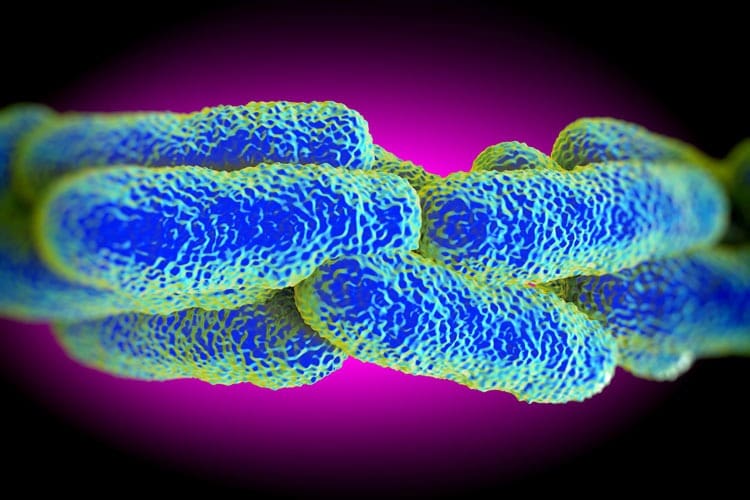
Legionnaires’ disease is a form of pneumonia caused by Legionella bacteria. There are approximately 40 different species of Legionella, but most infections in humans are caused by Legionella pneumophila and Legionella longbeachae species. The disease is named after a 1976 American Legion Convention in Philadelphia at which a number of attendees became ill with pneumonia.
Legionella bacteria grow in water and are widespread in the environment, being found in lakes, ponds, creeks and other bodies of water.
Legionella can also thrive in man-made systems such as cooling towers associated with air conditioning and spas.
Australia’s largest Legionella outbreak occurred in April 2000 at the Melbourne Aquarium where 125 cases of Legionnaires’ disease were diagnosed and 4 people died. This outbreak was due to Legionella pneumophila, which was found to be contaminating the Aquarium’s cooling towers.
Legionella longbeachae is fairly widespread in potting mixes, compost and mulches in Australia and has caused several deaths.
How can you catch Legionnaires’ disease?
Legionnaires’ disease is caught by breathing in fine droplets of water (aerosols) that contain the bacteria. The disease is not passed from person to person, nor through drinking or washing in water that is contaminated with low numbers of the bacteria.
How can Legionnaires’ disease be avoided?
In Australia there are regulations in place to minimise the growth of Legionella bacteria in public water systems, such as cooling towers. There are also guidelines in place for maintenance of public spas in some States.
Gardeners and other people working with composts or mulches should follow manufacturer’s warnings, present on potting, soil and compost mix labels in order to try and reduce exposure to potting mix dust. This includes:.
- Avoid breathing in aerosols and dust from the mix or your hands, including when opening the bag.
- Wear a mask.
- Wear gardening gloves.
- Moisten the mix to prevent it from creating dust.
- Wash your hands after handling potting mix or soil, and before eating, drinking or smoking.
Risk factors for Legionnaires’ disease
The disease doesn’t affect everyone who comes into contact with the bacteria, in fact most people who are exposed to Legionella bacteria will not become infected. However, those most at risk are people whose immune systems are compromised in some way. At higher risk are:
- people aged 65 years and over;
- smokers;
- people with diabetes;
- people with chronic lung diseases; or
- people with a medical condition that impairs the body’s defence mechanism such as cancer, or who are taking drugs that suppress the immune system, for example if you have had a transplant.
- heavy drinkers;
Legionnaires’ disease symptoms
For several days during the incubation period of the disease, you may feel tired and weak. The incubation period can be between 2 to 14 days after being exposed to the bacteria. Symptoms are usually similar to those of a severe flu and may include:
- high fever;
- shortness of breath;
- headache – often severe;
- dry cough;
- diarrhoea;
- loss of appetite;
- vomiting;
- muscle aches; and
- confusion.
Diagnosis of Legionnaires’ disease
Legionnaires’ disease is diagnosed through specialised laboratory tests on urine, sputum or blood samples.
Legionnaires’ disease treatment
Once diagnosed, there are antibiotics that are highly effective against the bacteria, and the earlier treatment is begun, the better the outcome.
Unfortunately, at present there is no vaccine available for the prevention of Legionnaires’ disease.
