
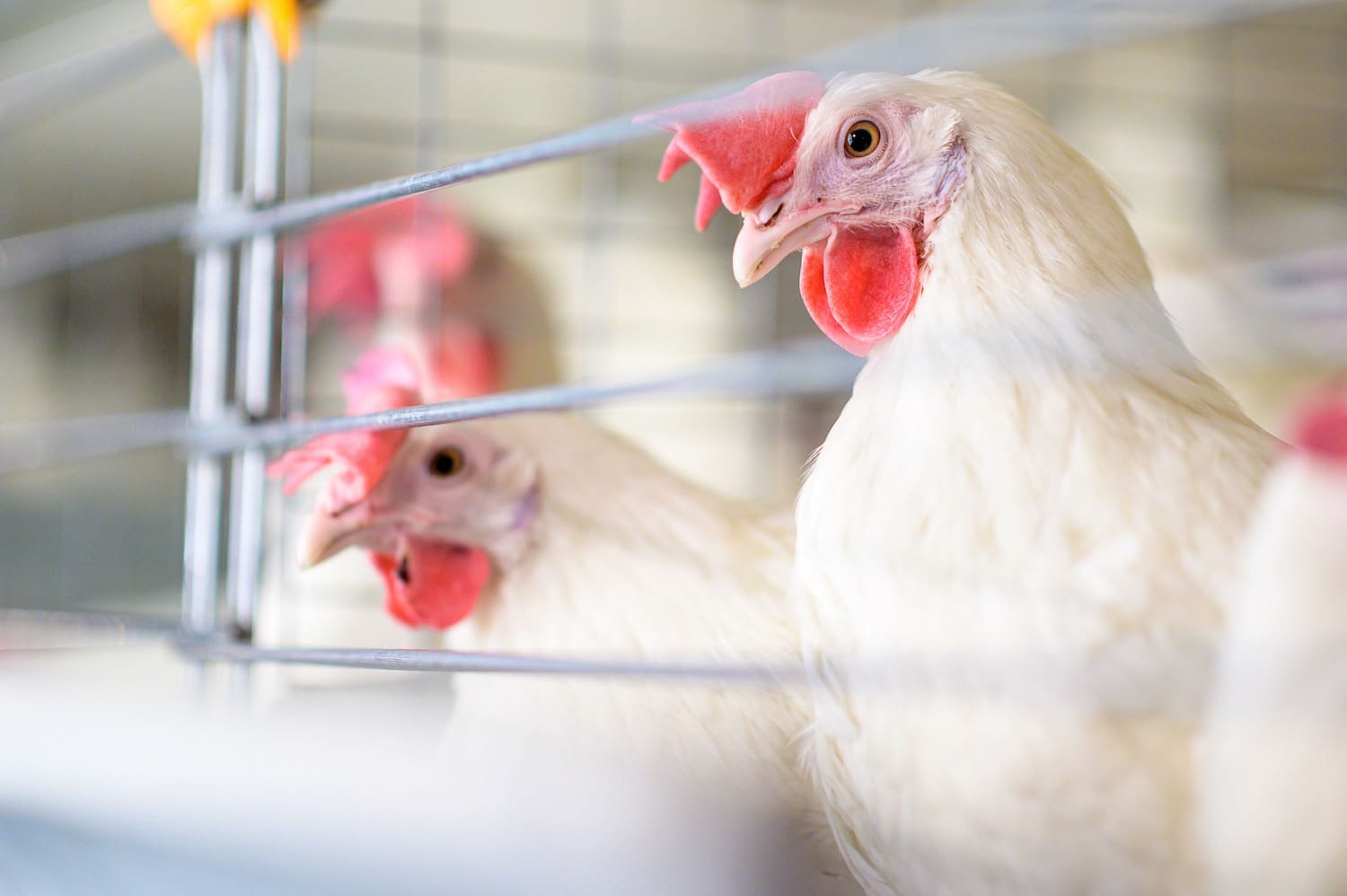
What is bird flu?
Avian influenza, or bird flu, is an infectious disease that is caused by a type of influenza virus. As the name implies, the disease mostly affects birds, but it can also affect humans, as well as animals such as cats and pigs.
The first cases of bird flu in humans were reported in 1997 in Hong Kong. Since then, there have been several outbreaks among humans in various parts of the world, with most infections traced to contact with sick birds. Many of the cases of bird flu in humans have occurred in Asia. This is thought to be mainly due to traditional farming methods used in many Asian countries, where people live in close contact with animals.
While there have not been any reports of human infections with bird flu in Australia, several outbreaks have occurred among commercial flocks of birds. The most recent outbreak was in New South Wales in 1997. All outbreaks of bird flu among poultry in Australia have been successfully contained and eradicated. Avian influenza of the H5N1 and H7N9 subtypes (see below) have never occurred in Australia.
Outbreaks of bird flu
Since late 2003, there have been several reported outbreaks of bird flu among domestic poultry and wild birds in Asia, Europe, the Middle East and Africa. These outbreaks are ongoing, and millions of birds have been culled in an attempt to eradicate the disease from domestic bird populations.
Subtypes of bird flu
There are different subtypes and strains of the virus that causes bird flu, and some cause more severe disease than others. The subtypes of the virus that have caused recent concern include:
- influenza A (H5N1) virus (or simply H5N1 virus); and, more recently,
- influenza A (H7N9) virus.
Influenza A (H5N1)
The H5N1 subtype of the bird flu virus is very aggressive, and can cause serious infections in both birds and humans. Nearly 100 per cent of susceptible birds die from this infection. Since 2003, there have been more than 500 confirmed human cases of avian influenza, and more than 300 deaths from this disease. Human cases have been reported in Asia, Africa, the Middle East and Eastern Europe.
Influenza A (H7N9)
Unlike other influenza strains, the H7N9 virus is difficult to detect in poultry because it causes few or no signs of disease in animals. Human cases of H7N9 avian influenza have been reported in China in 2013. To date, the confirmed number of cases is 132, with 37 deaths.
| Bird flu: viral subtypes and strains |
|---|
| Type A influenza viruses are divided into subtypes, based on 2 proteins on the surface of the virus, known as haemagglutinin (HA) and neuraminidase (NA). Many different combinations of the HA and NA proteins are possible. The viral subtypes are named according to these proteins on their surface — the H5N1 virus has an HA 5 protein and an NA 1 protein.
Subtypes of the influenza A virus can be further categorised into strains. New strains are constantly replacing older strains when the genetic material of the virus changes slightly during replication.
|

How is it spread?
Bird flu is highly contagious, and can infect all types of birds. Wild birds, especially water birds such as ducks, are the natural hosts of the virus. They often have no symptoms or only mild disease, but can pass the infection to domesticated birds (such as chickens and turkeys), who can develop severe disease. The disease can be passed between birds by direct contact, or carried between farms by contaminated objects, such as cages, clothing or feed.
Human infections with bird flu are not common, but it is possible for people to catch bird flu from infected poultry or surfaces contaminated with droppings, saliva or feathers from infected birds. Human cases of bird flu generally coincide with outbreaks in poultry.
There have only been a small number of cases of bird flu being passed from one human to another. There is currently no evidence of efficient person-to-person spread.
Why are health authorities concerned?
Type A influenza viruses, which are the type of influenza viruses that cause bird flu, are able to change over time. There are 2 main ways that the virus can evolve and change, known as antigenic drift and antigenic shift.
- Antigenic drift. When influenza A viruses replicate, their genetic material changes slightly, so that new strains of the virus are constantly replacing older strains. This process, known as antigenic drift, causes only small changes in the genetic makeup of viruses.
- Antigenic shift. The virus can also mix its genetic material with other subtypes of the influenza A virus, resulting in a completely new and different subtype of virus from either of the original viruses. This is known as antigenic shift.
Scientists are worried because the H5N1 subtype of the bird flu virus is able to mutate rapidly, and can readily mix with viruses that infect other animal species. If one of the avian influenza viruses were to mix with the human flu virus through the process of antigenic shift, a highly infectious new virus could form, which could easily spread from one human to another.
The human population would not have any natural immunity to this entirely new viral subtype. Health officials are concerned that a virus that no-one had immunity to, which could be easily passed from one person to another, could result in an influenza pandemic (worldwide outbreak of disease), with high rates of illness and death.
Symptoms
In most people, the initial symptoms of avian flu are similar to the symptoms that you experience when you have the regular form of the flu — fever, muscle aches and pains, and cough. The symptoms generally appear within 3 to 7 days of being infected with the virus.
Those people who are infected with aggressive, or virulent, subtypes of the virus (such as H5N1 and H7N9) may develop complications such as pneumonia. Another serious complication is a condition known as acute respiratory distress syndrome, which causes life-threatening breathing problems due to the lungs filling with fluid rather than with air.
Treatment
Oseltamivir (brand name Tamiflu) and zanamivir (brand name Relenza) — antiviral medicines used to treat regular flu — may be helpful in the treatment of influenza A (H5N1). However, their effectiveness against the H7N9 subtype of the virus is uncertain. There are also concerns about the availability and cost of these medicines, as well as the development of resistance.
To have any effect, these medicines need to be taken within 2 days of the symptoms first appearing.
Is there a bird flu vaccine?
There is currently no vaccine that protects against avian influenza.
How can I avoid catching bird flu while travelling?
If you are travelling overseas, especially in Asia, take the following steps to protect yourself:
- avoid domesticated birds, poultry farms and live bird markets;
- avoid touching birds, pigs or other animals;
- regularly wash your hands or use alcohol-based hand sanitisers;
- wash your hands thoroughly after handling any uncooked poultry or eggs;
- avoid eating any foods that contain raw or undercooked eggs;
- avoid food from street vendors; and
- if you are eating chicken or meat, make sure it is thoroughly cooked (proper cooking destroys the virus in poultry and eggs).
It may also be a good idea to have a flu vaccination before you leave. Although it won’t protect you from bird flu, it can prevent simultaneous infection with both regular flu and bird flu viruses.
If you do become unwell or experience any flu-like symptoms on your return to Australia, you should see your doctor. Make sure you tell your doctor that you have been travelling, and which areas you visited. Your doctor also needs to know if you visited any open-air markets or farms.
Preventing bird flu entering Australia
The government has implemented measures to prevent bird flu entering Australia, including:
- banning the import of live poultry or uncooked poultry products (including eggs);
- strict quarantine measures at all ports of entry into Australia; and
- surveillance of domestic flocks of birds for evidence of disease.
