
- General Information
- See Your Pharmacist or Medical Professional
- Treatment Tips
- Treatment Options
- More Information
General Information
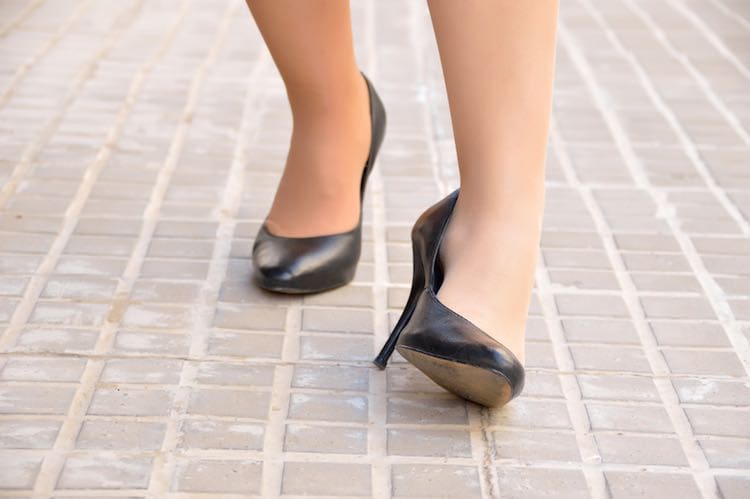
Strains and sprains, or soft tissue injuries, are common through playing sports and in everyday life. Treat injuries quickly using the RICER approach (see ‘Treatment Tips’), which reduces pain and swelling.
Avoid excessive stress on injuries and allow time to heal to prevent further injury. Physiotherapists and doctors can advise on the best way to promote recovery.
Sprains
A sprain happens when a ligament (a type of fibrous tissue that connects bone to bone) is torn. It is caused by a sudden, violent twisting of a joint, such as the ankle, wrist or knee. Symptoms include pain, swelling, bruising and loss of movement. If a sprain does not heal fully, there is a good chance the same injury will recur.
Strains
A strain occurs when a muscle or tendon (a type of fibrous tissue that connects muscle to bone) is overstretched or torn. Strains usually happen by putting stress on tight or weak muscles, such as on hamstrings or quadriceps. Your muscles can be prone to strains if you have not warmed up properly or if you are tired. Strains also need to heal properly, or they can remain painful and weak.
See Your Pharmacist or Medical Professional
- if pain from your injury has not improved after several hours of treatment
- if pain or swelling is severe, becomes worse or does not improve in 2 days
- if your pain persists 5 to 7 days after the injury
- if the injury looks deformed
- if the area over the joint is extremely tender
- if you have a severe loss of movement, numbness or are unable to bear weight
- if you have other symptoms, such as a fever or chills
- if you have other medical conditions or take other medicines, such as medicines to lower cholesterol
- if you are pregnant or breastfeeding; you may need to avoid certain medicines
Treatment Tips
Early treatment for a strain or sprain
RICER therapy is very important in the first 48 hours after an injury, such as a sprain.
- R rest: no further exercise for at least 48 to 72 hours
- I ice: apply ice or a bag of frozen vegetables, wrapped in a towel to protect your skin from ice burns, for 10 to 20 minutes every two hours for 48 to 72 hours
- C compress: wrap with a firm, elastic bandage, and loosen if you feel tingling or numbness
- E elevate: keep the injured limb raised on a chair or cushion
- R refer: see a doctor or physiotherapist for a precise diagnosis and ongoing care; a full recovery is more likely, with less scarring
After the first 48 hours
- after 48 hours, attempt to move the injured area within your limits of pain
- gradually return to non-weight-bearing exercise, such as swimming and cycling
- use supports, such as shoes with good ankle support, tape for ankle strapping, or knee braces
- avoid heat, alcohol, running (exercise) or massage for at least the first 48 hours, as they may limit healing
- check with a health professional before exercising or treating an injury with heat to avoid further injury
- if you need to lift heavy objects, practice correct lifting techniques and use two-person lifts whenever needed
Preventative measures
- warm up properly before playing sport
- exercise regularly with correct footwear
- allow enough time for recovery in between exercises
- have regular check ups with your doctor
- perform to your physical capabilities
- stretch before and after exercise
Treatment Options
- pain relief can be used as well as the RICER method (see above); take pain relief regularly for the first few days rather than wait for pain
- pain relief may reduce the pain and allow movement, but this does not mean the injury has healed
- do not to use pain relief in order to continue to exercise
Oral pain relief medicines (analgesics)
[GENERAL SALE]
e.g. paracetamol, packets of 24 or fewer (Panadol range)
[PHARMACY ONLY]
e.g. paracetamol, larger pack sizes (Panadol range)
- paracetamol does not reduce swelling but has been recommended for initial pain relief
- paracetamol is a safe choice for most people but it is important not to take more than recommended
- paracetamol is an ingredient in other medicines (e.g. many cold and flu remedies) so be careful not to double dose
- the maximum daily dose for an adult is 4 g (4000 mg), and no more than 1 g (1000 mg) every 4 hours
- It is important to dose children by their weight, and to follow the manufacturer’s instructions on dosage; see manufacturer’s directions for children’s doses
Non-steroidal anti-inflammatory drugs (NSAIDs) and aspirin
[GENERAL SALE]
e.g. aspirin (Aspro range, Disprin range); ibuprofen, packets of 24 or fewer (Advil Liquid Caps, Advil Tablets, Nurofen range)
[PHARMACY ONLY]
e.g. ibuprofen (larger pack sizes) (Nurofen), ibuprofen suspension (Dimetapp Children’s/Infant’s Suspension, Nurofen for Children) diclofenac (Voltaren Rapid 12.5); naproxen (Naprogesic)
[PHARMACIST ONLY]
e.g. diclofenac (Voltaren Rapid 25)
- NSAIDs work internally to relieve pain and inflammation
- speak to your doctor or physiotherapist first before taking NSAIDs for an injury, since in some circumstances they may delay tissue healing
- paracetamol and NSAIDs can be used together as they work differently (they are usually given at different times; ask your pharmacist’s advice on dosing)
- aspirin and NSAIDs are not suitable for everyone. Children under 16 years old must not take aspirin because it can cause Reye’s syndrome, which is a serious condition.
- check with your pharmacist before taking aspirin or NSAIDs if you:
- have a history of stomach problems, such as ulcers or indigestion
- have asthma; some people with asthma find their condition is made worse by these types of medicines
- have kidney problems or a heart condition
- take other medications
- have an allergy to aspirin or NSAIDs
- are pregnant or breastfeeding
- are elderly; you may be more at risk of side effects
- are dehydrated, such as after playing sport
- sometimes aspirin and NSAIDs can cause side effects. It is important to take these products with a glass of water and food to minimise heartburn. If you develop indigestion, shortness of breath or unusual or increased bleeding or bruising, stop taking them and talk to your pharmacist
Gel NSAIDs
[GENERAL SALE]
e.g. ibuprofen (Nurofen Gel), diclofenac (Dencorub Anti-inflammatory Gel, Voltaren Emulgel), piroxicam (Feldene Gel)
- NSAID gels rubbed gently over the affected area may help relieve aches, sprains and strains
- gel medication can be absorbed into your bloodstream so it is important to check if NSAIDs are suitable for you (see above)
- occasionally your skin can become irritated; stop use if this happens
- do not apply to open wounds, lips or near eyes
- if large amounts are used or if you are sensitive to NSAIDs, side effects may occur (see above)
- treatment beyond 2 weeks is not recommended; seek medical advice for long-term use
- wash hands after using
- gel NSAIDs are not recommended for pregnant or breastfeeding women, or children
Sports taping
[GENERAL SALE]
e.g. Elastoplast Sport, Leuko tape
- strapping tape is used to prevent and treat injuries; it helps the ligaments stabilise a joint, such as a knee, during exercise
- sports foam padding can be used under taping to give extra protection, support and comfort
- elastic adhesive bandages can be used over taping for extra compression and support, or to allow a small range of movement and comfort in joints
- remove strapping tape immediately after exercise; Leuko tape removers can help remove tape
Sports supports
[GENERAL SALE]
e.g. Body Plus, Thermoskin, Futuro
- elastic supports provide compression and support for wrists, ankles, knees and elbows
- stabilising supports provide extra joint support and protection during physical activity
- neoprene supports trap heat around the injured area; do not use immediately after injury. However, these supports are useful for long-term soft tissue injuries or stiff joints
More Information
Availability of medicines
- GENERAL SALE available through pharmacies and possibly other retail outlets.
- PHARMACY ONLY available for sale through pharmacies only.
- PHARMACIST ONLY may only be sold by a pharmacist.


