
- General Information
- See Your Pharmacist or Medical Professional
- Treatment Tips
- Treatment Options
- More Information
General Information
Insomnia
Insomnia is the inability to fall asleep or remain asleep for an adequate length of time. It is not a disease. It is usually a symptom of other problems but sometimes it has no identifiable cause.
It is often only temporary (a few days) but may become chronic (longer than three weeks).
There is no one ideal amount of sleep; however, a typical adult requires approximately 8 hours per day. Some people need very little sleep and still function well during the day, while others need a lot more. Up to 25% of Australians report having sleeping difficulty.
A person’s sleep pattern also changes as they get older. Elderly people often have no problem getting to sleep but may wake after a few hours. This can lead to tiredness during the daytime.
Common reasons for insomnia include:
- stress and anxiety
- depression
- pain
- needing to go to the toilet
- going to bed too early and not sleeping through to ‘normal’ morning hours
- breathing problems
- jet lag
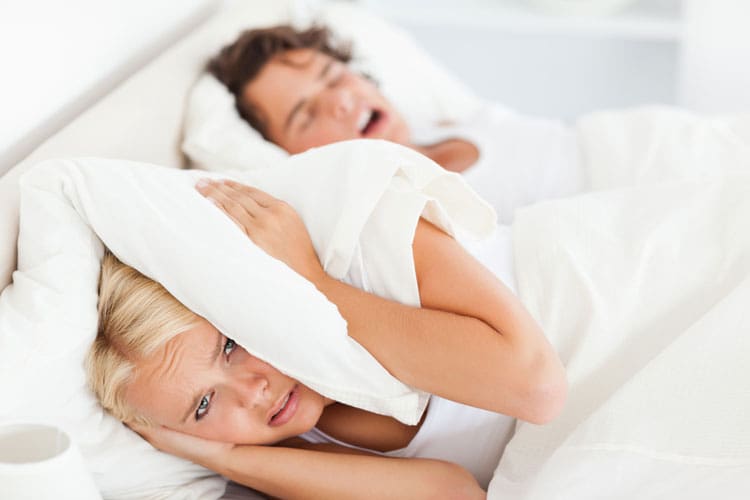
- a sleep partner who snores
- consuming products containing caffeine such as coffee, tea, soft drinks and eating chocolate
- changes to the work routine, such as shift work
Snoring and sleep apnoea
Snoring is a sign of sleep disordered breathing. At one end of the spectrum is simple snoring, at the other is sleep apnoea.
Snoring is mild if it stops when you stir from sleep and turn over. Severe snoring continues regardless of sleep position.
Sleep apnoea is when you repeatedly stop breathing for short periods while asleep. During sleep apnoea, the upper part of the airway collapses and blocks off airflow for a few seconds. This causes you to partially wake and start breathing again, which leads to disturbed sleep and tiredness the next day. You may need a sleep assessment to see if you have sleep apnoea and assess how severe it is. Supportive measures such as a continuous positive airway pressure machine (cPAP) or mouth guard may relieve sleep apnoea.
Snoring is more common in men, possibly because of men’s anatomy and fat distribution. Obesity and large neck circumference, alcohol or other sedatives, smoking and Parkinson’s disease all increase the likelihood of snoring.
Snoring can also be caused by nasal congestion due to a cold, the flu or an allergy (e.g. hayfever).
In some people, for example those with a more permanent blockage in their nasal passages, snoring can be alleviated by surgery.
See Your Pharmacist or Medical Professional
- if you have had insomnia for a long time
- if insomnia interferes with your ability to function normally during the day
- if you are waking early, have mood changes or feel stressed
- if you wake often to go to the toilet; in men this may be a sign of prostate problems
- if you are kept awake by pain
- if you are taking prescription medicines; some can interfere with sleep
- if self-help remedies for insomnia or snoring have not worked
- if your snoring is loud enough to be heard in the next room, or if you feel very tired during the daytime, as you could have sleep apnoea
Treatment Tips
- caffeine can keep you awake, so avoid drinks such as tea, coffee and cola in the late afternoon and evening. Decaffeinated coffee or herbal teas may be better
- guarana, found in some energy drinks, weight loss and multivitamin products, also contains caffeine
- alcohol and nicotine can also keep you awake, so avoid them late in the evening
- avoid eating a meal or large snack just before going to bed
- if you take water tablets (diuretics) after midday, discuss the timing with your doctor. Taking them later in the day may mean your sleep is disturbed by needing to go to the toilet at night
- try to exercise every day
- try to relax before going to bed – relaxation techniques may help
- try and have a quiet, adequately ventilated environment to sleep in
- if you are overweight, lose weight; this is likely to reduce your snoring
- try to establish a regular sleep pattern
- go to bed and get up at the same time each day
- do not go to bed early unless you need to wake up very early
- if you cannot get to sleep, get up and do something relaxing until you feel sleepy
- try not to take daytime naps but, if you do, go to bed later
Treatment Options
Sedating antihistamines
[PHARMACIST ONLY]
e.g. diphenhydramine (Snuzaid Tabs, Unisom Sleep Gels), doxylamine (Restavit Tablets, Dozile)
- these allergy medicines can also help you sleep but should be used for a maximum of seven days, otherwise you may build up a tolerance to them. If you are using them regularly you should discuss it with a health professional
- side effects of these antihistamines can include a dry mouth, constipation and blurred vision
- you may not be fit to drive or operate machinery the next day if you are still drowsy or if your vision is still blurry
- avoid alcohol while taking these antihistamines
- these antihistamines are not suitable for everyone and can interact with some other medicines; check with your pharmacist
Anti-snoring treatments and devices
[GENERAL SALE]
Quiet Nites (nasal clip to help keep nasal passages open), Breathe Right Nasal Strips (adhesive nasal strips to reduce nasal congestion), Theravent Snoring Therapy (single-use adhesive devices with valve-type holes that you stick over your nostrils) and a range of devices that encourage or retrain you to sleep on your side, rather than on your back, are available.
- if snoring persists and/or becomes severe despite using these options, see your doctor
More Information
Availability of medicines
- GENERAL SALE available through pharmacies and possibly other retail outlets.
- PHARMACY ONLY available for sale through pharmacies only.
- PHARMACIST ONLY may only be sold by a pharmacist.
