
General Information
Accidental poisonings are the third leading cause of injuries for all children in Australia.
If you think someone has been poisoned, call the Poisons Information Centre immediately for advice. The centre is available 24 hours, seven days a week, to provide information on treating and preventing poisoning.
Poisons Information Centre (13 11 26)
Poisoning in children
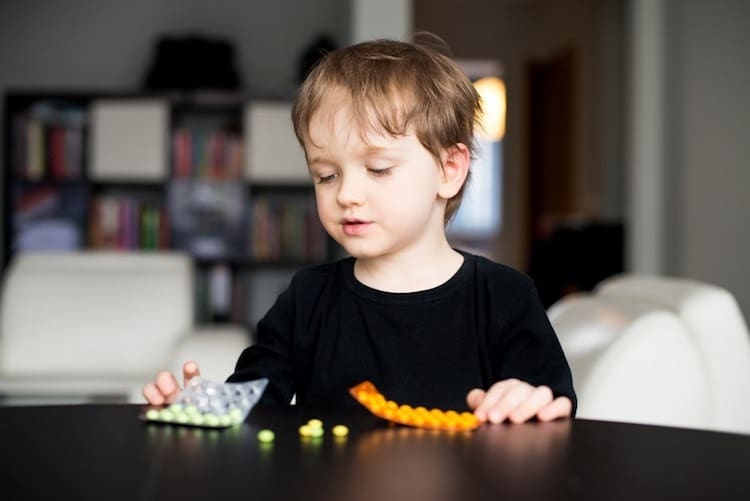
Poisonings are the second main cause of injury admissions to hospital for children aged up to 4 years. In the period 2009 to 2010, there were 1,322 children under the age of 4 years admitted to hospital for poisoning by pharmaceuticals, and 391 from poisoning by other substances.
More boys than girls are poisoned, and about 91% of poisonings happen in the home. Children under 2 years are most at risk of cleaner or chemical poisonings, while older children are most at risk of pharmaceutical poisonings.
Poisons rarely result in the death of a child.
Poisoning in adults
Most adult poisonings are intentional, and comprise 6% of all admissions to Australian medical wards. During 2009 to 2010, poisonings comprised 82% of intentional self-harm in adults (21,689 people).
Medicines commonly involved in poisonings include paracetamol, anti-depressants, anti-epileptics, anti-psychotics, sleeping pills, non-steroidal anti-inflammatory drugs and alcohol.
Females are more likely to overdose intentionally, while males are more likely to experience unintentional poisoning. Unintentional poisonings can involve substances such as petrol, kerosene, cleaners and pesticides
Poisoning agents
Common household medicines are the leading cause of young children being admitted to hospital from poisoning. Some of these include:
- paracetamol (usually General Sale or Pharmacy Only, unless in a combination product)
- sleeping tablets (usually Pharmacist Only or Prescription Only)
- anti-depressants (usually Prescription Only)
- medicine for high blood pressure or heart problems (usually Prescription Only)
- illicit drugs such as cannabis
Other common causes include:
- petroleum products and solvents, such as turpentine, petrol and nail polish remover
- poisonous plants, such as berries, shrubs, weeds and magic mushrooms
- agricultural and horticultural chemicals, such as insecticides, fungicides, rat poison and snail pellets
- corrosive and caustic agents
- cleaning and polishing products
Prevent poisoning in children
- use child-resistant packaging, such as safety caps, that are intended to be difficult for most children aged under 5 years to open, or difficult for them to be able to take a toxic amount of the substance
- remember that child-resistant packaging is not completely child-proof
- store all potential poisons:
- up high, out of sight, and well out of reach of children
- away from food
- lock up and put away all potential poisons immediately after using
- install child-proof safety catches on cupboards
- supervise children when visiting other homes in case poisons are not stored correctly
- keep handbags containing medicines out of reach
- always read labels before using any product
- measure all doses of medicine using a medicine measure, spoon, syringe or dropper
- do not call medicines ‘lollies’ or ‘soft drinks’
- do not take medicines in front of children; they may copy you
- keep ashtrays and cigarettes out of sight and out of reach of children
- teach children about the hazards of poisons and how to recognise them
- sometimes the same medicine is in many different products, such as paracetamol, which is in prescription and non-prescription medicines (including many cold and flu remedies); check with your pharmacist to avoid doubling-up doses and taking too much
- dispose of unwanted or expired medicines and toxic substances regularly; talk to the Poisons Information Centre (13 11 26), your local council or pharmacist about disposal
- keep poisons in original containers; never put them in containers that were originally for food or drink
- never put different types of medicines in one container
- find out what plants in your garden are poisonous, as well as their names, so you can give correct information if poisoning is suspected
- mushrooms in the garden can be toxic; check each day and remove new ones. There is no effective product to prevent mushrooms from growing after the rain. Seek medical attention if any are eaten
- teach children not to eat flowers and fruits from garden plants
- do not use pesticides or lay bait where children might be able to reach them
- do not burn plastic, treated wood, old chemical containers or some plants; some fumes are toxic
- some dishwashing detergents can burn children’s throats, so watch children around the dishwasher. If a child swallows dishwashing detergent try to get them to spit it out, scoop it out with your fingers or rinse with water. Do not make them vomit
Treatment Tips
What to do if you suspect poisoning:
- stay calm and protect yourself, especially if there is smoke, fumes or spilt chemicals
- always call the Poisons Information Centre (13 11 26) immediately for advice
- talk to the person who has been poisoned to check they are conscious; if they are not, call an ambulance (000)
- save any vomit, containers and labels in case they are needed to help identify the poison
Treatment Options
If a poison has been swallowed
- give the person who has swallowed the poison a sip of water
- call a doctor, the Poisons Information Centre (13 11 26) or an ambulance (000)
- do NOT make the person vomit
- do NOT give other fluids, unless you’re told to do so by a doctor or the Poisons Information Centre
- do NOT give Ipecac syrup, unless you’re told to do so by a doctor or the Poisons Information Centre
- do NOT rely on first aid advice on labels, as they are sometimes incorrect or out of date
- do NOT put a child to bed unless you have spoken to a doctor or the Poisons Information Centre
If a poison has been splashed in the eye
- remove contact lenses (if worn) before flushing the eye
- flush eye(s) immediately with lukewarm (not hot) water for 20 minutes and call a doctor, the Poisons Information Centre (13 11 26) or ambulance (000), especially if the substance is corrosive, such as acid
- low pressure running water is best to flush eyes; allow the water to run away from eyes (from nose to ear) and gently lift eyelids
- do not instil drops or apply ointments
- get eyes checked by a health professional for damage
If a poison has been inhaled
- protect yourself from harm and ventilate the area
- move the person to a ventilated area
- check the skin and eyes for chemical burns, and flush with water if necessary
- if the person is not breathing, start first aid resuscitation and call an ambulance immediately (000)
- if undertaking mouth-to-mouth resuscitation take care not to inhale expired air or contaminate your mouth with toxic material
If a poison has been splashed onto the skin
- protect yourself from getting the chemical on yourself
- remove any contaminated clothing and jewellery from the victim, unless it is stuck to the skin or the skin is burnt
- flush the skin with plenty of water for 15 to 20 minutes
- seek medical attention if the skin is damaged by calling the Poisons Information Centre (13 11 26) or an ambulance (000)
- call an ambulance if a large area is involved, and the fire service if it is a chemical spill
- do not apply lotions, ointments or creams unless instructed by the Poisons Information Centre
More Information
First aid information on is available at www.stjohn.org.au. However, this should not replace medical advice.
Availability of medicines
- GENERAL SALE available through pharmacies and possibly other retail outlets.
- PHARMACY ONLY available for sale through pharmacies only.
- PHARMACIST ONLY may only be sold by a pharmacist.
- PRESCRIPTION ONLY available only with a prescription from your doctor or other health professional.


