
- General Information
- See Your Pharmacist or Medical Professional
- Treatment Tips
- Treatment Options
- More Information
General Information
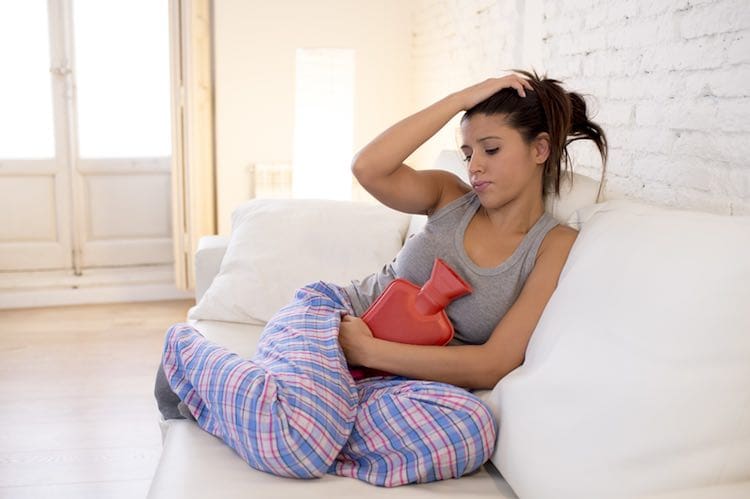
Period pain can be caused by a build-up of substances called prostaglandins, which are produced by the uterus (womb), leading to cramping pain in your lower abdomen and stomach. Pain can occur just before menstrual bleeding, but usually goes away within two days of your period starting. Period pain is also called dysmenorrhoea.
If the period pain lasts longer than a few days, or pain occurs for the first time in women in their 30s and 40s, it could have a more serious cause and you should see a doctor.
Women are usually affected by period pain in their late teens and early 20s. The severity of period pain depends on the age when your periods first started, if your periods are prolonged, if your bleeding is heavy and if you smoke.
Symptoms associated with period pain include:
- nausea
- vomiting
- diarrhoea
- constipation
- backache
- tiredness
- headaches
- fainting
- bloating
- leg pain
- breast tenderness or pain
See Your Pharmacist or Medical Professional
- if pain continues beyond the first two days of your period, or gets worse after starting
- if your pain is severe or is getting worse with each period
- if you have dull, spreading pain rather than cramping
- if pharmacy medicines no longer control your pain
- if your menstrual bleeding has become heavier
- if you have a fever and feel tired
- if you have abnormal vaginal discharge or bleeding
- if you have pain at other times, such as before or after your period, or pain with a late period
- if you use an intrauterine device (IUD) for contraception
- if you take any other medicines or have any other medical conditions
- if you are dehydrated through playing sport or have diarrhoea
- if you have allergies to any medicines
- if you have vaginal bleeding and are post-menopausal
Treatment Tips
- place a hot water bottle over clothing on your abdomen to relieve pain
- massage your lower back area
- eat a healthy varied diet
- limit caffeine-containing and alcoholic drinks
- get adequate rest and sleep
- do regular pelvic floor exercises
- try relaxation techniques to manage period pain
- exercise regularly
- avoid smoking
- some medicines are more effective because they treat the cause of period pain (see Treatment Options below or ask your pharmacist for advice)
- some period pain medicines are not suitable for everyone; check with your pharmacist
Treatment Options
Non-steroidal anti-inflammatory drugs (NSAIDs)
[GENERAL SALE]
e.g. ibuprofen (smaller packs) (Nurofen Tablets, Nurofen Caplets, Nurofen Liquid Capsules, Nurofen Zavance, Advil Tablets, Advil Liquid Capsules, Herron Blue Tablets)
[PHARMACY ONLY]
e.g. diclofenac 12.5 mg (Voltaren Rapid 12.5), ibuprofen (larger pack sizes) (Nurofen Tablets, Nurofen Caplets, Nurofen Liquid Capsules, Nurofen Zavance, Advil Liquid Capsules, Rafen), mefenamic acid (packets of 30 or fewer) (Ponstan), naproxen (Naprogesic)
[PHARMACIST ONLY]
e.g. ibuprofen (higher strength) (Nurofen Zavance 400 Double Strength Tablets, Advil 400 Double Strength Caplets, Advil 12 Hour Extended Release Tablets)
e.g. diclofenac 25 mg (packets of 30 or fewer) (Voltaren Rapid 25, Viclofen)
[PRESCRIPTION ONLY]
e.g. ibuprofen (larger pack size) (Brufen)
e.g. mefenamic acid (larger pack size) (Ponstan)
- NSAIDs stop your body from making prostaglandins, which cause period pain
- some NSAIDs may work better for you, so try different types over two to three cycles to find the best one
- take NSAIDs when you first notice period pain and continue taking them until pain disappears, or for about two days
- if you usually experience pain, start NSAIDs 2 days before your period is due
- all NSAIDS are recommended to be taken with food
- aspirin and NSAIDs are not suitable for everyone. Children under 16 years old must not take aspirin for pain relief or fever because it can cause Reye’s syndrome, a serious condition.
- check with your pharmacist before taking aspirin or NSAIDs if you:
- have a history of stomach problems, such as ulcers or indigestion
- have asthma (some people with asthma find their condition is made worse by these types of medicines)
- have kidney problems or a heart condition
- have bleeding or bruising problems
- take other medications
- have an allergy to aspirin or NSAIDs
- are breastfeeding
- are dehydrated
- are due to have any type of surgery within the next couple of days
- sometimes aspirin and NSAIDs can cause side effects. If you develop indigestion, shortness of breath or unusual or increased bleeding or bruising, stop taking them and talk to your pharmacist
Other pain relievers (analgesics)
[GENERAL SALE]
e.g. paracetamol tablets or capsules (packets of 24 or fewer) (Panadol, Panadol Rapid)
[PHARMACY ONLY]
e.g. paracetamol (larger pack sizes) (Panadol, Panadol Rapid, Panamax)
- paracetamol is a good option if you cannot take NSAIDs or if you experience stomach upset with period pain
- some women may get relief from paracetamol, however, it does not treat the cause of the pain (as NSAIDs do)
- paracetamol is a safe choice for most people but it is important not to take more than recommended
- paracetamol is an ingredient in many cold and flu remedies so be careful not to double dose. The maximum daily dose for an adult is 4 g (4000 mg), and no more than 1 g (1000 mg) every four hours
Combination analgesics
Paracetamol + caffeine
[GENERAL SALE]
e.g. paracetamol and caffeine [smaller packs] (Panadol Extra Caplets, Panadol Extra Optizorb Caplets)
[PHARMACY ONLY]
e.g. paracetamol and caffeine [larger pack sizes] (Panadol Extra Caplets, Panadol Extra Optizorb Caplets)
• caffeine acts on paracetamol to increase its effectiveness
• if you have caffeine-containing drinks while taking this medicine, you may experience caffeine-related side effects, including sleeplessness
Paracetamol + ibuprofen
[PHARMACY ONLY]
e.g. paracetamol and ibuprofen [smaller packs] (Nuromol, Combigesic, Ibupane, Maxigesic and Mersynofen)
[PHARMACIST ONLY]
e.g. paracetamol and ibuprofen [larger pack sizes] (Nuromol, Combigesic, Ibupane, Fenmol, Maxigesic and Mersynofen)
- • these products contain two ingredients that relieve pain in different ways
- • try single-ingredient products first, and if these do not give adequate pain relief, then consider combination products
- • be careful with combined paracetamol and ibuprofen products as different brands have different doses, dosing instructions and maximum daily doses, check with your pharmacist
- • don’t take combination analgesics with other single ingredient analgesic products, in case you double up and increase your risk of side effects
- • always follow the directions on the packet and do not take more than the recommended dose
More Information
Availability of medicines
- GENERAL SALE available through pharmacies and possibly other retail outlets.
- PHARMACY ONLY available for sale through pharmacies only.
- PHARMACIST ONLY may only be sold by a pharmacist.
