
- General Information
- See Your Pharmacist or Medical Professional
- Treatment Tips
- Treatment Options
- More Information
General Information
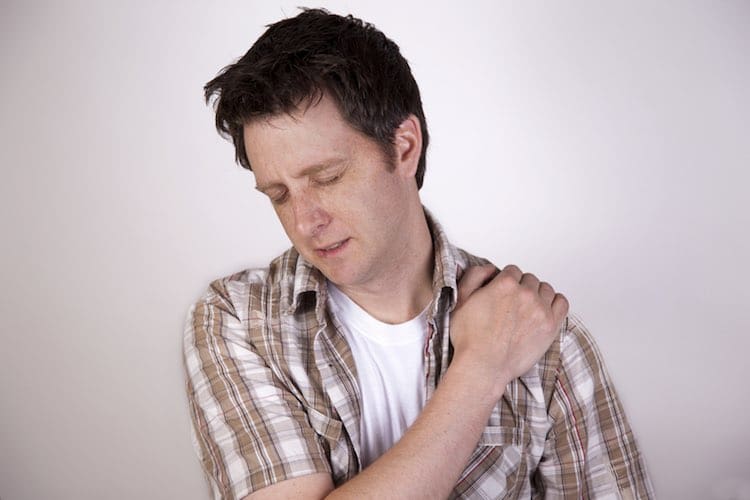
General muscular aches and pains are often caused by unaccustomed use or overuse of muscles. More severe muscle pain accompanied by swelling and restricted movement may mean that muscles, tendons or ligaments have been damaged, torn, sprained or strained (possibly in a sports or other accidental injury).
Before you treat, consider whether you have general aches or pains from overuse, or if it is something more serious, such as an injury. If you have injured yourself, follow the RICER approach immediately (see ‘Treatment Tips’).
See Your Pharmacist or Medical Professional
- if you have a serious loss of movement along with the ache or pain
- if you can’t put weight on the joint
- if the injured area looks deformed
- if the pain is severe, there is swelling or the area feels warm
- if your pain or discomfort has not improved after treatment
- if the pain is from a back injury or lower back pain that spreads to your legs
- if pain gets worse during the day, such as knee or hip pain
- if you have other symptoms, such as morning joint stiffness, fever or numbness
- if you have muscular pain and a medical condition or take certain medicines, such as those to lower your cholesterol level
- if the person is a child or elderly; they may be more sensitive to some medicines
- if you are pregnant or breastfeeding; certain medicines will not be suitable
- if your pain persists beyond seven days
If any of these apply, investigation of muscle aches and pains by your health professional is recommended, even if it confirms there is nothing seriously wrong.
Treatment Tips
- general muscle aches, stiffness or soreness caused by overuse may be relieved by anti-inflammatory gels, ‘heat rubs’ or ‘cooling rubs’
- for general muscle soreness and stiffness, gentle exercise, massage and medicine helps restore mobility
- avoid HARM: heat, alcohol, running/exercise or massage for the first 72 hours; they may limit healing and exacerbate the injury if undertaken too soon.
- check with a doctor or physiotherapist before starting heat treatments and physical activity, to avoid the risk of further injury
- if your back is the problem, in future make sure you adopt good posture and appropriate lifting techniques to prevent back ache
Treatment tips for sprains, strains and soft tissue injuries
- RICER therapy is very important in the first 48 to 72 hours after an injury, such as a sprain:
- R rest: no further exercise
- I ice: apply ice or a bag of frozen vegetables, wrapped in a towel to protect your skin, for 10 to 20 minutes every two hours
- C compress: wrap with a firm, elastic bandage, and loosen it if you feel tingling or numbness
- E elevate: keep the injured limb raised on a chair or cushion
- R refer: see a doctor or physiotherapist for a precise diagnosis and ongoing care; a full recovery is more likely with less scarring
Treatment Options
- general muscle aches and pains can be relieved by a range of medicines
- it may be better to avoid certain medicines when you are first injured; check with your pharmacist
- take pain relievers regularly for the first few days, rather than waiting for the pain to ease
Oral pain relief medicines (analgesics)
[GENERAL SALE]
e.g. paracetamol [smaller packs] (Panadol Tablets/Mini Caps, Panadol Optizorb Caplets/Tablets, Panadol Rapid Caplets/Soluble Tablets, Herron Gold Tablets)
e.g. aspirin [smaller packs] (Aspro Tablets, Aspro Clear Tablets, Aspro Clear Extra Strength Tablets, Disprin Direct Chewable Tablets, Disprin Soluble Tablets, Disprin Max Extra Strength Soluble Tablets, Alka-Seltzer Effervescent Tablets)
e.g. ibuprofen [smaller packs] (Advil Tablets, Advil Liquid Capsules, Herron Blue Tablets, Nurofen Tablets, Nurofen Caplets, Nurofen Liquid Capsules, Nurofen Zavance)
[PHARMACY ONLY]
e.g. paracetamol [larger pack sizes], ibuprofen [larger pack sizes], diclofenac (Voltaren Rapid 12.5), naproxen (Naprogesic), mefenamic acid (Ponstan)
[PHARMACIST ONLY]
e.g. ibuprofen [higher strength] (Nurofen Zavance 400 Double Strength Tablets, Advil 400 Double Strength Caplets, Advil 12 Hour Extended Release Tablets), e.g. diclofenac (Voltaren Rapid 25, Viclofen)
Paracetamol, aspirin and non-steroidal anti-inflammatory drugs (NSAIDs) relieve pain. Aspirin and NSAIDs (which include ibuprofen, diclofenac and naproxen) also reduce inflammation (swelling). Paracetamol and NSAIDs can be used together as they work differently (they are usually given at different times; ask your pharmacist about dosing).
Paracetamol is a safe choice for most people but it is important not to take more than recommended. It is an ingredient in many cold and flu remedies so be careful not to double dose. The maximum daily dose of paracetamol for an adult is 4 g (4000 mg), and no more than 1 g (1000 mg) every four hours. It is important to dose children by their weight and to follow the manufacturer’s instructions on dosage.
Aspirin and NSAIDs are not suitable for everyone. Children under 16 years old must not take aspirin for pain relief or fever because it can cause Reye/Reye’s syndrome, a serious condition.
Check with your pharmacist before taking aspirin or NSAIDs if you:
- have a history of stomach problems, such as ulcers or indigestion
- have asthma; some people with asthma find their condition is made worse by these types of medicines
- have kidney problems or a heart condition
- take other medications
- have an allergy to aspirin or NSAIDs
- are pregnant or breastfeeding
- are elderly; you may be at more risk of side effects
- are dehydrated
Sometimes aspirin and NSAIDs can cause side effects. It is important to take these products with a glass of water and food to minimise heartburn. If you develop indigestion, or unusual or increased bleeding or bruising, stop taking them and talk to your pharmacist.
Combination analgesics
Paracetamol + caffeine
[GENERAL SALE]
e.g. paracetamol and caffeine [smaller packs] (Panadol Extra Caplets, Panadol Extra Optizorb Caplets)
[PHARMACY ONLY]
e.g. paracetamol and caffeine [larger pack sizes] (Panadol Extra Caplets, Panadol Extra Optizorb Caplets)
• caffeine acts on paracetamol to increase its effectiveness
• if you have caffeine-containing drinks while taking this medicine, you may experience caffeine-related side effects, including sleeplessness
Paracetamol + Ibuprofen
[PHARMACY ONLY]
e.g. Paracetamol and ibuprofen [smaller packs] (Combigesic, Ibupane, Maxigesic, Mersynofen, Nuromol)
[PHARMACIST ONLY]
e.g. Paracetamol and ibuprofen (larger packs] (Combigesic, Fenmol, Ibupane, Maxigesic, Mersynofen, Nuromol)
- these products contain 2 ingredients that relieve pain in different ways
- try single-ingredient products first, and if these do not provide adequate pain relief, consider combination products
- be careful with combined paracetamol and ibuprofen products as different brands have different doses, dosing instructions and maximum daily doses; check with your pharmacist
- don’t take combination analgesics with other single ingredient analgesic products, in case you double up and increase your risk of side effects
- always follow the directions on the packet and do not take more than the recommended dose
Gel NSAIDs
[GENERAL SALE]
e.g. ibuprofen (Nurofen Gel); diclofenac [lower strength] (Dencorub Anti-inflammatory Gel, Voltaren Emulgel); piroxicam (Feldene Gel); benzydamine (Difflam Anti-inflammatory Gel)
[PHARMACY ONLY]
e.g. diclofenac [higher strength] (Voltaren Osteo Gel 12 Hourly)
- NSAID gels rubbed gently over the affected area may help relieve aches, sprains and strains
- gel medication can be absorbed into your bloodstream so it is important to check if NSAIDs are suitable for you (see above)
- it is not recommended to use an NSAID gel at the same time as taking oral NSAIDs (tablets or capsules); check with your pharmacist
- NSAID gels help general aches, sprains and strains
- occasionally your skin can become irritated; stop use if this happens
- do not apply to open wounds, lips or near eyes, and wash hands after use
- if large amounts are used, or you are sensitive to NSAIDs, side effects may occur (see above)
- treatment beyond 2 weeks is not recommended; seek medical advice for long term use
- NSAIDs are not recommended for pregnant or breastfeeding women, or for children
