
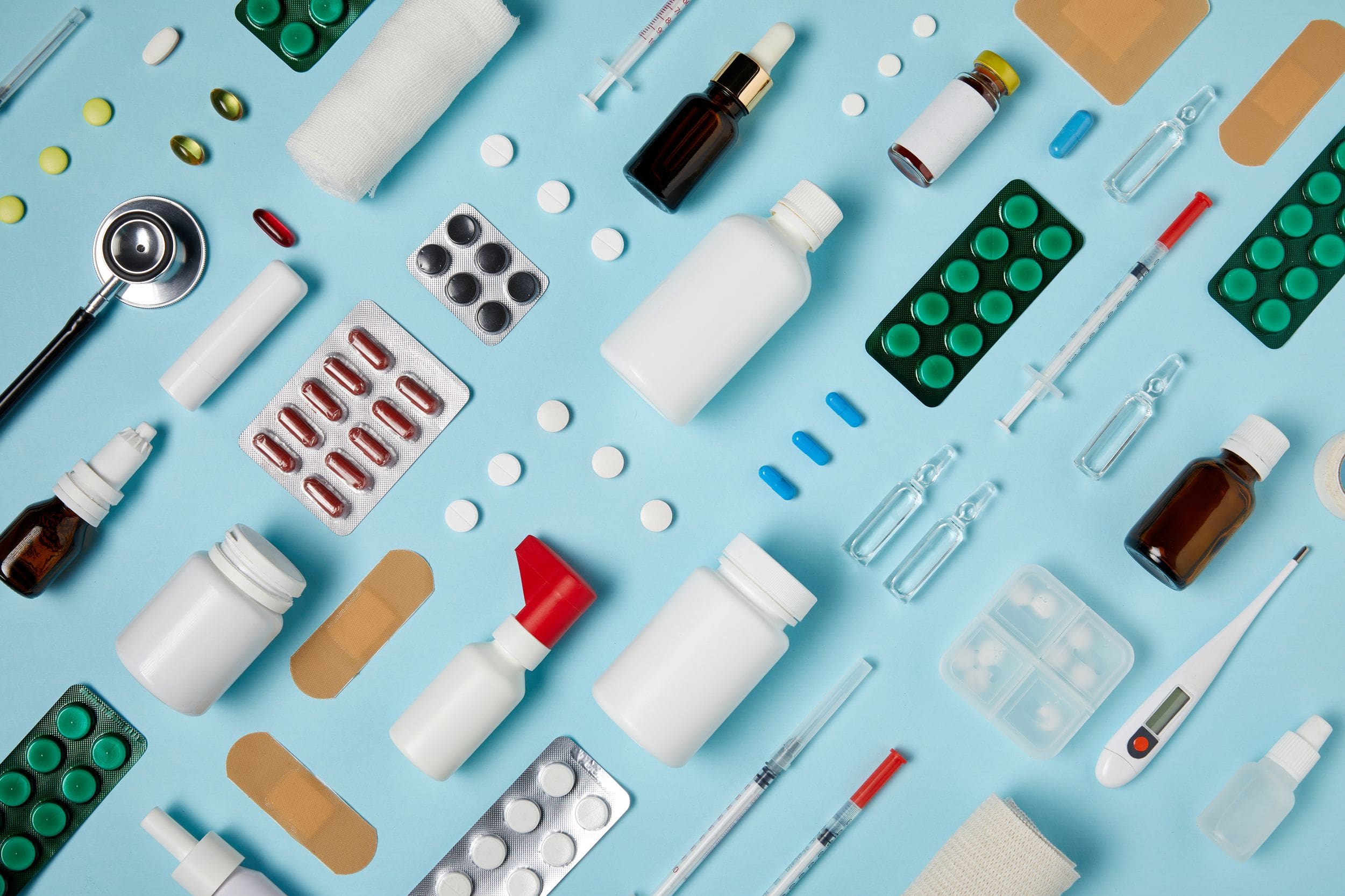
Every year, pharmacists receive many phone calls about problems that arise from misuse of medicines. This is usually accidental. Sometimes the problem is caused by a person using someone else’s empty bottles to store tablets, but far more often it involves a child taking tablets that belong to their parents or grandparents. To children, many medicines look like lollies, and are attractive to them.
In Australia, a quarter of a million hospital admissions a year result from problems with medications, and the number of people presenting to emergency departments with medicine-related problems is even higher.
Here are some tips to get the most out of your medicines and keep everyone safe.
Always keep medicines in their original containers
Many medicines are now foil packed, especially those that are particularly harmful to children, so it is important to leave them stored in the foil. Foil packaging reduces the number of tablets children can gain access to if they are playing with them. Foil packaging also protects some medicines from damage caused by humidity or sunlight.
If you find foil packs difficult to manage, your pharmacist can look at the type of medicine and decide whether it is safe to pop the tablets out for you. If it is safe to do so, the pharmacist will put them in a suitable container that is easier to manage, and has all the relevant details on the label.
Don’t pop them out yourself at home and put them into an old bottle; someone may take them, not realising that they are not the tablets described on the label. And never put medicines into food or drink containers.
Also, medicines dispensed by a pharmacist leave the pharmacy labelled with important information: the name of the person who is to take them, the dose and how often to take them. They are also labelled with other important instructions, such as whether you must not drink alcohol when taking the medicine or specific foods you may not eat. So it’s important that the container is labelled with this information.
Keep medicines out of the reach of children and pets
Every year thousands of people in Australia are admitted to hospital because of accidental poisoning.
It may be convenient to keep medicines in drawers and on bench-tops, but it takes only a few minutes for toddlers and other young children to help themselves. Remember, young children have no idea about medicines — to them they look like lollies.
The best place to keep medicines is in a high childproof cupboard. If this is not possible, keep them in a place where it will be difficult for children to see and reach, but keep in mind that children over the age of 2 can be expert climbers.
All medicines can be dangerous, especially in overdose. Just because you can buy a medicine in the pharmacy or supermarket (such as paracetamol and aspirin) it does not mean it is safe if taken by children or taken incorrectly.
Also, take care not to leave medicines where pets can access them.
| Poisons Information Centre |
|---|
| If you think a child or someone who is in the house has taken a medicine not intended for them, call the Poisons Information Centre on 131 126 for advice, or call 000 for an ambulance. They will tell you what to do.
If you have to take the child to hospital, take the medicine and the container with you. This will give the hospital good information about the medicine. |
Medicines you should not take
It is sometimes tempting to use medicines that you have access to but which should not be used by you. These include someone else’s medicines, medicines that are out of date, and medicines that were once prescribed for you but were stopped. Do not take any of these. If you have a new need, discuss this with your pharmacist or doctor.
Antibiotics are a common medicine that people may misuse, but misuse of antibiotics contributes to antibiotic resistance, which is a major threat to public health. Only take antibiotics as prescribed by your doctor. Don’t keep any that are left over and be tempted to take them for a later illness. Antibiotics should only be taken under the direction of your doctor, and you should certainly never take antibiotics prescribed for someone else.
Store in a cool dry place, unless advised differently
Most medicines can be kept at room temperature, as long as they are in a cool, dry place. Store them away from sunlight and water. Exposing medicines to heat, light or humidity can cause them to lose their effect.
It is best to store medicines outside of the bathroom, as steam and humidity from showers and baths may reduce the effectiveness of some drugs. If your pills are moist and powdery, that’s an indication that they’ve been affected by humidity or changing temperatures. Show them to your pharmacist before using them and ask about the best place to store them.
Some medicines require either refrigeration or special storage conditions. Do not keep medicines in the fridge unless the label says so – this may destroy their effectiveness. Some examples of medicines that may need to be refrigerated are insulins, some eye drops and eye ointments, and some injections.
If you are specifically advised to store medicines in the fridge, they may need to be transported in an esky or cool bag if you have to travel with them.
Read and follow the directions on the label
Some medicines have special instructions that need to be followed to reduce or avoid side effects. When using a new medicine (particularly if it is a prescription medicine) ask your pharmacist to explain it to you, including the best time to take the medicine, and whether there are any special directions for use.
If you have a problem reading the label, ask your pharmacist if they can print it with larger type.
Most medicines also have a Consumer Medicines Information (CMI) leaflet with all the important information about that medicine. You can search for the CMI for your medicine here or find it in the packet.
Don’t crush tablets unless advised
You should not crush or open tablets, pills and capsules and empty the powder out unless specifically advised by your doctor or pharmacist.
Many medicines are designed to slowly release their contents. Crushing slow-release medicines may expose you to the full dose all at once, which could be harmful, and cause side-effects or an overdose.
Enteric-coated medicines are coated to protect the active ingredients from the stomach and release them when the medicine reaches the small intestine. Crushing them will remove the protective coating and may cause the medicine to damage your stomach, or the stomach acid to interfere with how the medicine works.
If you are having trouble swallowing your medicines, tell your pharmacist. They may be able to organise another option for you or give you some advice to help with the problem.
Dispose of unwanted medicines regularly and safely
If you have medicines around the house that you are no longer using, or which are out of date, it is a good idea to dispose of them. There is a free Australia-wide programme to dispose of unwanted medicines via your local pharmacy. Take the medicines in a bag to the pharmacy and they will organise their safe disposal. Don’t try and dispose of medicines yourself in rubbish bags or bins or by flushing them down the toilet. People may find them at rubbish tips, or in your rubbish, and they can damage the environment.
Taking multiple medicines
Always tell your doctor or pharmacist about any other medicines or vitamins, minerals and herbs that you are taking. This is important as mixing some drugs can affect their potency or cause unpleasant or dangerous side effects.
It’s helpful to keep a list of all your medications, vitamins and complementary medicines that you are taking.
If you have any allergies, be sure to tell the doctor so they don’t prescribe a medicine you are allergic to.
Taking multiple medications each day can be a challenge. If you find it hard to keep track, talk to your pharmacist about medication packing services, such as calendar packs and daily pill organisers.
Similarly, if you are taking multiple medicines (or are caring for someone who is taking multiple medicines) and have concerns about side effects, remembering to take your medicines, or medicine interactions, you can ask your GP whether a Home Medicines Review (HMR) might help.
A Home Medicines Review is carried out by an accredited pharmacist. They will check all your medicines, whether you are storing and taking them correctly, and give you tips to ensure you are getting the most benefit out of your medicines. According to the Pharmaceutical Society of Australia, one in 5 people who have a Home Medicines Review are found to be suffering from an adverse reaction to a medicine at the time.
