
- General Information
- See Your Pharmacist or Medical Professional
- Treatment Tips
- Treatment Options
- More Information
General Information
Hair loss can be normal (hereditary hair loss), or abnormal, which is usually temporary. Hair loss can affect men, women and children and there are multiple reasons that can contribute to it.
Hereditary hair loss
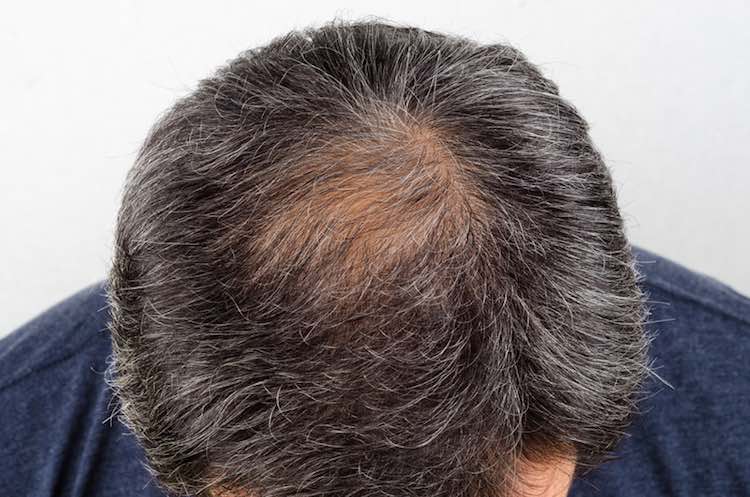
The most common type of hair loss in men is ‘male pattern baldness’, or androgenetic alopecia, which is the cause of 95% of hair loss in men. It usually starts from around the age of 30, but can occur any time after puberty. How quickly baldness develops, and the pattern of hair loss, is probably genetically determined. It usually begins with thinning at your hairline, usually seen as an M shape, followed by a thinned or bald spot on the crown of your head.
Women can also experience androgenetic alopecia but their baldness pattern is different from men’s. The hairline is usually unchanged but you may have a generalised thinning of hair around your crown. It usually begins around the age of 30, becomes noticeable at about 40, and may be even more noticeable after menopause.
Temporary hair loss
There are many possible causes of temporary hair loss, which include:
- childbirth; when a woman is pregnant she loses less hair than usual, but two to three months after giving birth, some women notice losing large amounts of hair
- high fever, severe infection or the ’flu
- thyroid disease
- insufficient protein in your diet or extreme dieting
- some medications, including the oral contraceptive pill
- cancer treatment
- iron deficiency
- psychological causes; such as obsessive compulsive disorder and severe stress
- major surgery or chronic illness
- fungal infection of the scalp
- damage from rollers or tight braiding and plaiting
- damage from hair straighteners or irons
- chemical damage from commercial hair relaxing products
- alopecia areata: a patch of hair falls out, resulting in totally smooth, round patches on your scalp, about the size of a coin or larger
See Your Pharmacist or Medical Professional
- if your hair loss is sudden or patchy
- if your scalp looks flaky, scaly or if it itches
- if you recently gave birth and have hair loss
- if you recently started a new medication or have had chemotherapy
- if you have thyroid disease, a nutritional deficiency or an autoimmune disorder, such as lupus
- if your hair loss is different to the usual male or female pattern baldness
Treatment Tips
- continue to wash your hair with a mild or medicated shampoo
- if you use a hair dryer, use on a low setting to avoid damaging your hair
- it is normally safe to perm or colour your hair unless it is breaking off, or in poor condition
- a different hairstyle may make your hair loss less noticeable
- treat any scalp conditions, such as dandruff or psoriasis
- eat a well-balanced diet
- practise relaxation techniques or consider lifestyle changes if stress may be a factor in your hair loss
- handle your hair gently
- do not tie up hair too tightly
- there is no cure for normal hereditary hair loss, but some treatments can slow or halt the process and lead to some regrowth
- early treatment works best to prevent further loss; if treatment is stopped hair loss will start again
- hair transplantation may be an option; it is usually more successful for men than women
- wear a hat and use a broad-spectrum SPF 50+ sunscreen on scalp to avoid sunburn
Treatment Options
The primary aim of treatment is to slow down further hair loss, and the secondary aim is to stimulate hair regrowth.
Topical products
[PHARMACY ONLY]
e.g. minoxidil topical solution (Women’s Regaine Regular Strength (2%), Women’s Regaine Foam Extra Strength (5%), Men’s Regaine Foam Extra Strength (5%), Hair A-Gain (5%))
- minoxidil can be used for hereditary hair loss in men and women
- best results are seen if started at the first signs of hair thinning
- apply twice a day directly to your scalp where hair regrowth is required (when hair is dry)
- continuous treatment is required to maintain results
- it usually takes 3-4 months before any benefit is seen
- more hair may fall out 2 to 6 weeks after starting minoxidil as new hair growth pushes out old hair
- treatment should be stopped if no benefit is seen after 6 months
- apply the solution to a dry scalp and do not use more than recommended as it will not achieve better or faster growth
- do not use a hair dryer after applying minoxidil
- keep your scalp dry for at least 4 hours after application and do not wear any type of headgear (e.g. hat, scarf or wig) for at least 1 hour
- hair products, such as spray and mousse, can be used once the solution has dried
- always wash your hands thoroughly after applying the solution and avoid rubbing it into your eyes, nose or mouth
- the most common side effect is an irritated scalp
- avoid minoxidil if you have skin or scalp problems, if you have heart disease, or if you are pregnant or breastfeeding
Oral products
[PRESCRIPTION ONLY]
e.g. finasteride (Propecia, Finapen, Fintab)
- finasteride is available on a doctor’s prescription for hereditary hair loss in men only
- it is taken as a single tablet each day; increasing this dose will not provide additional benefit
- long-term ongoing treatment is required to maintain response
- it does not affect hair growth on other parts of the body
- unwanted effects can include erectile dysfunction and decreased libido
- treatment should be discontinued if no benefit is seen after 12 months
More Information
Availability of medicines
- GENERAL SALE available through pharmacies and possibly other retail outlets.
- PHARMACY ONLY available for sale through pharmacies only.
- PHARMACIST ONLY may only be sold by a pharmacist.
- PRESCRIPTION ONLY available only with a prescription from your doctor or other health professional.


