
- General Information
- See Your Pharmacist or Medical Professional
- Treatment Tips
- Treatment Options
- More Information
General Information
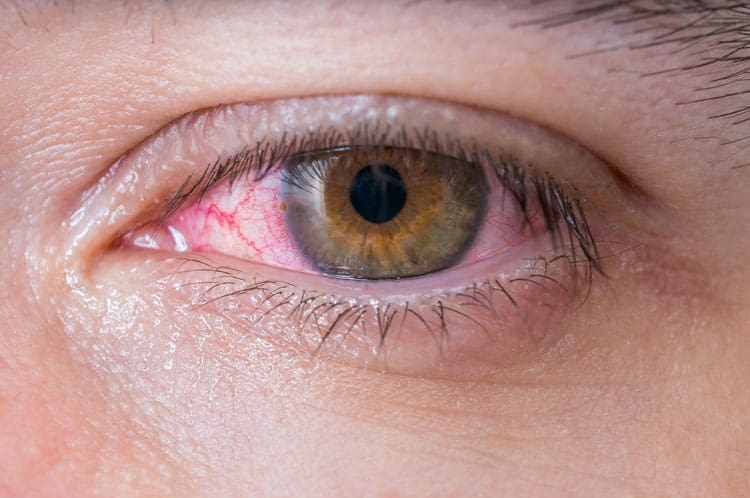
Redness and inflammation of the eye has been reported as being the most common eye problem in Australia. A major cause of eye problems is conjunctivitis, which is an inflammation of the ‘conjunctiva’ (the thin clear tissue that lines that inner eyelids and covers the white part of the eyeball).
There are 3 main types of conjunctivitis: allergic, bacterial and viral. They can be difficult to tell apart, and each is treated differently. Irritant conjunctivitis can also occur due to dryness and/or foreign matter in the eye. Always seek medical advice if you have red or painful eyes, loss of vision, irregular shaped pupils or there is unusual discharge.
Allergic conjunctivitis
Allergic conjunctivitis is usually caused by triggers, such as pollen, dust mites, pet dander (hair and dead skin cells from animals), cosmetics or preservatives in eye drops. Symptoms include:
- itchy, burning, sore, red eyes with puffy eyelids
- dark pouches below eyes
- watery eyes
- sensitivity to light
- other symptoms of allergy, such as sneezing and a blocked or runny nose
Bacterial conjunctivitis
Bacterial conjunctivitis is caused by bacteria and is very contagious, commonly infecting other family members. Symptoms, which may start suddenly and may affect one eye before the other, include:
- swelling of the eyelid
- red, burning, sore or gritty eyes with puffy eyelids
- eyelids may be stuck together when you wake up, or there may be yellow discharge coming from your eyes.
- there are usually no other symptoms associated with bacterial conjunctivitis
Viral conjunctivitis
Viral conjunctivitis is caused by a virus and is contagious. Sometimes it is accompanied by cold or flu symptoms. Symptoms include:
- red, sore, watery or gritty eyes
- itchy and swollen eyes
- crusty eyelids
See Your Pharmacist or Medical Professional
- if your eyes are painful, sensitive to light, you see colour around lights, or your sight is affected
- if only one eye is affected
- if you have strangely shaped pupils or cloudy eyes
- if you have significant swelling of the eyes
- if your eyes have a discharge, such as pus
- if you have other symptoms, such as headache, vomiting or a rash
- if your eyes do not respond to treatment, or do not improve in 2 days
- if you have had the problem before
- if you think the problem was caused by something stuck in your eye
- if you have a cold sore, herpes or shingles
- if the person with the eye problem is a baby, young child, or elderly
- if you are pregnant or breastfeeding; some medicines may not be suitable
- if you have other medical conditions or use other medicines
- if you have allergies to any medicines
- if you wear contact lenses
Treatment Tips
- do not wear contact lenses if you have an eye infection, such as conjunctivitis
- do not wear contact lenses with some eye drops; check with your pharmacist
- throw eye drop bottles away one month after opening; mark the date you open them on the bottle (check product details as some eye drops can only be used for shorter periods)
- if you are using more than one type of eye drops, leave 10 minutes between applications
- some eye drops can cause temporary stinging, if this continues, talk to your pharmacist
- protect your eyes from wind and sun by wearing sunglasses
- simple analgesics such as paracetamol may assist in relieving the pain associated with viral conjunctivitis
Tips for applying eye drops
- always wash your hands first
- pull your lower eyelid down gently with your index finger to form a pocket; tilt your head back slightly and look up
- hold the bottle between your thumb and index finger and squeeze gently to release one drop into your eye pocket
- do not touch your eye with the dropper tip
- try not to blink straightaway, as this draws eye drops into the tear duct and out of the eye
- close your eye and press gently over the corner, near your nose, to stop the drops draining through your tear duct
- wait 10 minutes before adding other eye products
- apply only one drop at a time into the affected eye(s) unless the first drop was incorrectly administered
- use eye drops before eye ointment
Tips for applying eye ointment
- hold the tube between your thumb and index finger and rest your hand against the base of your nose, to position the tube tip
- apply a small blob of ointment into your lower eyelid pocket
- do not touch the eye with the tube tip
Treatment Options
Allergic conjunctivitis
- avoid triggers (e.g. pollen, animal dander) where possible
- apply a cold flannel or lubricating eye drops to soothe eyes
Antihistamines (to treat and prevent symptoms)
- allergic conjunctivitis can be treated with antihistamine tablets or eye drops.
- when you have an allergic reaction your body releases histamine, which leads to ‘allergic’ symptoms
- you can prevent and/or treat the allergic reaction by taking antihistamines when you are around triggers, such as pollen or pet dander
Oral antihistamines (tablets and syrups)
- when you have an allergic reaction your body releases histamine, which leads to hay fever. Antihistamines block this reaction. There are two types:
- newer, less sedating antihistamines, which do not typically cause drowsiness
- older sedating antihistamines that cause drowsiness
- antihistamines are good for treating hay fever symptoms as they occur, especially if you have a lot of different symptoms. You can also take them in advance if you know you are going to be exposed to allergens or triggers
Newer, less-sedating antihistamines
[PHARMACY ONLY]
e.g. cetirizine (Zilarex, Zyrtec), desloratadine (Aerius), fexofenadine (Fexotabs, Telfast), loratadine (Claratyne, Lorano)
- cetirizine and loratadine are available as syrups for children; check correct doses for different age groups
- newer antihistamines may rarely cause drowsiness; do not drive or operate machinery if you are affected. Cetirizine is more likely to cause drowsiness than other less sedating antihistamines
[PHARMACIST ONLY]
e.g. fexofenadine + pseudoephedrine (Telfast Decongestant)
Older, sedating antihistamines
[PHARMACIST ONLY]
e.g. chlorpheniramine + pseudoephedrine (Demazin 6 Hour Relief Tablets), dexchlorpheniramine (Polaramine), loratadine + pseudoephedrine (Claratyne-D with Decongestant Repetabs), promethazine (Phenergan, Sandoz Fenezal)
- not available without a prescription for children under 2 years old
- these medicines can cause drowsiness, sometimes the next day; it is important you do not drive or operate machinery
- do not drink alcohol with medicines that make you drowsy
- sedating antihistamines are not suitable for everyone; check with your pharmacist.
- if you have other medical conditions, such as glaucoma, epilepsy or prostate problems, or you take antidepressants, check with your pharmacist before taking these medicines
Antihistamine eye drops
[PHARMACY ONLY]
e.g. azelastine (Eyezep Eye Drops), levocabastine (Livostin Eye Drops, Zyrtec Levocabastine Eye Drops)
Antihistamine and mast cell stabiliser eye drops
- histamine is released from mast cells when you have an allergic reaction, which leads to hayfever. Mast cell stabiliser medicines help reduce this histamine release, and so reduce allergic reactions and hayfever
[PHARMACY ONLY]
e.g. ketotifen (Zaditen)
Combination eye drops including decongestant
[PHARMACY ONLY]
e.g. naphazoline + antazoline (Antistine-Privine, Albalon-A), pheniramine + naphazoline (Visine Allergy with Antihistamine, Naphcon-A)
- some eye drops contain an antihistamine (such as pheniramine, antazoline) to stop itching, and a decongestant (such as naphazoline) to take away redness
- some eye drops cause temporary stinging
- limit use of combination eye drops to no more than 5 to 7 days to avoid a ‘rebound’ redness from overuse
Other eye drops, to prevent allergy symptoms
[PHARMACY ONLY]
e.g. cromoglycate (Cromolux Eye Drops, Opticrom), lodoxamide (Lomide Eye Drops 0.1%)
- these prevent allergic reactions in the eyes and need to be used 4 to 6 times per day, depending on the ingredient, for the entire time you are exposed to triggers, such as during spring
Bacterial conjunctivitis
- bathe eyelids with warm water or saline, and use warm face cloths
- do not share face cloths, towels or eye drops
- dispose of tissues carefully
- do not use decongestant eye drops as they can mask redness and infection
- children should be excluded from school until the infection subsides
Antibacterial eye drops and ointment
[PHARMACY ONLY]
e.g. propamidine (Brolene Eye Drops)
[PHARMACIST ONLY]
e.g. chloramphenicol (Chloromycetin Eye Ointment and Drops, Chlorsig Eye Ointment and Drops, Minims Chloramphenicol 0.5% Eye Drops), sulphacetamide (Bleph-10 Eye Drops)
- bacterial conjunctivitis can resolve without treatment; however, antibacterial eye drops or ointments may speed your recovery
- continue using treatment until 24 hours after your conjunctivitis has cleared
- eye ointment may temporarily blur vision, so it may be better to use it in the evening
- for the best effect use drops or ointment every few hours, according to instructions, and clean away discharge before applying
- some people may be allergic to the contents of eye drops, so check with your pharmacist before taking
- if conjunctivitis persists, see your doctor for further treatment
- some of these drops or ointments should be avoided in pregnancy
Viral conjunctivitis
- don’t share face cloths, towels or eye drops
- dispose of tissues carefully
- apply a cold face cloth or lubricating eye drops to soothe eyes
Lubricant eye drops and gels
[GENERAL SALE]
e.g. Albalon Relief, Bion Tears, Blink Intensive Tears, Cellufresh, Celluvisc, GelTears, Genteal Gel, Genteal Lubricant Eye Drops, HPMC PAA, Hylo-Forte, In A Wink Moisturising Eye Drops, Liquifilm Forte, Liquifilm Tears, Lux Clean, Luxyal, Luxyal Monodose, Methopt, Murine Eye Drops, Murine Revital Eyes, Murine Tears, Optifresh, Optive, Optrex Eye Drops, PAA, Poly Gel Lubricating Eye Gel, Poly-Tears, PVA Forte, PVA Tears, Refresh, Refresh Contacts, Refresh Liquigel, Refresh Plus, Refresh Tears Plus, Rohto Zi Contact Eye Drops, Rohto Zi Fresh Eye Drops, Systane, Tears Again, Tears Naturale, TheraTears, Viscotears, Visine Professional, Vistil, Vistil Forte
- viral conjunctivitis generally resolves by itself
- lubricating eye drops and bathing of the eyes can be soothing
- topical decongestant eye drops may help
More Information
Availability of medicines
- GENERAL SALE available through pharmacies and possibly other retail outlets.
- PHARMACY ONLY available for sale through pharmacies only.
- PHARMACIST ONLY may only be sold by a pharmacist.
