
General Information
Blood glucose testing measures the amount of glucose (sugar) in your blood. Glucose comes from the carbohydrates we eat, and is present in our blood as an energy source. For your body to function normally, blood glucose levels need to be within a certain range; this is controlled by a hormone called insulin.
Some people do not make enough insulin or do not respond fully to the insulin their body makes, which causes their blood sugar levels to be too high (hyperglycaemia). Blood glucose testing, available from your doctor and some pharmacies (or can also be done at home), is one of the most common screening tests used for diabetes.
Diabetes is characterised by persistent hyperglycaemia which is bad for long-term health (see long-term complications of diabetes, below). There are three main types of diabetes: type 1, type 2 and diabetes in pregnancy (gestational diabetes).
Type 1 diabetes
People who do not make any insulin, or very little, have type 1 diabetes. It generally develops before the age of 40.
People with type 1 diabetes need to inject insulin and must monitor their blood glucose levels regularly. The cause of type 1 diabetes is not fully understood.
Type 2 diabetes
Type 2 diabetes develops when your body stops producing enough insulin (insulin deficiency). It can also develop when your body becomes less responsive to the insulin your body does make (insulin resistance). Type 2 diabetes is the most common form of diabetes and often affects people later in life.
Some people with type 2 diabetes can control their blood glucose levels through altering their diet and losing weight. Many people will need to take oral medications to treat type 2 diabetes, and some people will need insulin injections.
You are more at risk of developing type 2 diabetes if you:
- are of Aboriginal, Torres Strait Island, Asian, Middle Eastern or Pacific Island descent and over 35 years of age
- are of European descent and are over 40 years of age
- are overweight, especially if you carry most of your extra weight around your waist
- do not exercise regularly
- are over 50 and have high blood pressure
- have a family history of diabetes
- are over 55 years of age
- had diabetes during pregnancy (gestational diabetes) or gave birth to a large baby, weighing more than 4.5 kg, or have a condition known as polycystic ovarian syndrome (PCOS)
Gestational diabetes (diabetes in pregnancy)
Gestational diabetes happens when a pregnant woman cannot produce enough insulin to cope with her body’s increased needs during pregnancy. It affects around 12-14% of pregnant women, with an increased risk in women over 40, women with a family history of type 2 diabetes or a first-degree relative with gestational diabetes, and women of certain ethnic backgrounds.
Gestational diabetes can sometimes be controlled by dietary changes, but some women need insulin injections. Women should be routinely checked for gestational diabetes in the second trimester. Gestational diabetes should resolve itself after the pregnancy but there is an increased risk of developing diabetes in the future.
Symptoms of diabetes
- constant thirst
- passing lots of urine often
- tiredness
- always feeling hungry
- weakness
- extreme weight loss (for type 1 diabetes only)
- gradually putting on weight (type 2 diabetes)
- recurrent skin infections
- fungal and yeast (thrush) infections
- slow healing wounds and infections
- mood swings
- headaches and feeling dizzy
- numb or tingling hands and feet
- blurry or hazy vision
Symptoms of type 1 diabetes are often severe and generally lead to a quick diagnosis. However, people with type 2 diabetes generally have milder or no symptoms. Many will be undiagnosed and not realise they have this condition.
Long-term complications of diabetes
If diabetes is not treated, people are at risk of developing complications from having too much sugar in their blood. This is why some people may want to have their blood glucose levels checked, particularly if they have risk factors for developing type 2 diabetes.
When sugar levels remain high in the blood for a long period of time, damage to all the blood vessels in the body occurs. Long-term complications include:
- kidney disease
- foot problems
- impotence
- increased risk of infections
- gum and mouth problems
- nerve damage
- visual problems
- an increased risk of heart attack and stroke
These problems usually only show up in people who have had diabetes for a few years, and can be reduced by keeping blood glucose levels and blood pressure in a healthy a range.
See Your Pharmacist or Medical Professional
Diabetes is a condition that must be diagnosed and treated by your doctor. However, many pharmacies offer a blood glucose testing service to screen for diabetes.
Advice for people having a blood glucose test at their pharmacy:
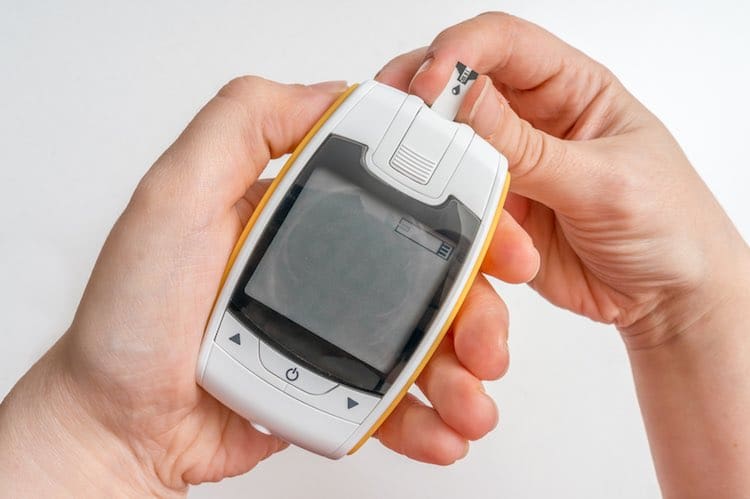
- blood glucose tests at a pharmacy are usually performed using a portable glucose monitor and testing strips
- the finger is pricked to produce a drop of your blood, which is placed on a testing strip that contains a chemical
- the strip is placed in the glucose meter and results appear as a digital display
- when taking a blood sample, it is important to ensure your finger is clean; food or drink on your skin can interfere with the test
- some bleeding can happen after the finger is pricked and there is a slight risk of infection
If you have a high blood glucose test result this does not necessarily mean you have diabetes, and you should see your doctor for further tests.
Other medical problems that can cause high blood glucose levels include severe stress and some medications.
More Information
For more information about diabetes, see the link in Related Health Information below.
