
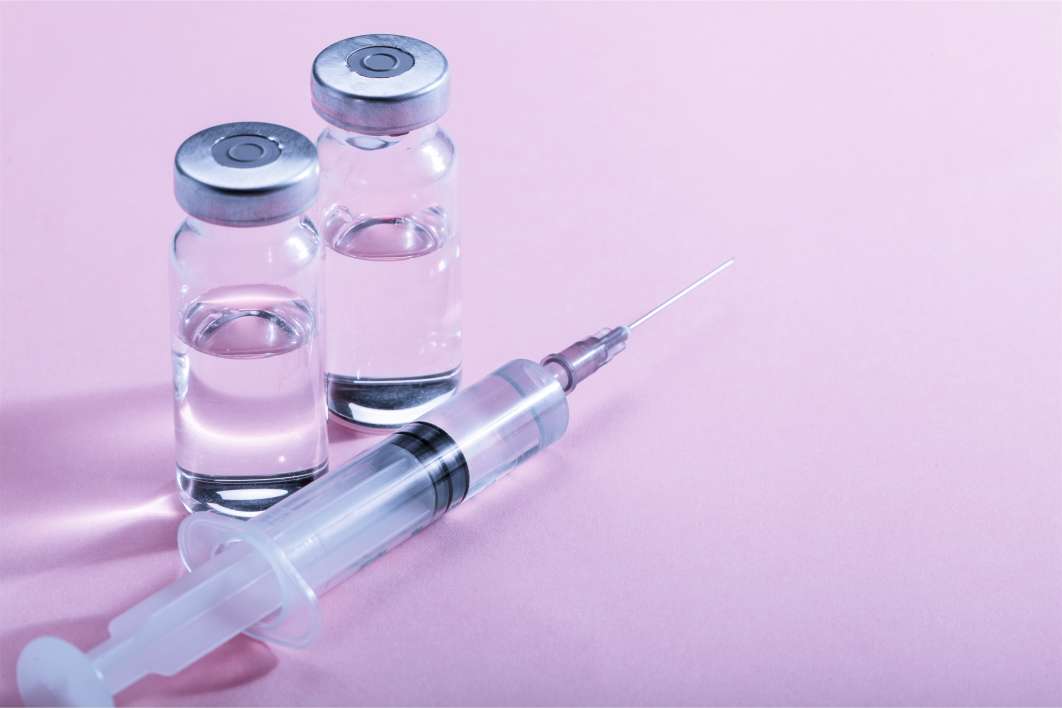
Corticosteroids (also known as steroids) are medicines that can be used to treat inflammation. When corticosteroids are injected into or around a painful area (such as a joint or muscle) they can reduce the inflammation in that area, relieving pain, reducing tissue swelling, and improving function and mobility.
Depending on the condition that is being treated, steroid injections can provide pain relief for several weeks to many months.
Corticosteroids mimic natural hormones produced by the body — specifically by the adrenal glands, which sit atop the kidneys. Corticosteroids should not be confused with anabolic steroids which are sometimes misused by athletes and body-builders to increase muscle mass and strength. Anabolic steroids may refer to the male steroid hormone testosterone or a synthetic version of testosterone.
Which conditions can corticosteroid injections treat?
Corticosteroid injections can be used to treat a variety of conditions, including the following.
Arthritis
Steroid injections can effectively treat the joint inflammation that is seen in people with rheumatoid arthritis. They can also be used to relieve the pain of osteoarthritis (the most common form of arthritis) and gout.
Bursitis
Bursas are small, fluid-filled pads that allow tendons and muscles to slide easily over bones. The pain associated with inflammation of a bursa (bursitis) — a condition which usually affects the shoulders, elbows, hips and knees — can be treated with steroid injections.
Tendinitis
Tendons are the thick bands of tissue that connect muscles to bones. Repeated motion and stress to a tendon can cause it to become inflamed — this is known as tendinitis. Rotator cuff injury of the shoulder is a common example of tendinitis that can be treated with corticosteroid injections.
Carpal tunnel syndrome
Carpal tunnel syndrome is when the median nerve (which supplies sensation to your thumb and most of the first 3 fingers) is compressed within the narrow passageway in your wrist known as the carpal tunnel. This causes pain, numbness and tingling in the wrist and hand. By reducing inflammation in the carpal tunnel and relieving pressure on the median nerve, corticosteroid injections can ease the pain of carpal tunnel syndrome.
When are corticosteroid injections used?
Although steroid injections can often effectively relieve the pain associated with musculoskeletal conditions, they are usually not used as the initial treatment option. Less invasive treatments, such as rest, oral pain reliever medicines, hot and cold compresses and physiotherapy, are usually tried first.
Make sure you tell your doctor about any other conditions you have and any medicines (including complementary medicines and dietary supplements) you are taking before having a steroid injection.
Is the injection painful?
Cortisone injections can sometimes be performed in your doctor’s office. Often, they are done under ultrasound or X-ray guidance, to make sure that the injection goes into the right spot. The injection itself can be uncomfortable, so your doctor may give you a local anaesthetic to numb the skin before the injection.
A local anaesthetic medicine such as lignocaine is also usually added to the corticosteroid injection. This anaesthetic can relieve your pain immediately, confirming the injection has hit the right spot. After a few hours, the anaesthetic will wear off, and you may feel some pain or discomfort until the anti-inflammatory effect of the steroid kicks in, which is usually after a couple of days.
Putting ice on the area and taking a pain medicine (such as paracetamol) may help relieve any discomfort in the meantime.
Do I need to restrict my activities after the injection?
After you have had a corticosteroid injection, you need to rest the affected area for 24 hours and avoid strenuous activity for several days.
Advantages of steroid injections
The main advantages of corticosteroid injections is that they relieve pain and inflammation. This can in turn can reduce swelling and improve mobility. The beneficial effects can last for several months.
In some cases, getting a steroid injection allows you to take part in physiotherapy or rehabilitation exercises to help longer-term improvement or recovery.
Risks and side effects
The most common side effects are pain and inflammation of the tissues surrounding the injection site. This temporary worsening of symptoms is known as post-injection flare, or steroid flare, and may last for a couple of days.
People occasionally report skin discolouration around the injection site. The skin may become lighter around where the injection was given. There is also a risk of nerve damage associated with steroid injections.
There is a small risk of infection associated with the injections. Joint infections (septic arthritis) are especially serious, and can result in permanent damage to the joint. See your doctor as soon as possible if:
- you experience pain for more than 48 hours after the injection;
- pain develops more than 2 days after the injection;
- the area becomes red, hot or swollen; or
- you develop a fever following the injection.
Corticosteroid injections should never be given if you have an infection, including an infection of the skin at the injection site.
Corticosteroid injections may weaken tendons, sometimes possibly causing tendons to rupture. Repeated injections of steroids may also damage joint cartilage and contribute to thinning of nearby bone (local osteoporosis). For these reasons, as well as the risk of general side effects, there are limits to how many times and how frequently corticosteroid injections can be used in the same area.
General side effects may include:
- a rise in blood sugar levels that lasts for up to 48 hours after the injection (usually only noticed if you have diabetes);
- a temporary rise in blood pressure lasting a few days;
- sleep problems; and
- flushing of the skin on the face and chest – this usually lasts no more than a few hours.
Long-term problems associated with corticosteroid medicines
People who take steroid medicines orally (by mouth) for prolonged periods are at risk of several side effects, including weight gain, high blood pressure and osteoporosis. There is only a very small risk of these problems developing following injections of corticosteroid, because, unlike when a person takes corticosteroid tablets, only very small amounts of the medicine enter the bloodstream.
