
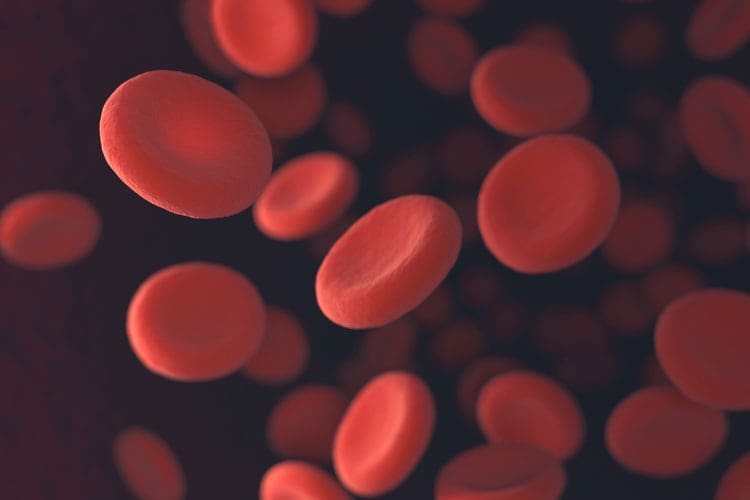
Anaemia means you have a reduced number of red blood cells or a lack of haemoglobin, the substance in red blood cells which transports oxygen around the body.
There are many reasons why anaemia can occur. A diet deficient in iron, repeated blood loss (for example, heavy periods, surgery) and chronic illness are common causes. Pernicious anaemia is a form of anaemia that is caused by vitamin B12 deficiency. Without sufficient vitamin B12, the body can’t make enough healthy red blood cells.
Causes
Pernicious anaemia is a type of vitamin B12 anaemia. Vitamin B12 anaemia can result from:
- an inability to absorb vitamin B12; or
- an inadequate dietary intake of vitamin B12.
Problems absorbing vitamin B12
Pernicious anaemia is vitamin B12 deficiency anaemia that is caused by a lack of a special substance known as ‘intrinsic factor’ that is needed to absorb vitamin B12. Lack of intrinsic factor is the most common cause of vitamin B12 deficiency.
Intrinsic factor is made by cells called parietal cells in the stomach, and is necessary for vitamin B12 to be to be absorbed in the small bowel. In some people, intrinsic factor is not produced in sufficient amounts, and even with a good diet they cannot absorb enough vitamin B12.
Lack of intrinsic factor can be caused by:
- an auto-immune illness, where the immune system attacks the cells in the stomach that produce intrinsic factor (parietal cells);
- having all or part of the stomach (where intrinsic factor is made) removed; or
- a rare, inherited condition known as congenital pernicious anaemia.
Vitamin B12 deficiency may also be due to:
- problems with absorption of vitamin B12 in the small intestine due to part or all of the small intestine being surgically removed or affected by disease (such as Crohn’s disease, coeliac disease or infection); or
- a side effect from certain medicines, such as some type 2 diabetes and seizure medicines and some medicines used to treat gastro-oesophageal reflux, which can interfere with vitamin B12 absorption.
Problems with vitamin B12 intake
An inadequate intake of foods that contain vitamin B12, such as meat, seafood, dairy products, mushrooms, eggs and foods fortified with vitamin B12 can lead to vitamin B12 deficiency anaemia. Vegans and people with a poor diet may be at risk.
Symptoms
Symptoms of anaemia include:
- tiredness;
- pale appearance;
- shortness of breath;
- feeling lightheaded;
- palpitations (an awareness of your heart beating or pounding in your chest); and
- headaches.
People with vitamin B12 deficiency anaemia may have a smooth, painful, red tongue and/or mouth ulcers.
In addition to causing anaemia, vitamin B12 deficiency can also cause problems with your nervous system, including:
- peripheral neuropathy (damage to the nerves to your legs and arms, causing numbness, tingling or pins and needles that starts in your feet and hands);
- muscle weakness;
- problems with balance and co-ordination;
- problems with your eyesight;
- depression;
- confusion; and
- memory loss.
Tests and diagnosis
Your doctor will ask about your symptoms and perform a physical examination.
Blood tests can confirm the diagnosis of pernicious anaemia.
- A full blood count and blood film can indicate the number and size of red blood cells and the haemoglobin level. If the full blood count and film shows a reduced number of red blood cells that are larger than normal and appear underdeveloped, you have megaloblastic anaemia. (Megaloblastic anaemia is most commonly caused by vitamin B12 or folate deficiency.)
- Measuring your Vitamin B12 level can confirm if you have vitamin B12 deficiency. Your level of holotranscobalamin (the active form of vitamin B12) and another substance called methylmalonic acid may also be measured if the vitamin B12 results are not clear.
- A blood test can also check for antibodies to intrinsic factor or to parietal stomach cells.
- A special test called a Schilling test is sometimes done to confirm a diagnosis of pernicious anaemia. It involves taking a small amount of radioactive vitamin B12 on its own and then with a dose of intrinsic factor. If the radioactive vitamin B12 is only detected in the blood after the dose of intrinsic factor, it indicates that your body has insufficient intrinsic factor to absorb vitamin B12. This test is not commonly done these days.
Treatment
Severe vitamin B12 deficiency anaemia is usually initially treated with injections of vitamin B12. The injections are given into a muscle. The frequency of the injections may decrease over time, but treatment for pernicious anaemia involves regular, often lifelong, injections of vitamin B12.
Vitamin B12 anaemia that is not due to a lack of intrinsic factor may not require ongoing injections of vitamin B12, and it may be treated with vitamin B12 tablets (that are swallowed or dissolved under your tongue) or vitamin B12 mouth spray.
For those who developed vitamin B12 deficiency as a result of their diet, a diet that has plenty of foods that contain vitamin B12 or dietary supplements may be all that’s needed. Your doctor may refer you to a dietitian for advice on how to make sure your diet contains enough vitamin B12.
