
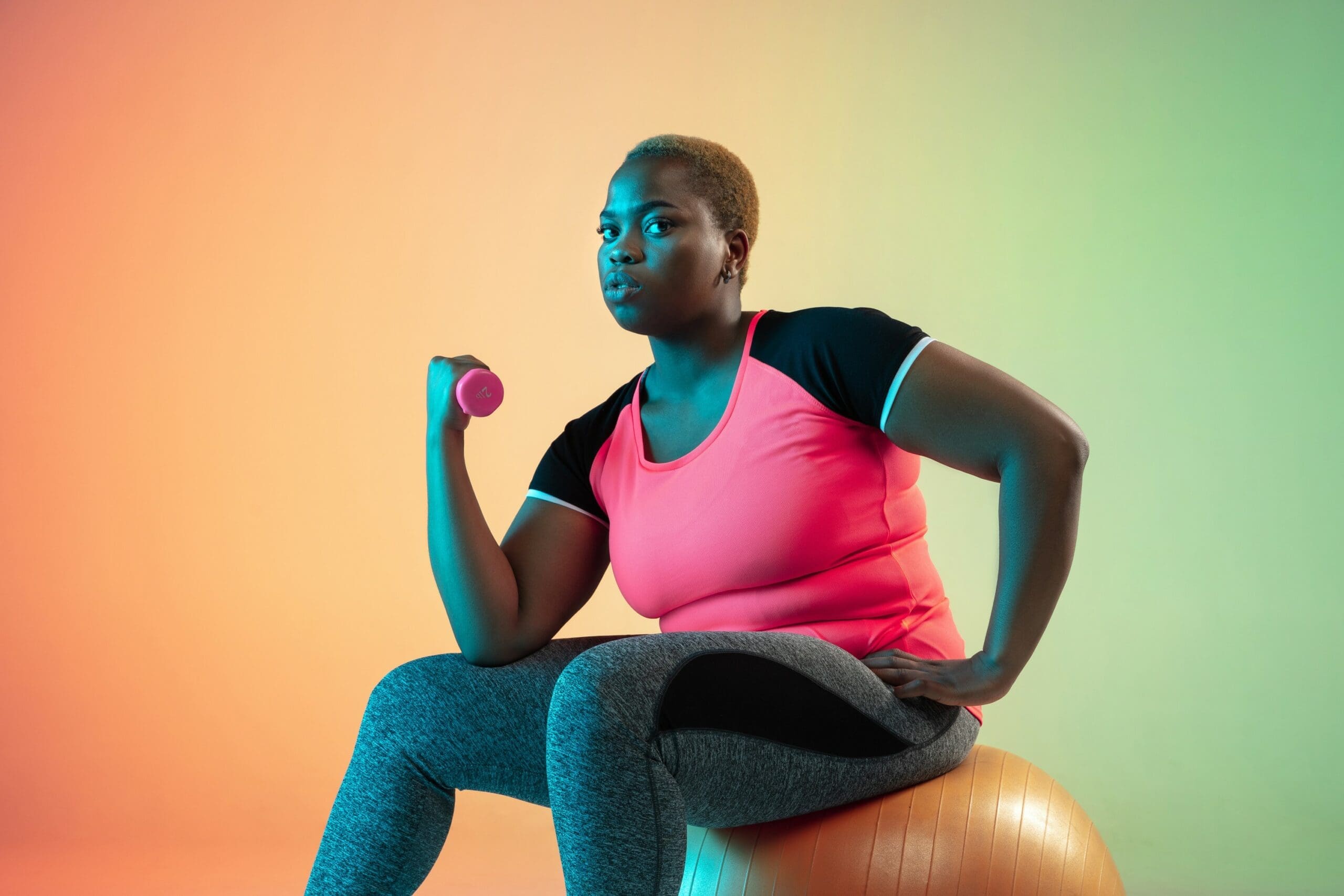
Obesity and overweight are defined as abnormal or excessive accumulation of body fat that may affect your health.
Diagnosis
Body mass index (BMI) and waist circumference are the tools used most often in assessing overweight and obesity.
BMI
Health professionals often use the body mass index (BMI) calculation — your weight in kilograms divided by your height in metres squared (kg/m2) — to work out if you are a healthy weight, overweight or obese.
- Healthy weight: BMI of 18.5 to 24.9
- Overweight: BMI of 25 to 29.9
- Obesity: BMI of 30 or above
Are the BMI cut-off points always accurate?
BMI does not distinguish between weight due to muscle and weight due to fat, so it does not take into account differences in body composition. An elite sportsperson may have a high muscle mass, and a BMI above 25, but not be carrying excess body fat. If you have a BMI in the overweight range (between 25 and 29.9), your doctor can advise you whether you are truly overweight.
If you have a BMI over 30, you are likely to be obese, depending on your body composition; again seek your doctor’s advice.
For some groups, BMI may need to be interpreted differently or may not be suitable.
- Aboriginal people. These BMI measures may not be suitable for Aboriginal people, whose healthy BMI range may be different from that for people of European descent. This is due to their relatively long legs in relation to weight, which is a factor known to influence BMI.
- Asian people. Similarly, for Asian people, cut-off points for health risks appear to be lower than for people of European descent.
- Pacific Islanders. For Pacific Islanders, including Maori and Torres Strait Islanders, higher BMI cut-off values may be considered.
- Children. A BMI calculator for children uses different cut-off points to define overweight and obesity as it needs to take into account a child’s age. If you are concerned about your child’s weight, see your doctor.
Waist circumference
Waist circumference measurement can provide a good indication of total body fat and also helps doctors find out if you are carrying too much fat around your middle (central or abdominal obesity).
Waist circumference can also be used by doctors to help predict your risk of certain conditions associated with obesity, such as heart disease and diabetes.
To reduce the risk of disease:
- men should aim for a waist circumference of less than 94 cm; and
- women less than 80 cm.
These figures apply to Caucasians. Asian and Indigenous people should have smaller waist measurements, and Pacific Islanders may need higher cut-off values. Talk to your doctor about what’s appropriate for you.
Causes
Consuming more food energy than can be used up in daily activity and normal body function (metabolism) generally results in excess energy being stored as body fat.
In terms of what you eat, ‘energy-dense’ foods (those that have a lot of kilojoules in a small volume) can be associated with weight gain, especially if you eat a lot of them. These foods tend to be high in sugar and/or fat, for example, soft drinks, chips and pastries.
As for the other side of the equation — how much energy you expend — not being active (often simply not moving enough, let alone not formally exercising) is an important cause of obesity.
On top of these factors are additional contributing risk factors, including:
- genetic make-up, that is, how easily you tend to store fat;
- underlying illnesses;
- certain medicines that can contribute to weight gain;
- age; and
- lifestyle and social factors (your risk of being overweight is higher if your family members and friends are overweight).
Complications
Being overweight or obese increases your risk of:
- high blood pressure;
- type 2 diabetes;
- stroke;
- coronary heart disease and heart attack;
- high cholesterol;
- gout;
- osteoarthritis;
- sleep apnoea;
- some types of cancer;
- gallstones;
- gastro-oesophageal reflux disease;
- infertility and sexual problems;
- urinary incontinence;
- mental health problems, including depression, anxiety and psychological distress;
- low back pain; and
- mobility problems.
Body fat distribution is also an important predictor of disease. Abdominal fat, central (or truncal) obesity and abdominal obesity are all terms used to describe carrying extra weight around your middle, rather than on your hips and thighs. In other words, if you have central obesity, you are ‘apple shaped’ rather than ‘pear shaped’.
Carrying extra fat around the abdomen, rather than being pear shaped, puts a person at much greater risk of:
- heart disease;
- diabetes;
- stroke; and
- cancer.
Treatment
If you think you are carrying too much body fat, see your doctor. Your doctor can:
- calculate and interpret your BMI in terms of your body composition to find out if you need to lose body fat, and how much, or whether you need to simply take steps to avoid gaining body fat;
- advise you about which foods to eat, and refer you to a dietitian for further food advice;
- check your health in general and in terms of how your weight may be affecting your health;
- advise you on an exercise programme that is appropriate for your age and health; and
- discuss various weight loss options with you.
Even losing a modest amount of weight (5 to 10 per cent of body weight) can help reduce your risk of some obesity-related health problems. For some people, changes that help prevent further weight gain and improve your fitness levels and nutrition can improve your health.
Making simple daily lifestyle changes to increase your energy expenditure (physical activity and exercise) and reducing your energy intake (by improving your eating habits) are the key to weight loss. By combining improved nutrition, physical activity and behavioural change, you are more likely to successfully lose weight.
Maintain a healthy body weight by being physically active and eating according to your energy needs.
Physical activity
Think about how much you move on most days — if it’s not much, start moving in simple ways, for example:
- take the stairs not the lift;
- walk to the shops instead of driving;
- do some gardening;
- take the dog for a walk; or
- turn off the television for a while and go to the park.
Get a pedometer and start measuring how many steps you accumulate each day.
Continuous exercise at a comfortable pace is best for controlling body fat, e.g. 30 minutes of brisk walking every or most days is recommended as a way to avoid gaining excess fat when combined with healthy eating. Remember, you don’t need to take part in a structured sport to be more active.
At least 300 minutes of moderate-intensity exercise, or 150 minutes of vigorous activity, is needed per week (combined with reduced dietary intake) to lose significant weight. However, the amount of physical activity required to lose weight varies from person to person.
Remember that increasing your activity level should be combined with reducing your energy intake.
As well as helping you lose weight, physical activity benefits your general and heart health.
Healthy eating
Becoming aware of how different types of foods affect your energy intake is important — see your doctor or a dietitian for advice on which foods and eating habits are likely to result in excess body fat and which are not. When trying to lose weight, it’s important to reduce the amount of kilojoules you consume.
A healthy diet means enjoying a wide variety of nutritious foods every day from the following food groups:
- vegetables, legumes and beans;
- fruit;
- grain foods (mostly wholegrain), including breads, pasta, rice and noodles;
- lean meats, fish, poultry, fish, eggs, tofu, nuts and seeds and legumes/beans; and
- dairy foods, mostly reduced-fat varieties.
It’s important to also:
- drink plenty of water;
- limit added fats and foods containing saturated fat;
- choose low-salt foods;
- limit your intake of high-energy drinks (including soft drinks, sports drinks, fruit juice and tea/coffee with added sugar);
- if you drink alcohol, limit your intake;
- avoid highly processed foods; and
- eat only a moderate amount of sugars and foods containing added sugars.
Other weight-loss strategies include:
- reducing portion sizes;
- eating more slowly; and
- having a regular eating pattern.
One of the most important factors is that you can stick with your improved eating plan in the long term. And remember, better eating habits can help improve your health, even if you only lose weight very slowly.
Behavioural change therapy
Treatments aimed at changing behaviours that can lead to weight gain are an important part of weight loss and weight maintenance. Strategies may include:
- overcoming barriers to change;
- setting goals; and
- self-monitoring.
Your doctor may suggest you join a support group or see a psychologist to help you change your behaviour.
Weight loss medicines
There are several weight loss medicines (both prescription and non-prescription) available that can be used together with healthy eating and physical activity to help some people with weight loss or weight maintenance.
As with all medicines, there are side effects associated with weight loss medicines. Ask your doctor whether weight loss medicines may be suitable for you.
Weight loss surgery
In some circumstances, weight loss surgery, or bariatric surgery, may be an option to achieve or maintain weight loss. Ask your doctor about the risks and benefits of weight loss surgery and whether a weight loss procedure may be suitable for you.
Weight maintenance
Once you have lost weight, it can be hard to keep it off. Programmes to maintain weight loss are recommended to prevent your good work being undone.
Complementary therapies
There is a lack of evidence from clinical trials showing any complementary therapies to be effective and safe for weight loss.
