
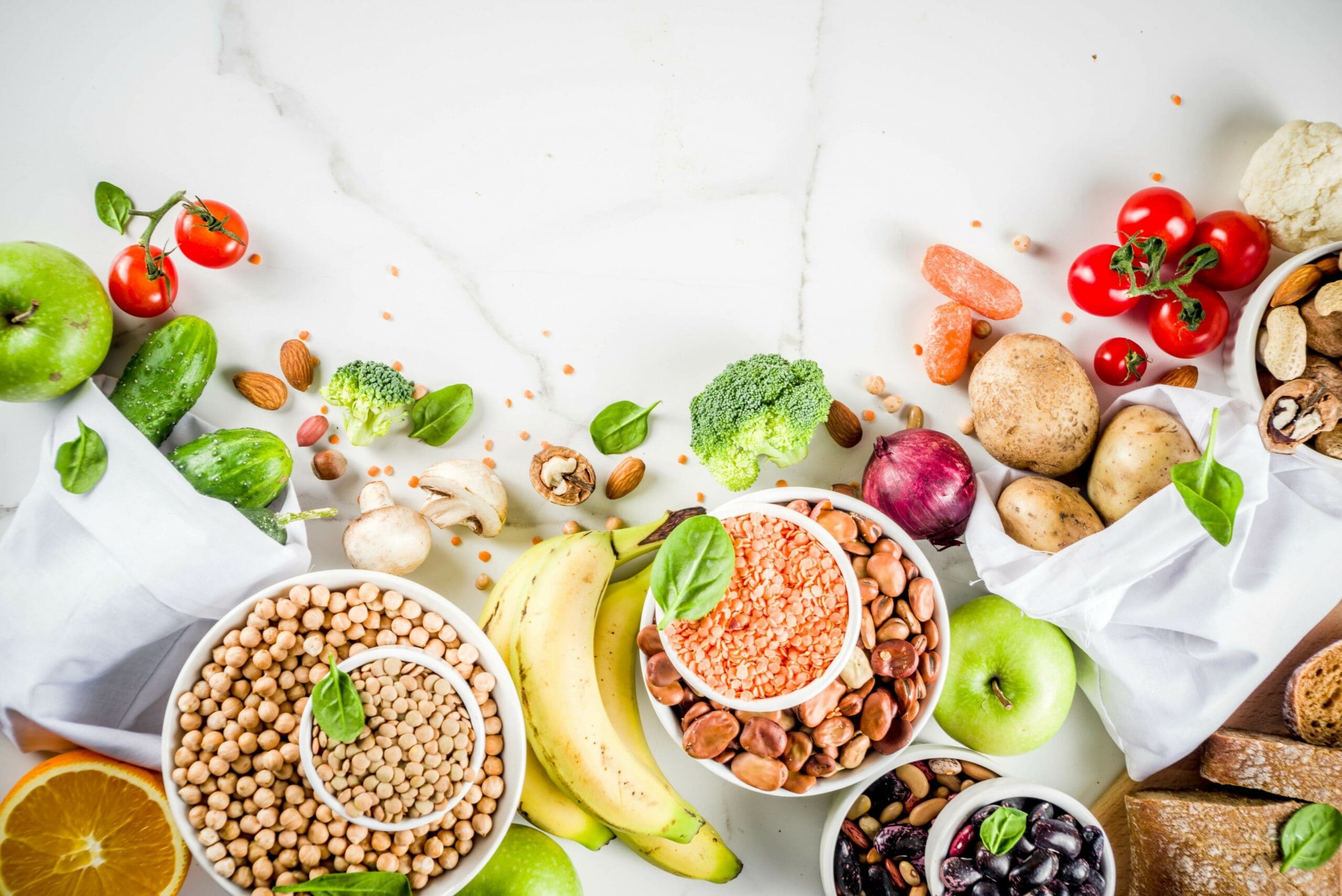
The glycaemic index (GI) is a measure that applies to carbohydrate-containing foods and gives some clues as to whether eating that food is likely to affect your blood glucose (also called blood sugar) level.
- Foods with a low GI (e.g. red lentils at 21) tend to break down slowly during digestion and are unlikely to have any major effect in raising blood glucose levels.
- Foods with a high GI (e.g. white bread at about 70) may make your blood glucose rise more quickly, although this will depend on other foods consumed at the same time.
- Pure glucose is given a GI of 100.
Choosing low-GI foods can benefit people with diabetes.
How is Glycaemic Index measured?
GI values of foods must be measured using valid scientific methods. It cannot be guessed by looking at the composition of the food or the nutrition information panel on food packaging.
Following the international standard method, the GI value of a food is determined by feeding 10 or more healthy people a portion of the food containing 50 grams of digestible (available) carbohydrate and then measuring the effect on their blood glucose levels over the next 2 hours. For each person, the area under their 2-hour blood glucose response (glucose AUC) for this food is then measured. On another occasion, the same 10 people consume an equal-carbohydrate portion of the sugar glucose (the reference food) and their 2-hour blood glucose response is also measured. A GI value for the test food is then calculated for each person by dividing their glucose AUC for the test food by their glucose AUC for the reference food. The final GI value for the test food is the average GI value for the 10 people.
Foods with a high GI score contain rapidly digested carbohydrate, which produces a large rapid rise and fall in the level of blood glucose. In contrast, foods with a low GI score contain slowly digested carbohydrate, which produces a gradual, relatively low rise in the level of blood glucose.
For more information on GI testing go to www.glycemicindex.com
The Glycaemic Index of various carbohydrate-containing foods
| The GI of carbohydrate-containing foods | ||
|---|---|---|
| Low-GI foods (GI of 55 or less) |
Intermediate-GI foods (GI of 56-69) |
High-GI foods (GI of 70 or more) |
|
|
|
Moving on from complex and simple carbohydrates
Before the GI system was developed, nutritionists classified carbohydrates into 2 types: ‘complex’ (starches, such as those contained in bread, rice, potatoes and pasta) and ‘simple’ (sugars, such as those in milk, honey and fruits). Complex carbohydrates were thought preferable for people with diabetes as they were thought to take longer to digest and absorb than most simple carbohydrates and therefore less likely to cause a sudden spike in blood glucose levels.
However, the concept of GI has changed this assumption somewhat, because some foods with predominantly simple carbohydrates (such as milk) have a lower GI than some foods containing mainly complex carbohydrates (such as potatoes). This may be due to other components, such as the protein or fat, in a food like milk. Foods with lower GI are generally now thought to be absorbed more slowly than those with higher GI, even if they contain predominantly simple carbohydrates.
What factors affect GI?
The GI of a food is affected by many factors, including:
- ripeness;
- the exact variety (for fruit, vegetables and grains);
- processing;
- cooking;
- changes that occur in starch granules when potatoes or rice are cooked and cooled;
- storage; and
- individual responses.
Many foods are not eaten on their own, but are consumed as part of a mixed meal. The GI of a meal will vary according to the type of starch, the amount of protein and fat, and the quantity and type of fibre in the meal. Nevertheless, including low-GI foods in a meal tends to reduce the overall GI of that meal.
The GI value of different brands of a food may also vary, either because of the quantities of particular ingredients or different processing methods. Different combinations of ingredients in muesli may vary the GI from low to intermediate. The way breads are made can also alter the GI. Additives that cause bread dough to rise rapidly can change the nature of the starch in bread flour and produce a loaf with a higher GI compared with breads made by the more traditional slow rising method.
Glycaemic load
When it comes to planning meals, it’s important to think about how much carbohydrate a particular food contains, as well as how quickly it is absorbed. This is where the concept of glycaemic load (GL) comes in. To calculate the GL, you multiply the GI by the amount of available carbohydrate in a serve (in grams) and divide the total by 100. The GL is highest for foods that provide a lot of carbohydrate. For example:
An apple has a GI of 40 and a medium-sized apple contains about 15 g of carbohydrate. The GL of an apple is therefore (40 x 15) / 100 = 6.
Watermelon has a GI of 72 and a 100 g portion contains about 6 g of carbohydrate. The GL of watermelon is therefore (72 x 6) / 100 = 4.54.
Considering GI alone, you might consider watermelon a poor choice as it has a relatively high GI. However, because it contains little carbohydrate, it will not affect your blood glucose level much — we can tell this from the low GL. Remember though that the size of the serve is important and foods may also have other nutritional virtues that should be considered.
The link between GI and keeping healthy
- Eating predominantly high-GI foods — especially if your diet is lacking in fibre from wholegrains — may increase your risk of type 2 diabetes. Although more research is needed, Diabetes Australia recommends eating a diet with moderate amounts of carbohydrate and including high fibre foods that also have a low GI. Wholegrains (such as rolled oats, muesli, wholegrain breads), vegetables, legumes (peas, beans and lentils), seeds, and fruit are particularly recommended.
- There is evidence that for people who already have type 2 diabetes, eating a low-GI diet can improve blood glucose control.
- Some studies have found that a low GI/GL diet may reduce some pro-inflammatory markers in the bloodstream, although no significant changes have been shown for blood fats or body fat levels or fasting glucose levels.
- Some experts recommend a low-GI diet for women affected by polycystic ovarian syndrome (PCOS). This is because some women with PCOS do not respond normally to insulin and therefore have trouble regulating their blood glucose level.
GI and weight loss
Because low-GI foods release their energy slowly, in theory they may prolong the time until you feel hungry again after eating. In terms of weight loss, some short-term studies have shown that overweight and obese people lose weight successfully on low-GI diets. However, overall, the results for weight loss with low GI/GL diets vary, indicating that factors other than GI/GL are involved. The most important factor for long-term weight control is overall kilojoule intake.
Glycaemic Index and diabetes
Carbohydrate from food is digested in the small intestine — during this process various sugars are released and absorbed into the blood. The major sugar is glucose, and the GI is an indication of how long it takes the glucose from a food to enter the blood.
After glucose is absorbed into the blood, the body releases insulin, a hormone that helps glucose to be taken up by the cells. People with diabetes either don’t produce enough insulin or their bodies don’t respond properly to insulin. This can cause problems in regulating the amount of glucose in their blood, which can lead to health problems in the long and short-term. So those with diabetes could find a tool like GI useful to predict how a particular food will affect their blood glucose level.
Practical tips for a healthier diet
If you want to use the GI/GL concept to improve your diet, this can be done by:
- Replacing some high-GI foods with low-GI equivalents (for example, you could replace white bread with wholegrain bread or swap high-GI processed breakfast cereal for porridge or muesli).
- Choosing foods that don’t contain large quantities of carbohydrate, such as vegetables, nuts, seeds, fish and lean meat. This helps reduce GL.
- Watch portion size. Even eating large quantities of low GI foods can affect overall blood glucose control.
When the GI is listed on a food label, the foods must have had the GI measured using an approved method. The GI Symbol Program is run by the Glycaemic Index Foundation and supported by the University of Sydney and Diabetes NSW&ACT. Foods carrying the low GI symbol must be tested by an accredited laboratory meeting International Standards and meet the Foundation’s specific nutritional criteria — these differ according to the food category.
For more information visit www.gisymbol.com
The bigger picture
The glycaemic index of a food is only part of the overall nutritional nature of that food. It does not give the complete picture. For example, despite having a low GI, many cakes and chocolates are high in saturated fat, sugar and kilojoules so should be eaten only occasionally and in small quantities. Fructose, a sugar that can be extracted from fruit or made from corn, also has a low GI, but is neither safe nor desirable if consumed in large quantities. Conversely, high-GI foods such as many varieties of potatoes, can make an important contribution to our diet. Some wholemeal bread has a similar GI to white bread, but the wholemeal loaf has the advantage of a higher content of dietary fibre. Perhaps the best approach is to bear GI in mind as part of a balanced diet — the extra effort may well be worthwhile, especially for those with diabetes.
