
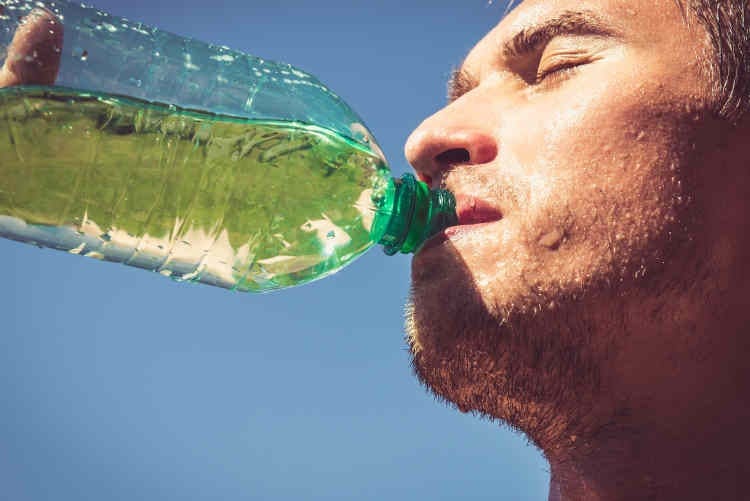
What is dehydration?
Dehydration is the excessive loss of body fluids.If we lose more fluid than we replace the result is dehydration.
Normally, the fluid depletion is signalled by thirst and is replenished by drinking. If the fluid lost is not replaced, severe dehydration develops, and can lead to changes in the body’s chemistry, kidney failure and may even be fatal. This severe form of dehydration is considered a medical emergency.
Causes of dehydration
Possible causes of dehydration include:
- excessive sweating as a result of vigorous exercise (especially in hot weather) or simply not drinking enough fluids in hot weather;
- diarrhoea or vomiting;
- fever;
- drinking too much alcohol;
- diabetic complications; and
- certain medicines (such as diuretics).
Symptoms of dehydration
Signs and symptoms of dehydration vary depending on the degree of dehydration.
Mild to moderate dehydration symptoms include:
- thirst;
- dry mouth;
- a drop in weight;
- dry lips and tongue;
- dry eyes and no tears when crying;
- headache;
- a decrease in the amount of urine passed, and the urine is concentrated (it will appear darker than normal);
- in babies, fewer wet nappies than usual; and
- dizziness or light-headedness (particularly when standing).
Severe dehydration symptoms include:
- dry-looking skin with loss of skin elasticity;
- extreme thirst;
- low blood pressure;
- rapid heart rate and breathing;
- minimal or no urination;
- irritability, drowsiness or confusion;
- sunken eyes; and
- in infants, a sunken fontanelle.
Complications of dehydration
Complications of severe dehydration can include:
- kidney damage;
- seizures; and
- shock due to low blood volume.
Treatment
Adults
Oral rehydration solutions can be used to treat mild to moderate dehydration in adults. These solutions replace both water and salt losses in the body. Drinks containing alcohol and caffeine should be avoided. If you have gastroenteritis and are vomiting, try to sip small amounts of fluid in between bouts.
Children
Consult a doctor if an infant or young child is dehydrated. The doctor will assess the child’s degree of dehydration and prescribe treatment accordingly. In most cases of mild dehydration, oral rehydration solution can be used.
Go to the emergency room of your local hospital if there are signs of severe dehydration or if you have any concerns about your child.
Severe dehydration
You should go to the emergency room of your local hospital if there are signs of severe dehydration.
Your doctor can determine the cause of dehydration and treat it, and may admit you to hospital for the administration of intravenous fluids (fluids given via a drip into a vein) if dehydration is severe. Children with severe dehydration are treated in hospital for rehydration and close monitoring of their condition.
Preventing dehydration
Dehydration can be prevented by drinking plenty of fluids, especially if you are in a hot climate, participating in strenuous exercise or suffering from diarrhoea.
