
Should we reconsider bread in our diet?
Bread deserves an important place in the diet because it is inexpensive, low in fat and provides a range of nutrients. Bread is one of the oldest processed foods – and various types include different grains, including wheat, spelt, rye, oats and barley, as well as seeds such as sesame, sunflower and linseeds.
Bread products also include unleavened flat bread such as pita and Lebanese breads, either with or without added yeast, as well as roti, chapatti, and pumpernickel bread.
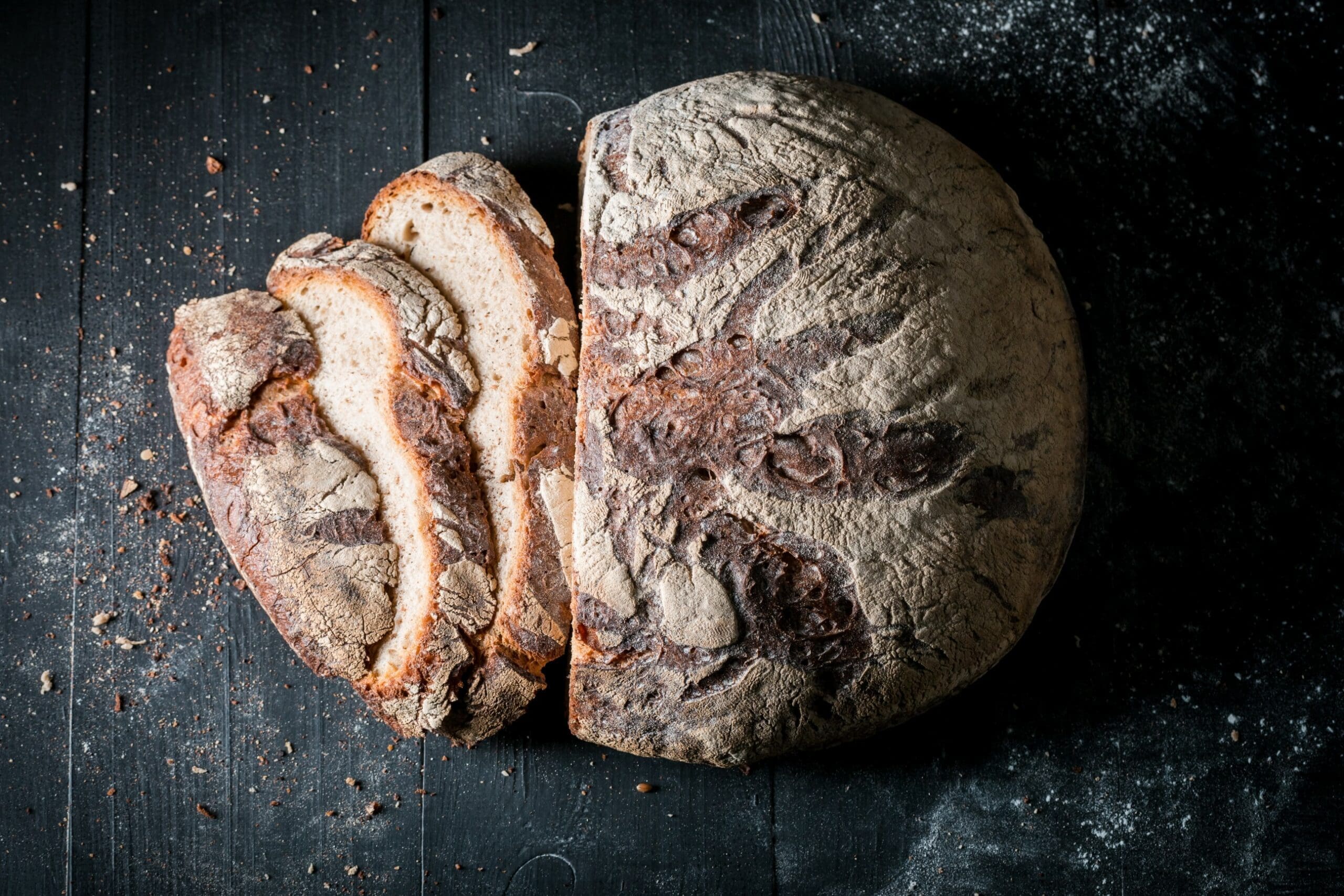
Sourdough (the traditional, slow-fermenting, artisan-produced) bread is a chewy, sour-tasting bread produced using a starter culture containing natural bacteria and yeasts (rather than commercial baker’s yeast). Many sourdough loaves are based on rye flour, but others feature white or wholegrain flours.
We should keep some bread in our diet, as many breads have added ingredients, such as extra grains, soy, seeds, olives, nuts and fruit as well as yeast and salt (needed for the action of the yeast). More highly processed breads may contain added fats and associated emulsifiers and a range of permitted chemicals to keep the bread soft and delay staling.
Nutritional composition of bread
Bread is a valuable source of protein, carbohydrate, dietary fibre, many B group vitamins and some minerals.
Much of the bread eaten in Australia is made from wheat.
| The wheat grain consists of 3 main components | |
|---|---|
| bran | the outer layer of the seed which contains much of the fibre |
| germ | the small part of the seed from which a new plant would grow. This contains vitamins (including vitamin E) and minerals. |
| endosperm (the kernel) | the largest portion of the seed – mainly starch and protein, this provides the nutrition for the growing seed |
The nutritional value of bread depends largely on how the grain is treated during the milling process to make the flour. During milling, the bran and germ can be removed, leaving the starchy endosperm which is ground to make white flour. In Australia, white flour used for bread is not bleached.
| Choosing bread | |
|---|---|
| White bread | is made from white flour ground from the endosperm only. |
| Wholemeal bread | is made from flour in which the entire grain is ground. |
| Wholegrain bread | has a small amount of unground grain left in the flour. However, in Australia, the label “wholegrain” can be used to describe foods which have been completely milled or ground, as long as the entire grain is used and the grain constituents are still there in their original proportions. See the effect this has on the glycaemic index (GI ) of the bread, below. |
| Multi-grain bread | is usually made with white flour with a mixture of whole grains added, usually wheat and rye – it’s basically white bread with added grains. |
Bread made with wholegrain flour generally has more fibre, vitamins and minerals, especially iron, than white bread, however, white flour breads in Australia still contain a significant nutrient content.
Glycaemic Index of bread
The GI ranks foods according to the extent to which they cause blood glucose levels to rise. The concept is particularly important for people with diabetes and especially relevant for foods that form the basis of a meal.
- White flour has a high glycaemic index (GI) which makes most white breads less suitable for those with diabetes and also for those who lead sedentary lives. Physical activity increase the chances of using the glucose that results from consuming bread as fuel. The dough conditioners (often called rapid dough risers) added to commercial sliced loaves decrease the fermentation time and change the nature of the starch granules in bread, increasing its GI.
- Traditional slow-fermented sourdough breads tend to have a low GI.
- Most wholemeal bread is made from white flour recombined with wheatgerm and bran in approximately the same proportions as the original wheat. These loaves contain the nutrients of the original wheat, including the overall level of dietary fibre, and can legally be labelled as wholemeal, but the disruption of the original grain makes the carbohydrate easier to breakdown in the intestine and raises the GI.
- Wholegrain breads that contain whole grains are low in GI, because the seeds and grainy ‘bits’ slow down the digestive process.
- Multi-grain breads, despite being made with white flour, can have quite low GI because of the added grains.
Supplementation of bread
Wheat flour used in bread-making in Australia must be supplemented with folic acid (except flour labelled “organic”) and thiamin, and the salt used must be iodised salt (again, this is optional in ‘organic’ loaves).
Salt in bread
Because it is widely consumed, bread is a major source of salt in the Australian diet. This is a concern as a high-salt diet is known to be linked to high blood pressure and increased risk of heart disease. For this reason, leading bread manufacturers have voluntarily agreed to reduce sodium in their bread products to 400 mg per 100 g or less by the end of 2013. Note, however, that many foods, including fast foods, soups and sauces contain much higher concentrations of added salt.
Tips for buying bread
- Look for the first ingredients in the list – as the ingredients are listed in order of quantity used. Depending on what type of bread you want, look at the flour used and additives. Whole grains and seeds in the bread add extra nutritional value and reduce the GI.
- “Wheat flour“ essentially means white flour, whereas “wholemeal” flour is flour where the whole grain is used, usually by recombining white flour with bran and wheatgerm. Wholegrain flour may be made by grinding the whole wheat grain rather than recombining the elements of the wheat grain. Also, look for the percentage of the flour, as further down the list you may find other flours in lesser amounts if the bread is made with mixed flours.
- Look for salt content – a slice of some breads can contain as much as 580 mg sodium. The Heart Foundation recommends choosing breads that have 400 mg sodium or less per 100 g.
- High fibre content is a nutritional advantage and wholegrain breads usually have at least 6 g or more per 100 g.
- All you really need to make bread is flour, yeast, water and salt, however, supermarket breads have various additives and preservatives added to extend shelf life and to improve the look, texture and taste of bread.
- The list of ingredients can include sugar, added vitamins and minerals, dough improvers (make the dough rise more rapidly), emulsifiers (keep the fat evenly distributed in the bread) and various preservatives or mould inhibitors (usually used in summer or humid areas of Australia). In some countries, brown bread is coloured but this is no longer the case in Australia.
- If you are buying bread from a bakery and it’s unlabelled, you can ask the baker what has been added to the loaf. Some national bread chains list the nutritional composition of their breads on their websites.
- With sourdough, there is no regulation in Australia, so make sure you ask the baker if it’s authentic slow-fermented sourdough. Traditional sourdough contains just flour, salt and water and is made from a starter piece of dough containing natural or some added yeast. Many supermarket sourdoughs are more like regular white breads made using commercial baker’s yeast and flavoured with vinegar to give them a slightly sour taste. A proper sourdough is chewy, unlike the versions which just melt in your mouth and are high GI.
Health benefits of keeping bread in our diet
Consuming wholegrain and high cereal fibre daily is associated with several health benefits:
- reduced risk of heart disease;
- reduced risk of type 2 diabetes;
- reduced risk of bowel cancer in adults;
- preventing weight gain.
Bread and gluten
Gluten is a protein found in wheat, rye and barley and therefore, in most breads. Oats contain a related protein which can cause reactions in those with gluten intolerance.
Despite our current obsession with gluten-free foods, the number of people who have been clinically diagnosed with coeliac disease and who must therefore avoid all gluten is small. Some estimate that it may be as high as 1 person in every 100, although that figure has yet to be confirmed in any large studies in Australia.
Nevertheless, some people report that eating bread causes them to feel bloated and have digestive disturbances. If you have trouble after eating wheat-based products, such as bread, cereals, couscous, tabbouli or pasta, talk to your doctor or a registered dietitian about whether you might have coeliac disease or wheat sensitivity.
Proper medical diagnosis using appropriate testing for coeliac disease is important before trialling a gluten-free diet. If testing rules out coeliac disease, your doctor or dietitian may suggest you trial a wheat-free diet to see if symptoms subside. But, always consult your doctor or dietitian before making any big change, like this, to your diet, as the symptoms may have another cause and there there may be nutritional considerations you haven’t thought of.
What do you think, should we reconsider bread in our diet?
