
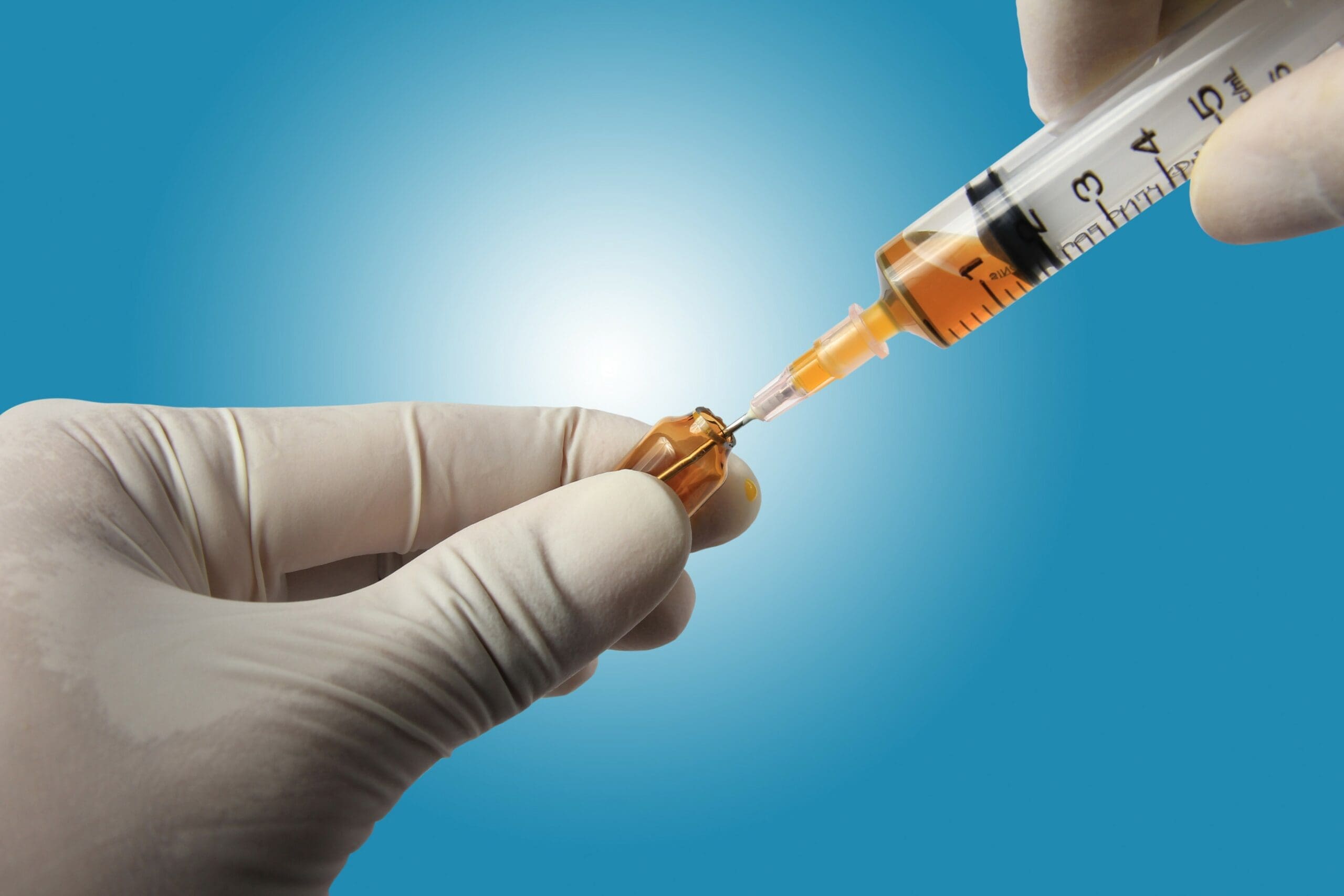
Tetanus is a disease caused by a bacterium called Clostridium tetani. The bacteria secrete a neurotoxin that affects the central nervous system and causes muscular contractions so fast that they can’t be distinguished from each other and become one continuous spasm.
Many of us are aware that if we hurt ourselves while gardening or doing household repairs, we may be susceptible to tetanus infection. But how many of us are up to date with our tetanus immunisations? Tetanus can be fatal but it is preventable by vaccination.
Symptoms
Symptoms of tetanus may appear one to 21 days after infection, and include:
- Contraction and stiffness in the jaw muscles, making it difficult to open the jaw, hence the old-fashioned name for tetanus, which was lockjaw.
- Difficulty breathing;
- Difficulty talking and swallowing;
- Painful violent muscle spasms;
- Pain in the shoulders, neck and back.
Tetanus-prone wounds
Wounds carry a tetanus risk if they are deep, involve a compound fracture, or there is a possibility that they are contaminated with soil, dust or manure (the bacterium that causes tetanus lives in the soil). However, tetanus infection can occur after seemingly trivial or unnoticed wounds, which is why it is so important to keep up with vaccinations. Clean minor cuts are not considered tetanus prone.
Some types of wound that would put a person at risk of tetanus are:
- gardening wounds, e.g. a rose thorn;
- wood splinters;
- punctures from metal nails;
- bite wounds;
- burns; and
- wounds contaminated with soil, dust or manure.
Who gets tetanus?
Tetanus is rare in Australia – most deaths occur in people over 70 who have never been vaccinated, or who were vaccinated a long time previously. Tetanus is uncommon in people who have beren vaccinated in the last 10 years, but it can happen.
Tetanus vaccination
The current Australian National Immunisation Program Schedule includes free tetanus vaccination in childhood. It is given as a 3-dose course at 2, 4, and 6 months of age, with boosters at 4 years and at 10-15 years.
If you received your course of 3 doses as an adult, you should receive booster doses 10 and 20 years after the first injection.
The Schedule recommends that all adults should receive a booster at age 50 — unless they have already had a tetanus booster in the previous 10 years.
Adults who receive wounds that are at high risk of becoming infected with tetanus should have a tetanus booster if they haven’t had one within the past 5 years.
Travellers to underdeveloped regions of the world should have a tetanus booster if they haven’t had one in the past 10 years, or 5 years if they will be at high risk of a tetanus-prone wound (e.g. working on farms, with animals) while away.
Check when you last had a tetanus vaccination! If you’re not sure, ask your doctor for advice.
