
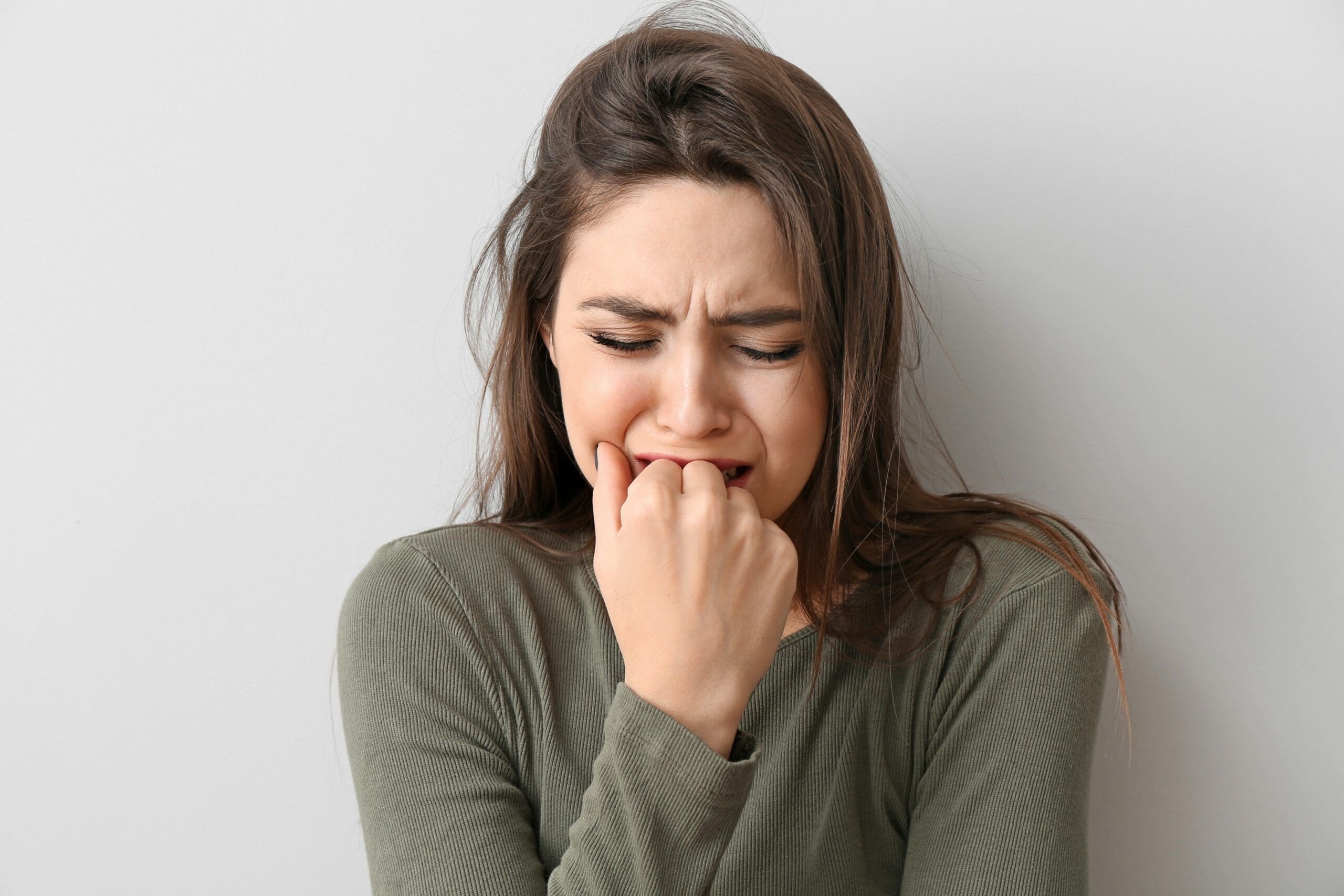
Suicide in Australia
Suicide means not only a tragic loss of a life, but also great sadness and soul-searching by the family and friends and community of the person who has died. Over 2,800 Australians died by suicide in 2016. For every person who dies this way, it is estimated at least 20 more attempt suicide.
Death by suicide is highest for men over 80. Men make up around three quarters of deaths by suicide, although attempted suicide is more common in women than men.
Suicide and mental illness
Around 20% of Australians are affected by some form of mental illness every year, yet many do not receive the treatment and support they need. The suicide rate among people with a mental illness is at least seven times higher than the general population. It is one of the main causes of premature death in this group.
Many people who die by suicide have experienced a mental illness. Often people who are considering suicide are dealing with a combination of poor mental health and difficult life events. But with effective treatment, social support and time, many who have tried to end, or considered ending their lives can go on to live full and productive lives.
Why people feel suicidal?
For people with a mental illness, the distress caused by the illness can be so great they may feel an overwhelming desire to end their life. People recently discharged from psychiatric care are at higher risk of suicide. Knowing someone who has recently died by suicide may also increase risk.
Suicide can also be related to distressing life events such as unemployment, relationship breakdown, being in debt or social isolation. Sometimes people feel like they are a burden to others and that loved ones would be better off without them. A suicide attempt may be an early sign of a mental illness developing, so it is important to get help from a doctor. For someone with a mental illness, the following may contribute to the risk of suicide:
Depressive illness
Many people who attempt suicide will have experienced major depression or bipolar disorder.
Psychotic symptoms
Some may attempt suicide because they are confused and distressed by hallucinations or delusions, or to bring ‘relief’ from untreated psychotic symptoms.
Borderline personality disorder (BPD)
People with Borderline Personality Disorder (BPD) may harm themselves or behave in a suicidal way. Some find self-harm brings temporary ‘relief’ from their distress. This is a symptom of the disorder and requires treatment from a health professional.
Drugs and alcohol
The abuse of drugs (such as marijuana, heroin or amphetamines) and alcohol is closely related to suicidal behaviour.
What is self-harm?
Self-harm means any behaviour which involves the deliberate causing of pain or injury to oneself. Self-harm is usually a response to distress – often the distress associated with mental illness or trauma. In the short-term, some people find that it provides temporary relief from the psychological distress they are experiencing. While people who self-harm do not necessarily mean to kill themselves, it often becomes a compulsive and dangerous activity, and requires careful professional help.
Self-harm includes cutting, burning or hitting oneself, binge-eating or starvation, or repeatedly putting oneself in dangerous situations. It can also involve abuse of drugs or alcohol, including overdosing on prescription medications.
Why do people harm themselves?
Self-harm is often a response to feelings of extreme psychological distress or emotional pain. It may provide short-term relief from these feelings. It may be an attempt to express or even control them briefly. It does not resolve them, however, and can become a compulsive and dangerous activity.
While people who self-harm may not intend to end their lives, the consequences of this risky behaviour can be fatal, and it needs careful assessment and care by a health professional.
How do you get help if you self-harm?
As well as being physically dangerous, self-harm is often a sign that the person needs help for a mental health problem associated with the behaviour. This might be an anxiety disorder, depression or some other condition. It is therefore very important to see a GP or other health professional for an assessment and diagnosis, and to discuss a treatment plan. Treating the underlying causes will help make a long-term difference to reducing and stopping the impulse to self-harm.
Treatment is likely to involve seeing a psychologist who is an expert in this area, and will know how to best help the person, as well as help them to help themselves.
It’s a good idea to prepare for seeing a doctor by talking to a trusted person about the self-harming behaviour. This might be a family member or friend, or a suitable person at school or work. It’s also helpful to request a longer appointment, so there is time to talk, and take along some simple notes – for example, detailing how long the self-harming has been going on, and any other feelings or events which may be associated with it.
Because self-harming behaviour is risky and possibly life-threatening, do not hesitate to call emergency services on 000 if necessary.
Are there alternatives to self-harm?
It can be hard for people who self-harm to stop it by themselves. That’s why it’s important to talk to someone and see a doctor. It can help to try alternatives to self-harm which can relieve distress in the short term.
These include:
- Delay: for example, put it off until you have spoken to someone
- Distract: for example, go for walk, play a game
- Divert: for example, find an activity which has a similar effect to self-harm, but without causing injury, such as punching a pillow, drawing on arm instead of cutting, squeezing an icecube
- Deep breathing: or other relaxation method
These are not solutions to self-harm but can be useful as short-term alternatives while receiving treatment, and should be discussed with the treating doctor or psychologist.
How do I help someone who self-harms?
People who self-harm may be secretive or feel ashamed about their behaviour. It helps to talk calmly and non-judgmentally about your concerns.
- Encourage the person to see a doctor or other health professional about the self-harming
- Suggest options for getting help, rather than directing the person what to do
- Do not hesitate to call emergency services on 000 if you think the person is at risk of serious injury
- Remember that you cannot stop someone from self-harming and it is not your responsibility when they do. You can only do your best to encourage them to get help
Resources
Crisis resources
Kids Helpline 1800 55 1800
Lifeline (24-hour crisis telephone counselling) 13 11 14
Suicide Callback Service 1300 659 467
Call 000 for urgent medical attention or police attendance
