
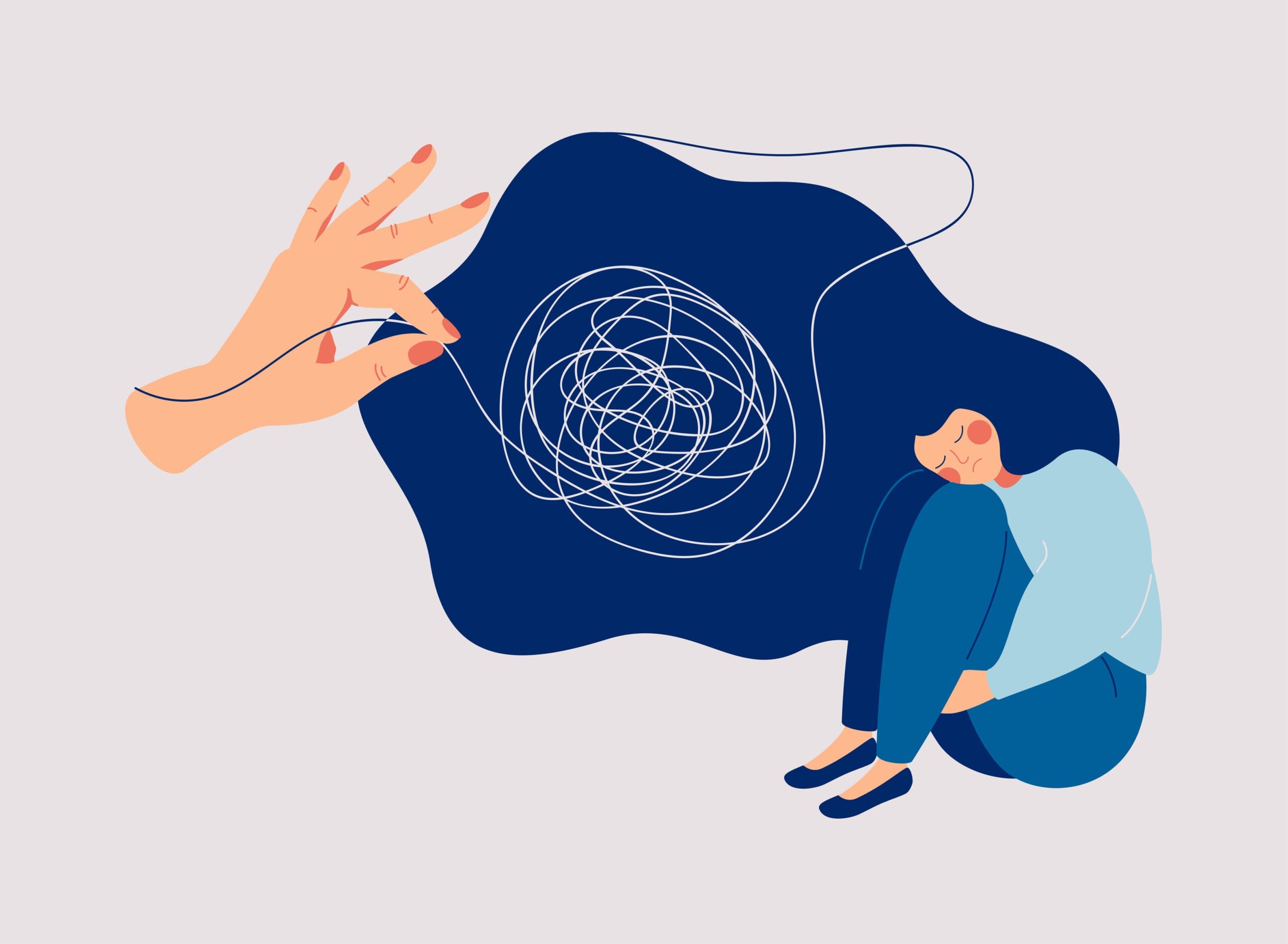
What is depression?
Depression is more than just feeling down or low. It is natural to temporarily feel ‘down in the dumps’ from time to time, especially if you are going through an upheaval, loss or stressful situation. Some people refer to this as ‘feeling depressed’. However, if these feelings are intense and persist over weeks or months, and if they stop you enjoying or even doing your normal activities, it’s likely that you have depression.
Depression is a serious illness that can have a great impact on your everyday life. It’s not something you can normally ‘just snap out of’. Worldwide, depression is among the leading causes of disability. As well as being disabling in its own right, depression is a risk factor for self-harm and suicide, and also for coronary heart disease (where plaque builds up in the arteries supplying the heart muscle).
How common is depression?
Depression is very common. On average, more than one in 5 people in Australia will experience depression in their lifetime. So, if you have depression, you’re by no means alone.
What are the symptoms of depression?
| The symptoms of depression | |
|---|---|
| Key symptoms | Other symptoms |
|
|
Not surprisingly, if you are experiencing these symptoms, you may stop doing things you previously enjoyed and, if the symptoms are severe, you may find it hard to communicate with others. In this way, depression can lead you to withdraw socially and become isolated. You may feel overwhelmed and be struggling to keep on top of things at work or at home.
Depression can also have other symptoms like headaches and muscle pains, indigestion, constipation or diarrhoea and lowered sex drive. If these physical symptoms are more obvious than feeling unhappy, people may not even realise they are depressed.
What causes depression?
Depression is a complex illness, and doctors can’t say definitively what causes it. Experts know that an imbalance in brain chemicals called neurotransmitters (such as serotonin) can be a feature of depression, but that is not the whole picture.
Severe depression also seems to be related to structural problems in the brain that mean that the connecting networks that links different parts of the brain are disrupted.
Recently, researchers are focussed on ongoing inflammation in the body as a risk factor. Factors such as genetic characteristics make a person more vulnerable to developing depression and external factors like those described below can contribute to a person developing depression.
While depression can be triggered by a stressful life event in some people, it develops ‘out of the blue’ in others.
Genetic factors
Some people may have a genetic tendency to develop depression. However, depression does not always run in families, and not everyone with a family history of depression will become depressed.
Stress and stressful life events
Unhappy experiences in childhood or in relationships can increase the risk of depression, while good experiences such as a close relationship with a parent or friend or feeling that you have a ‘purpose in life’ can be protective.
Stressful life events such as the loss of a relationship or job, as well as stress in general can increase your risk of depression.
Unhealthy eating
Eating an unhealthy diet that contains many processed foods can increase your risk of developing depression. This may be due to a lack of important nutrients, and also partly because of the effects an unhealthy diet can have on the balance of helpful versus harmful bacteria in your gut. Scientists are exploring how these microorganisms affect the gut-brain axis – the 2-way signalling between the brain and the gut.
Eating well can actually reduce your risk of depression.
Lack of physical activity
Not getting enough physical activity increases your risk of developing depression.
Sleep problems
Not getting enough sleep and poor quality sleep can trigger depression in some people. Lack of sleep also makes symptoms of depression worse.
Medicines
In some people, depression can be triggered by the use of certain medicines, including some medicines to control high blood pressure, sleeping tablets and occasionally the oral contraceptive pill.
Alcohol, smoking and recreational drugs
The relationship between these substances and depression is complex and not fully understood. Some people with depression find themselves relying on recreational drugs or alcohol to cope with their symptoms. However, as well as causing many health problems of their own, these substances can actually contribute to depression. This may be because of their actions on brain neurotransmitters—chemical messengers that allow nerve cells to communicate with each other.
Smoking has also been shown to increase the risk of developing depression – you should strongly consider quitting to reduce your risk as well as improve your health overall.
Chronic (long-lasting) illness
Illnesses such as diabetes, heart disease, stroke, cancer and Alzheimer’s disease can increase the risk of depression, as can an underactive thyroid.
Personality
Certain personality tendencies such as being overly dependent, self-critical, pessimistic or easily overwhelmed make you more likely to become depressed.
What types of depression are there?
Depression can be classified into different subtypes, mainly based on the symptoms experienced. Here are some terms you may come across.
Major depressive disorder (MDD)
Major depression means at least 2 weeks of low mood and/or loss of interest in activities, accompanied by at least 4 of the ‘other’ symptoms described in the second column of the table above. People with major depression have some level of distress and find it hard to function in their daily lives. Episodes of depression can be mild, moderate or severe.
Melancholic depression
Melancholia is form of severe depression that often involves both mental and physical slowing down. Physical symptoms can include slowing down of movements, speech, and even your body functions (often resulting in lack of appetite, significant weight loss and constipation). Some people with melancholia feel restless. People with melancholic depression often have a complete loss of pleasure in all (or almost all) activities and feel excessively guilty.
Psychotic depression
People with this uncommon type of depression have a severely depressed mood. The hallmark of this type of depression is psychosis, meaning that the person’s mental state is distorted and that they have lost touch with reality. Someone with psychotic depression may have hallucinations (such as hearing voices saying bad things about them) or, more commonly, delusions (fixed, firmly held false beliefs, often very disturbing in their nature, such as believing they are the cause of certain bad things happening in the world).
Persistent depressive disorder (PDD)
Persistent depressive disorder (sometimes called dysthymia) is diagnosed if you have had at least 2 years of depressed or irritable mood for most of the day on more days than not. The symptoms are similar to depression but not as severe.
Atypical depression
This form of depression has slightly different symptoms than the typical form, and tends to occur earlier in life. Most people with major depression have trouble sleeping and lose their appetite; in contrast, people with atypical depression tend to oversleep and overeat. In addition, in most cases of major depression your mood remains flat despite what may be happening in your life; however, in atypical depression, although you are predominantly sad, your mood may fluctuate in response to specific events.
Other depressive disorders
Other disorders that feature depression include antenatal and postnatal depression; bipolar disorder; seasonal affective disorder; and adjustment disorder (a period of distress following a stressful life event).
What should I do if I think I have depression?
You may feel reluctant or embarrassed to seek advice, but remember that depression is common, and getting help for depression is not a sign of weakness.
Depression is not something you can treat on your own, and it is important that you seek help from a general practitioner (GP) or mental health professional. Your GP is often the best person to speak to first, and it’s a good idea to ask for a long appointment so that you have time to talk things through, complete an assessment and discuss treatment options. Your GP may refer you to a specialist such as a psychiatrist (doctor who specialises in mental health) or psychologist (professional therapist specialising in psychological therapy), or to a local specialist mental health centre.
If you are thinking about harming yourself, you should contact your mental health centre or GP immediately. If they are not available, call a telephone support line such as Lifeline or Kids Helpline – see the numbers at the foot of this article. You can also contact your local public mental health crisis assessment team (CAT team) or go to the nearest hospital Emergency Department.
What treatments can help depression?
The kind of treatment that your doctor suggests will depend on the type and severity of your depression, your general health and any other illnesses you may have.
Lifestyle adjustments are an important aspect of treatment for depression. It’s important to make sure that you are getting adequate sleep, eating healthy foods and getting enough physical activity. Making lifestyle adjustments may be all that’s needed to help some mild forms of depression, and all people with depression can benefit from healthy lifestyle changes.
Your doctor will also want to make sure that you are not taking any medicines or drugs that could be causing your depression or making it worse.
Antidepressant medicines can be prescribed by GPs and psychiatrists and are one of the most common treatments for depression in Australia.
Psychological treatments (talking treatments) involve changing the way you think about things and giving you strategies to cope with depression.
What psychological therapies can help with depression?
Some of the different types of psychological therapies that can be used to treat depression include the following.
- Cognitive-behavioural therapy (CBT) aims to replace unhealthy, negative thoughts and behaviours with healthy, positive ones. CBT can help break the habit of negative thought patterns that impact on your mood.
- Interpersonal therapy (IPT) focuses on your current relationships with other people and aims to improve your interpersonal skills — how you relate to others including family, friends and coworkers.
- Mindfulness-based cognitive therapy is a newer type of therapy that may be especially helpful for people prone to worry.
Psychological therapies are usually given by psychologists (health care professionals trained in psychology). Your GP can give you a referral to a psychologist, but you can see a psychologist without a referral.
Some GPs with special training may also be able to offer psychological therapies, especially techniques such as structured problem-solving or stress management.
There are also online programs available to help in the treatment of depression. Some programs are specifically developed for treatment in children and teenagers. Online programmes are especially useful for people who live in remote areas with limited access to psychological services. Some examples of programs include:
- web-based CBT;
- online counselling;
- online support with self-help strategies; and
- online group chats and information sessions.
There are also mobile apps available that offer a variety of features such as help with tracking your moods, help with identifying negative thinking and improving thinking habits, and practicing mindfulness and meditation.
Can diet help with depression?
The short answer is yes. Eating a healthy, balanced diet can prevent depression and can also help treat symptoms in people who have depression.
What should I eat?
Eating plenty of varieties of fresh food is best. One type of diet that has been shown to reduce the risk of depression is the Mediterranean diet. It involves eating lots of fruit and vegetables, legumes such as lentils and chickpeas, cereals and nuts, as well as fish, olive oil, and small serves of meat and dairy. A traditional Japanese diet has also been linked to lower rates of depression.
Some nutrients that may help with depression include omega-3 polyunsaturated fatty acids, folate and zinc. Omega-3 polyunsaturated fatty acids’ antidepressant effects are due in part to their effects on brain chemistry, which is similar to that of some antidepressant medicines. They also have anti-inflammatory effects, help form new brain cells and develop connections between nerves. Folate and zinc can help improve symptoms of depression when given together with antidepressants.
Zinc is found in many foods, including grains, meat, fish, eggs, nuts and dairy. You can get folate from dark green leafy vegies, and omega-3 fatty acids are found in fish as well as some nuts and seeds.
A healthy diet may also contribute to improved mental health by helping establish a healthy gut microbiota (population of microbes in your gut) – see below.
Should I take supplements?
In many cases you can get adequate amounts of vitamins and minerals from a balanced, healthy diet. However, a nutritional supplement such as omega-3 fatty acid, folate and zinc may be taken together with antidepressants in some circumstances.
Always check with your doctor before taking any supplements.
What about prebiotics and probiotics?
Prebiotics are certain types of dietary fibre that stimulate the growth and/or activity of certain ‘good’ bacteria in your gut. Examples of prebiotics include beans, certain fruits and vegetables, some nuts, rye bread and pasta.
Probiotics are live, ‘good’ bacteria that are found in foods such as yogurt and also in probiotic supplements. Probiotics can help to restore the balance of ‘good’ bacteria in your gut.
You may well ask what gut bacteria has to do with depression. Well, it’s known that your brain and gut communicate with each other – this is known as the gut-brain axis. The balance of microbes in your gut (gut microbiota) can influence the gut-brain axis and disrupt brain chemicals that are involved in depression. So, if your gut microbiota is unhealthy, this can influence your mood in a negative way.
Anything that improves mental health by positively influencing your gut microbiota may be referred to as a psychobiotic. Examples of psychobiotics include probiotics, prebiotics, exercise and reducing stress. At this stage, the evidence for the effects of prebiotics and probiotics on mood is limited. However, there are promising signs that they may be useful in the treatment of depression.
What can I do to help myself?
There are several things you can do to help manage depression.
- Have regular appointments with your doctor, who will monitor your progress, support you, and adjust your medicines if necessary. A trusting relationship with your doctor is helpful, so it’s important to be honest about how you are feeling and to tell them about any side effects of treatments.
- Take your medicine as prescribed. You may need to try several medicines to find the right one, and it may take several weeks till you start seeing results. It is important though that once you do start to feel better, you continue to take your medicine as long as advised — this helps reduce the risk of relapse. Don’t stop taking medicine for depression without first discussing it with your doctor or specialist.
- Be able to recognise signs that your depression may be coming back or getting worse, and let your doctor know straight away if this happens. It may help to keep a symptom diary.
- Try to avoid becoming isolated. Make the most of family and friends’ support. You can also try a support group – either in your area or online.
- Maintain a healthy lifestyle. Eat a balanced diet, and try to get the right amount of sleep and exercise. It may seem difficult to motivate yourself, but exercise can help treat depression and help you relax. It can also be helpful to reduce the amount of stress in your life if that is possible.
- Avoid alcohol, smoking and recreational drugs. These can hinder your recovery and can have detrimental effects on brain function. Quitting smoking reduces depression symptoms.
How long does depression last?
On average, an episode of major depression lasts 4 to 8 months, although this duration can be shortened by treatment. Most people recover within 3 to 6 months with treatment, although it can take longer than this for some.
How can you help someone with depression?
It can be difficult to know exactly what to do if you think someone close to you may have depression. If you are concerned, here are some suggestions on how to help.
- Spend time with them and let them know you care about them.
- Talk with them about how they are feeling. Listen to what they are saying without being judgemental. Be reassuring and supportive – someone who is depressed may have difficulty talking about what they are experiencing and feel sensitive or defensive.
- Let them know that you have noticed a change in their behaviour and that you are concerned about them. Ask them what they need from you.
- Suggest they talk to their doctor or a mental health professional. Offer to help them make an appointment and go with them. Young people may consider talking to a school counsellor or youth worker.
- Suggest talking to an anonymous phone support line if they are reluctant to seek professional help initially.
- Find out about depression together, or help them get information on depression and its symptoms.
- Encourage them to stay involved with their usual routine and enjoyable activities as much as possible.
- Encourage activities that help promote mental and physical health – healthy eating, physical activity, and regular sleep.
- Discourage the use of alcohol and drugs as a way of dealing with distressing symptoms.
- Ask direct questions if you are concerned about suicide. If there is a risk of self-harm or suicide, make sure someone stays with the person and get medical help straight away.
What not to do when someone has depression
- Don’t put pressure on them or tell them to ‘snap out of it’.
- Don’t avoid them.
- Don’t assume the problem will go away on its own.
- Don’t encourage the use of alcohol or drugs.
What is the outlook for people with depression?
Depression can come and go – many people who have had one episode of depression will have another episode at some time in their lives.
The pattern of relapse (recurrence) of depression varies — some people have long periods free of depression, others have clusters of episodes, and still others have more episodes as they get older.
Nonetheless, most people with depression can be treated successfully and ongoing treatment can help prevent relapses. With proper treatment, most people improve and can get back to their normal lives.
Mental health helplines
If you or someone you know is feeling distressed and/or having suicidal thoughts, see your doctor, phone one of these helplines or click on the links below for online web chat counselling or support. Call 000 if life is in danger.
| Lifeline (24 hours) | 13 11 14 |
| Kids Helpline (for young people aged 5 to 25 years) | 1800 55 1800 |
| Beyond Blue Support Service (24 hours) | 1300 22 4636 |
| MensLine Australia (24 hours) | 1300 78 99 78 |
| SANE Helpline – mental illness information, support and referral | 1800 187 263 |
| Suicide Call Back Service (24 hours) – free counselling support | 1300 659 467 |
