
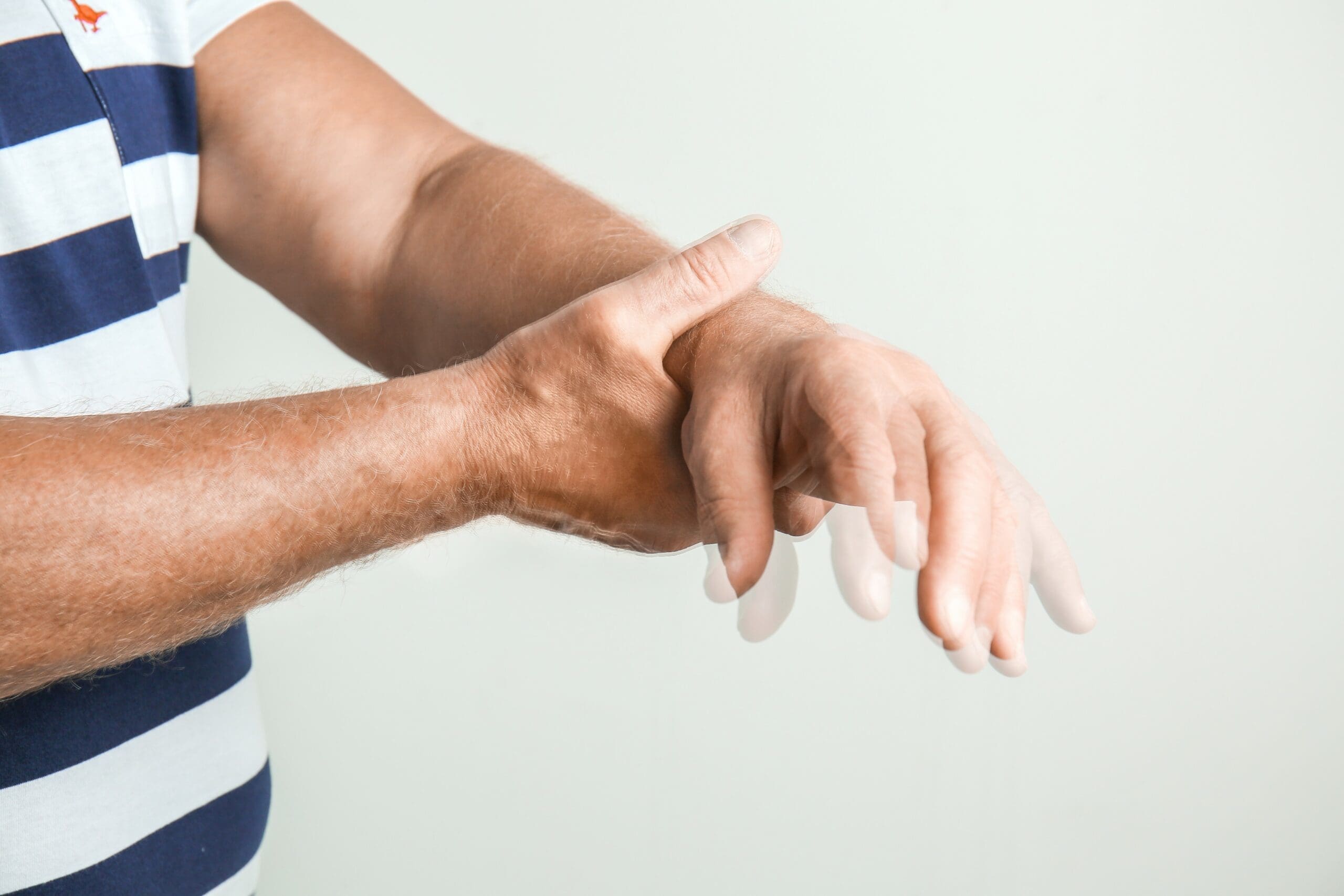
Although there is no cure for osteoarthritis, a number of treatments are available.
The main aims of treatment are to:
- improve movement;
- control pain;
- prevent disability; and
- achieve a healthy body weight and a healthy lifestyle.
Treatment options may vary depending on which of your joints are affected by osteoarthritis, and the severity of your symptoms.
Exercise
Exercise can help to improve function and reduce pain in osteoarthritis. There are different types of exercise, including strengthening exercises (which strengthen the muscles around the joint), range-of-motion exercises (which help keep the joints mobile) and aerobic exercises (which improve cardiovascular fitness).
Exercising in water can be a good choice for people with arthritis, as the joints are not put under strain due to the support provided by the water. Hydrotherapy is a type of water exercise usually offered by physiotherapists, often in a group format.
Exercise programmes need to be tailored to the individual, depending on your age, general fitness and other medical problems. Your doctor or physiotherapist will advise you as to what exercises you should do.
Weight control
People with osteoarthritis who are overweight should try to lose weight. This will help to reduce the stress on weight-bearing joints such as the hip and knee.
Regular exercise as well as a healthy diet can help with weight control.
Heat and cold
Ice packs, cold packs or heat packs can be used to relieve arthritis pain and allow people to continue with or resume physical activity. Cold packs can also reduce swelling and inflammation and relieve muscle spasms, while heat packs can relieve joint stiffness, relax your muscles and stimulate blood circulation.
Physical interventions
You may get short-term pain relief from physical interventions such as massage, walking sticks, knee taping and braces. However, there is limited evidence from clinical trials for the effectiveness of these treatments.
Transcutaneous electrical nerve stimulation (TENS) is a treatment that uses low voltage electrical currents, passed through electrodes that are taped to the skin, to block pain messages from reaching your brain. TENS can help treat pain and stiffness associated with osteoarthritis of the knee.
Rest
It’s a good idea to pace your activities and spread out any physically demanding tasks over the course of the day with breaks in between to relieve stress on affected joints. Avoid activities that cause pain or require repetitive use of affected joints.
Acupuncture
Acupuncture may improve pain and function in people with osteoarthritis, although the benefits may be small.
Medicines
A number of medicines are available for relieving pain in osteoarthritis, including both over-the-counter and prescription medicines. A lot of research is being conducted to see if medication can not only reduce pain and inflammation but also modify the disease process in osteoarthritis.
Paracetamol is the medicine of first choice for treating pain in osteoarthritis. If the pain doesn’t respond to paracetamol, an oral non-steroidal anti-inflammatory drug (NSAID) or COX-2 inhibitor (selective NSAID) may be prescribed.
However, because of side effects, not all people are able to take anti-inflammatory medicines. These medicines should be used at the lowest possible dose for the shortest possible time. Topical NSAIDs in the form of creams or gels are also available.
Sometimes a corticosteroid injection may be given into the joint to reduce inflammation. Hyaluronic acid may sometimes be injected into the joint to treat the pain in osteoarthritis of the knee.
Strong analgesics (painkillers) are available on prescription for severe pain in osteoarthritis that hasn’t responded to other treatments.
Supplements
Many people have tried glucosamine and chondroitin sulphate for treating osteoarthritis of the knee. It is thought that these supplements may help relieve pain and prevent or slow down the breakdown of cartilage in osteoarthritis. However, the weight of evidence from high quality studies on glucosamine indicates a lack of efficacy, therefore most key bodies do not recommend its use in osteoarthritis. There is the potential for serious allergic reactions in people with shellfish or seafood allergy. Chondroitin is not recommended either, as the quality of the evidence is very low. There is one trial that shows it was effective against pain in osteoarthritis of the hand.
Surgery
Joint replacement surgery, such as hip replacement or knee replacement, may be recommended in cases in which medical therapies haven’t been effective in managing pain and disability.
Your doctor will advise you as to what treatment is most appropriate in your case.
