
What is emphysema?
Emphysema is a chronic (ongoing) condition affecting the lungs. In people with emphysema, the walls of the tiny air sacs in the lungs (alveoli) become gradually damaged, causing breathing difficulties. Smoking is the main cause of this condition.
Most people with emphysema also have chronic bronchitis. These 2 conditions together are called chronic obstructive pulmonary disease (COPD). About 1 in 7 Australians aged 40 years or older has some form of COPD, but many do not know they have it. Emphysema is most often diagnosed in people aged in their 50s or older.
There is no cure for emphysema, but there are treatments available to relieve symptoms and prevent further lung damage.
Symptoms of emphysema
The most common symptom of emphysema is shortness of breath. The feeling of being breathless or short of breath usually develops gradually. Most people only notice it at first when exerting themselves, but over time become breathless even after mild exertion.
People with severe emphysema may feel breathless when resting. The shortness of breath may become disabling and lead to a drastic restriction of daily activities. People with advanced emphysema may also develop a ‘barrel-shaped’ chest.
Most people with emphysema also have chronic bronchitis, which causes a chronic (ongoing) cough. Wheezing is another common symptom in people with chronic bronchitis and emphysema.
Sometimes complications can develop, such as a collapsed lung or pulmonary hypertension (high blood pressure in the blood vessels that carry blood to the lungs). Pulmonary hypertension can eventually result in heart failure.
What happens to the lungs in emphysema?
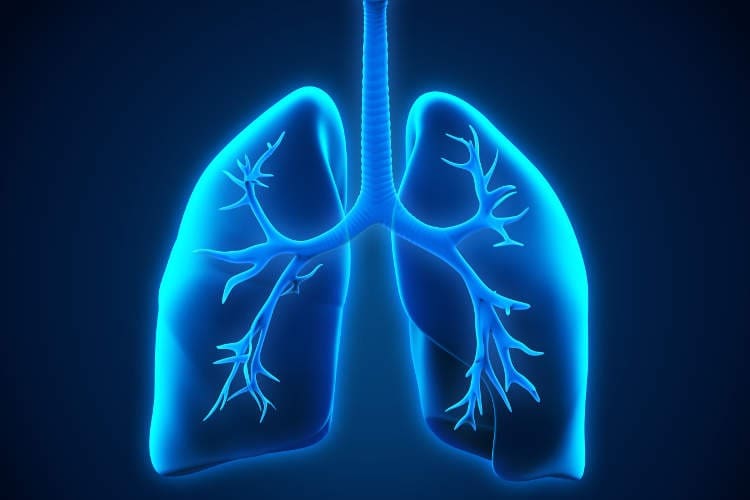
When you breathe in, air is sucked down through your airways (the bronchi and bronchioles) and into the lungs. The air sacs at the end of the smallest airways are called alveoli. This is where oxygen is transferred to the bloodstream and carbon dioxide is removed from the bloodstream.
In emphysema, the walls of the alveoli become damaged and less elastic. As the air sac walls become weaker, they can break, which creates much larger air sacs that are less effective at transferring oxygen and carbon dioxide.
Damage to the walls of the alveoli can also mean that the tiny airways (bronchioles) are no longer propped open when you breathe out. This can result in oxygen-poor air getting trapped in the lungs, leaving less space for fresh, oxygen-rich air to get in.
What causes emphysema?
Emphysema comes on gradually, developing over many years. The single most preventable cause of emphysema is cigarette smoking, with a very high percentage of people with the condition being smokers. Being exposed to smoke from other people smoking (second-hand smoke or passive smoking) also increases your risk of getting emphysema.
Exposure to industrial pollutants (certain dusts and chemical fumes) in the workplace and air pollution can also cause emphysema.
There is a rare type of emphysema linked to a genetic condition called alpha1-antitrypsin deficiency. This is known as A1AD-related emphysema, and is often diagnosed at a younger age than other types of emphysema. Smoking dramatically speeds up the development of emphysema in people with alpha1-antitrypsin deficiency.
Tests and diagnosis
If you are concerned about emphysema or chronic obstructive lung disease, see your GP (general practitioner). They will ask about your symptoms and how long you have had them, as well as whether you smoke or have ever smoked.
Your doctor will want to do a physical examination to look for signs of emphysema and COPD, as well as any other conditions that may cause similar symptoms.
Tests
Lung function tests can be done to diagnose COPD and monitor its progress. They show how easily air can move in and out of your lungs.
Imaging tests such as a chest X-ray or CT scan of the lungs may also help in the diagnosis of emphysema.
Arterial blood gases can show how well the lungs are working. In this test, blood is taken from an artery (usually in the wrist) and the oxygen and carbon dioxide levels are measured. A full blood count and other blood tests may also be recommended.
Treatment for emphysema
Once emphysema has been diagnosed, it is not possible to reverse the lung damage that has already been done. However, there are treatments available to help relieve symptoms and prevent the disease from progressing even further.
Quit smoking
If you have been diagnosed with emphysema and are a smoker, your doctor will advise you to stop smoking immediately. Stopping smoking is the most important thing you can do to maintain the health of your lungs and prevent further damage. It will also help improve your symptoms.
There are many methods available to help you quit – talk to your doctor now.
Medicines
Medicines can help improve your symptoms and prevent and treat flare-ups. Flare-ups are episodes where your symptoms become worse than usual, often caused by a respiratory infection.
Medications called bronchodilators are often prescribed to relieve symptoms, improve lung functioning and prevent flare-ups. Corticosteroids can be added to bronchodilators to help prevent and treat flare-ups and improve quality of life. These medicines are given by inhaler (puffer) – you breathe them in. A spacer device is also often used to help you breathe in the medicines effectively and avoid side effects. Corticosteroid medicines can also be given as tablets during a flare-up.
If you catch a bacterial chest infection and you have emphysema this can be dangerous, so antibiotics will be prescribed.
Pulmonary rehabilitation programmes
It’s recommended that people with emphysema and COPD participate in a pulmonary rehabilitation programme. These programmes involve education on lifestyle adjustments that help you manage your illness and improve symptoms and quality of life.
You should strive to maintain good health habits by ensuring you eat a balanced diet and get adequate rest. Also try to avoid air pollution, which may make your symptoms worse.
Your doctor or other healthcare professional will also probably advise you take up a regular exercise programme that may include exercises to improve your breathing. These are called pulmonary rehabilitation exercises.
Vaccinations
Make sure you see your doctor each year before the start of influenza season for a vaccination against the flu. Having influenza can be dangerous for people with emphysema, so it’s important to get vaccinated.
Vaccination against pneumococcal disease, which is a common cause of bacterial pneumonia, is also recommended, as this infection can also aggravate emphysema and make you very unwell.
Surgery
Some people with emphysema may be suitable candidates for a type of surgery called lung volume reduction surgery. This can lead to improved symptoms and quality of life, at least in the short term. Lung transplantation can also provide symptom relief for selected people.
Newer treatments can be done via bronchoscopy, which involves having a flexible, lighted tube with a camera on the end inserted into your nose or mouth and passed through the airways into your lungs. One bronchoscopic treatment involves placing a one-way valve into an area of the lungs that is over-inflated due to emphysema. This has a similar effect to lung volume reduction surgery, by collapsing a non-functioning segment of lung.
Home oxygen therapy
People with severe emphysema and very low blood oxygen levels may benefit from home oxygen therapy. Some people may need oxygen all the time, while others may only need to use a portable oxygen supply when doing physical activity such as short walking trips.
Support for people with emphysema
Living with emphysema can be difficult, but talking to others who are also affected can be very helpful. Support groups can help you feel less isolated and alone and provide advice on managing day-to-day life with a condition that can restrict your activities. There are a variety of groups that meet in person or support is available online.
