
Search Medicines
Most viewed medicines
TOPOTECAN ACCORD
Topotecan (as hydrochloride) Concentrated Injection 1 mg/1 mL and 4 mg/4 mLConsumer Medicine InformationWhat is in this leafletThis leaflet answers some of the common questions about Topotecan Accord. It does not contain all the available information. It does not take...
Mayzent™
Consumer Medicine Information (CMI) summaryThe full CMI on the next page has more details. If you are worried about using this medicine, speak to your doctor or pharmacist.▼ This medicine is new or being used differently. Please report side effects. See the full CMI...
KYLEENA® (Kai·LEE·na)
levonorgestrel intrauterine delivery systemConsumer Medicine InformationWHAT IS IN THIS LEAFLETThis leaflet answers some common questions about Kyleena. It does not contain all the available information. It does not take the place of talking to your doctor or...
ENERZAIR® BREEZHALER® 114/46/68, 114/46/136 micrograms
▼ This medicine is subject to additional monitoring. This will allow quick identification of new safety information. You can help by reporting any side effects you may get. You can report side effects to your doctor, or directly at...
VALACICLOVIR APOTEX
Valaciclovir TabletsConsumer Medicine InformationFor a copy of a large print leaflet, Ph: 1800 195 055What is in this leafletThis leaflet answers some common questions about valaciclovir. It does not contain all the available information. It does not take the place of...
Ontruzant Intravenous infusion
Contains the active ingredient trastuzumabConsumer Medicine InformationWhat is in this leafletThis leaflet answers some common questions about Ontruzant. It does not contain all the available information.It does not take the place of talking to your doctor or...
APOHEALTH Pantoprazole Heartburn Relief
Pantoprazole (as sodium sesquihydrate)Consumer Medicine InformationFor a copy of a large print leaflet, Ph: 1800 195 055What is in this leafletThis leaflet answers some common questions about your medicine. It does not contain all the available information. It does...
Advil® 12Hour Extended Release Tablet
IbuprofenConsumer Medicine InformationWhat is in this leafletThis leaflet answers some common questions about Advil 12Hour Extended Release Tablet (referred as Advil 12Hour). It does not contain all the available information. It does not take the place of talking to...
Pharmacy Choice Osteo Relief Modified Release Tablets
paracetamol 665 mgConsumer Medicine InformationFor a copy of a large print leaflet, Ph: 1800 195 055What is in this leafletThis leaflet answers some common questions about this medicine. It does not contain all the available information. It does not take the place of...
HYDROXYCARBAMIDE MEDSURGE CAPSULES
Consumer Medicine Information (CMI) summaryThe full CMI on the next page has more details. If you are worried about using this medicine, speak to your doctor or pharmacist.1. Why am I using Hydroxycarbamide Medsurge?Hydroxycarbamide Medsurge capsules contain the...
TALMINEX® capsules
Oseltamivir phosphateConsumer Medicine InformationWhat is in this leafletThis leaflet answers some common questions about TALMINEX capsule.It does not contain all the available information.It does not take the place of talking to your doctor or pharmacist.All...
Berinert® SC
Human C1 esterase inhibitorConsumer Medicine InformationWhat is in this leafletThis leaflet answers some common questions about Berinert® SC.It does not contain all the available information. If you require further information about this medicine or your treatment...
Medication Articles

No silly questions: over the counter medicines
Cheaper but just as safe and effective, lesser known brands of over the counter medicines offer options in how you spend your money.

Trends in Medicinal Cannabis Prescription
Medical cannabis has been legally accessible via prescription since 2016 in Australia through various special access schemes, but our understanding of how much medicinal cannabis is being prescribed, and for what reasons, has been limited. A significant new study from...

What is so bad about codeine, anyway? Dr. Norman Swan
Dr. Norman Swan explains why codeine has been removed from pharmacies and why paracetamol and ibuprofen are better options as painkillers.

Pain Management and Addictions – Medication Safety – Dr. Jennifer Stevens
Dr. Jennifer Stevens discusses medicine safety and addiction to pain medications.

What Are Some Effective Treatments for Lower Back Pain? Dr. Jennifer Stevens
So what we need to do when you get lower back pain is not to take to bed and take Valium. We want you to keep moving. Just do gentle exercises, walking as much as you can, gradually increasing the amount of activity that you do every day as you recover. Simple pain medications, Panadol, anti-inflammatories if you can take them.

Medicines – tips for the safe use of medicines
Every year thousands of problems arise from misuse of medicines. Find out how to use them safely.

What are some Complementary Therapies for Pain? Dr. Jennifer Stevens
We have very few quick fixes for chronic pain, not many of the medications that we use provide instantaneous relief. Many of the medications that we do have, come with really significant problems, for example, the morphine type drugs.

How to use medicines properly
Many people don’t take their prescribed medicines. Dr Norman Swan explains why you should talk to your doctor about any problems you’re having with medicines.

How to use painkillers effectively
The optimal treatment for pain depends on whether it’s short or long term pain and how severe it is. Dr Norman Swan explains.

When to take your medicine
Many people who are taking tablets or other medicines are not sure about the best time to take them.

What are tricyclic antidepressants?
Tricyclic antidepressants are an older medicine, but very effective. However, they do cause more side effects than more recent antidepressants.

What are the long-term risks of taking heartburn drugs?
Efforts to decrease the use of proton-pump inhibitors haven’t been effective, and these drugs do carry risks when used for extended periods.

Coxibs and arthritis pain and inflammation
COX-2 inhibitors (coxibs) are a type of non-steroidal anti-inflammatory drug (NSAID). They can help relieve pain and inflammation in osteoarthritis and rheumatoid arthritis.

Do anti-inflammatories stimulate coronavirus (COVID-19)?
Does ibuprofen (such as Nurofen) create a problem with COVID-19 or the SARS-CoV-2 virus?

Antibiotics
Antibiotics attack bacteria – germs responsible for certain infections. Each antibiotic attacks different types of bacteria and will be useful for treating particular infections.

How do medications help osteoarthritis?
In a systematic review of the evidence so far, anti-inflammatory drugs seem to have the best results, while others appear ineffective.

Non-steroidal anti-inflammatory drugs (NSAIDs)
The painkilling effects of NSAIDs begin quickly, but the anti-inflammatory effect takes longer. Common NSAIDs include ibuprofen, naproxen, ketoprofen and mefenamic acid.

Grapefruit interactions with medicines
Grapefruit and its juice can cause interactions with some medicines, which can have serious or potentially deadly consequences.

Aspirin – side effects, dosage and low-dose
Aspirin is used to treat pain and fever and also has a role in preventing heart attacks and strokes. Find out the side effects and who should not take aspirin.

Prescription medicines: 10 tips for using them safely
Here are some quick tips to help you make the most of the medicine your doctor prescribes and ensure that you take and dispose of it safely.
Will a text message a day keep the doctor away?
Researchers reviewed a range of messaging interventions to assess their efficacy in helping people to adhere to taking their medications.
Tips for taking charge of your health
Whether you are taking medicines occasionally or every day, it helps to be informed about why you need them, how they should be taken, and what their benefits and possible side effects may be. Here are a list of questions on how to be more medicine aware.
Be Medicinewise Week
This week it’s Be Medicinewise Week. It’s important for all Australians to know what medicines they are taking and to understand how to take them safely. Find out everything you need to know about your medicines.

Corticosteroid injections
Corticosteroids are medicines used to treat inflammation. Depending on the condition, steroid injections can relieve pain for several weeks to months.

Medicines: understanding your medicines
When your doctor gives you a prescription for a medicine, it has been a careful process and you have been part of the decision making.

Schizophrenia medicines
Antipsychotic medicines work by helping to restore the brain’s natural chemical balance. While these medicines cannot cure schizophrenia, they can relieve or improve symptoms.

Benzodiazepines: what are they?
Benzodiazepines, benzos, are also known as minor tranquillisers.

Paracetamol for children
The correct dose of paracetamol for a child depends on their weight. Find out about using paracetamol in kids.

Antipsychotic medication
The best treatment for psychotic illness usually includes a combination of antipsychotic medication, psychological therapy and community support.

Medicines line: telephone service
Medicines Line telephone service provides Australians with trusted information about prescription, over-the-counter and complementary medicines.

Medicinal cannabis: uses and side effects
Medicinal cannabis (medical marijuana) is cannabis that's prescribed by a doctor to relieve symptoms or treat a condition. There are several natural and man-made types that can be accessed in Australia.
Video: Opioid overdose
Opioids are morphine-like drugs used to treat pain, and include medicines such as codeine, fentanyl and oxycodone. They aren't effective for treating chronic pain and are potentially dangerous.

Hay fever treatments
Antihistamines work fast and are good at treating mild symptoms of hay fever, such as sneezing and runny nose, whereas corticosteroid nasal sprays may take several days to work.

Monoamine oxidase inhibitors (MAOIs) for depression
Monoamine oxidase inhibitors (MAOIs) can be useful in treating depression but have the potential for serious side effects and interactions with other medicines, plus certain foods and drinks.

Serotonin and noradrenaline reuptake inhibitors for depression
Venlafaxine, duloxetine and desvenlafaxine are medicines called serotonin and noradrenaline reuptake inhibitors (SNRIs). They are used to treat depression and some anxiety disorders and nerve pain.

Tricyclic antidepressants
Tricyclic antidepressants (also called tricyclics or TCAs) are named for their chemical structure (3 rings). They can be used to treat depression, anxiety disorders and chronic pain.

Video: Antidepressants work, but some better than others
A large analysis has found 21 different antidepressants to be better than a placebo (dummy treatment), however side-effects meant they were stopped more often than placebo.

Other products you may be taking
Always tell your pharmacist or doctor about any non-prescription, complementary or alternative medicines you may be taking.

Morphine may worsen chronic nerve pain
Morphine may actually worsen chronic nerve pain, increasing the duration and the severity of the pain, researchers have found.
Selective serotonin reuptake inhibitors (SSRIs)
Selective serotonin reuptake inhibitors are used to treat depression and anxiety. They’re the most commonly prescribed type of antidepressant medicine.

Selective serotonin reuptake inhibitors (SSRIs) for depression
Selective serotonin reuptake inhibitors (SSRIs) are medicines used to treat depression and anxiety. In fact, they are the most commonly prescribed type of antidepressant medicine in Australia.
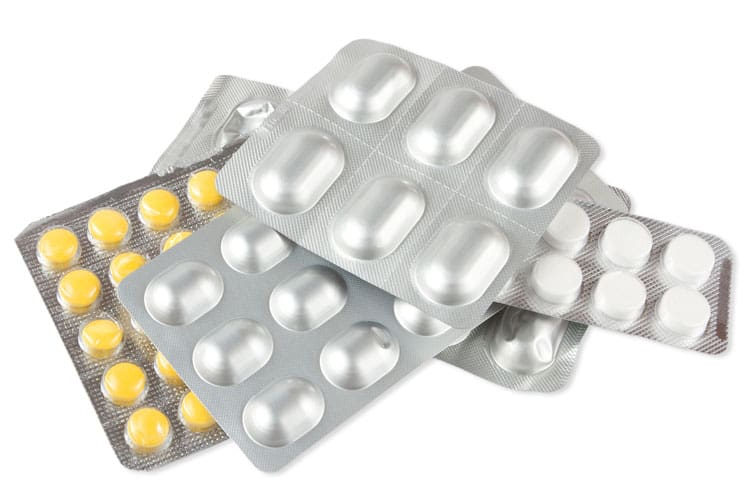
Prescription medicines
Prescription medicines are an important part of treating and preventing illness. However, incorrect use of these medicines can make them unsafe.

Antidepressant medicines
Antidepressants are medicines that can treat depression and its symptoms. They can also sometimes be used to treat other conditions, including anxiety disorders and chronic (ongoing) pain.

Osteoarthritis: prescription medicines
Medicines to relieve the pain of osteoarthritis usually form part of a treatment plan. Find out the current thinking on paracetamol, NSAIDs, corticosteroid injections and other prescription medicines for arthritis.
