
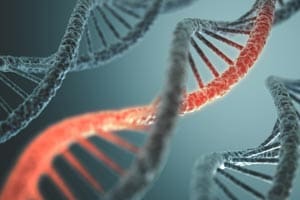
The medical condition called muscular dystrophy is a group of genetic (inherited) diseases in which the muscles that control movement become progressively weaker and waste away. Sometimes, muscles that you can’t directly control – such as the muscles that keep the heart beating or your lungs working – also become affected.
What causes muscular dystrophy?
Muscular dystrophy is caused by problems with genes. The result of these changes in genes depends on the type of muscular dystrophy. For example, in some types the body can’t make certain proteins that are needed for healthy muscles. As a result, the muscles gradually become weaker, fragile and easily damaged. In other types, the body produces substances that are toxic to muscle and break it down.
Muscular dystrophy can affect people of any age. Some forms are so severe that affected children die within the first few years of life. Other forms may not appear until middle age or later, and may only cause minor disability.
Although muscular dystrophy is generally passed down through families, the genetic changes can sometimes appear without any family history.
What are the symptoms of muscular dystrophy?
When muscles in different places in the body gradually become weaker, symptoms may include:
- Finding it difficult to walk or changes in walking (such as a waddling or rolling movement when walking);
- Falling over regularly and having trouble standing up again;
- Finding it hard to swallow (which can make eating and drinking difficult);
- Developing a curved spine because the weakened back muscles can’t hold the spine straight;
- Progressive loss of movement and flexibility in joints, including the fingers, wrists, elbows, hips and feet (these changes in joints are called contractures, because the muscles shorten causing the joint to contract);
- Learning disabilities may occur in some types of muscular dystrophy;
- Finding it hard to breathe if the muscles of the chest are affected;
- Suffering from frequent lung infections; and
- Developing heart problems (such as heart failure).
How common is muscular dystrophy?
It’s estimated that around 1 in 1000 Australians have some form of condition affecting the nerves and/or muscles. The incidence varies depending on the type of muscular dystrophy.
What are the types of muscular dystrophy?
There are many different types of muscular dystrophy which vary in terms of the cause, the symptoms, the severity and outlook.
Some of the major types include:
- Duchenne muscular dystrophy (or Duchenne’s, or DMD) – This is the most common type affecting children. It’s caused by a genetic fault on the X chromosome and mainly affects boys because males only have one X chromosome. Females have two X chromosomes, so may carry the defective gene without showing any symptoms;
- Becker-type muscular dystrophy – This type is also more common in males but is less severe than Duchenne’s. Muscle weakness usually comes on later in life and is milder;
- FSHD (which stands for facioscapulohumeral muscular dystrophy) – This type occurs in both sexes but can vary in severity. Some people may not even be aware they have muscle problems. It usually produces weakness in the muscles of the shoulders and face;
- Myotonic dystrophy – This type occurs in both sexes and comes on during teenage years or early adulthood. Symptoms usually start with muscle stiffness (called myotonia) before the development of muscle weakness; and
- Limb-girdle muscular dystrophy – This type affects both sexes and mainly affects the muscles of the hips and shoulders.
Diagnosis
To make a diagnosis of muscular dystrophy, a doctor may:
- Ask about family history and any genetic disorders;
- Ask about symptoms and how they developed;
- Carry out a full physical examination;
- Check for changes in the nervous system;
- Request blood tests to check for high levels of natural enzymes that can indicate damaged muscles;
- Use a muscle biopsy to take a small sample of cells from a muscle to check for any changes;
- Request a genetic test to check for many types of muscular dystrophy. Genetic testing may involve a blood test or a muscle biopsy;
- Request an MRI scan (which stands for magnetic resonance imaging) to find out what’s happening inside muscles; or
- Order heart, lung or muscle tests to check how well they are working.
Can muscular dystrophy be treated?
There’s no cure for any of the types of muscular dystrophy, but there are a number of treatments that can help people manage their day-to-day symptoms. The aim is to help people remain as mobile as possible – and feel as comfortable as possible – for as long as possible.
The recommended treatments vary depending on the type of muscular dystrophy, but can be broadly divided into a number of groups:
Medicines
- Medicines called corticosteroids can help delay the progression of muscle weakness in some types of muscular dystrophy. Some people may experience side effects from these medicines, such as weight gain, thinning of the bones or changes in behaviour.
- Heart medicines can help relieve symptoms if the muscles of the heart are affected.
Exercise and physical therapy
- Low-impact exercises – like walking and swimming – can help maintain muscle strength, mobility and fitness.
- Gentle stretching exercises can help maintain flexibility.
Surgery or medical devices
- Surgery can help correct a curved spine.
- If breathing is difficult, air can be delivered under pressure through a nosepiece, mouthpiece or mask.
- If the heart is affected, an artificial pacemaker may be needed to keep the heart beating properly.
Mobility or support aids
- Walking frames or wheelchairs can help people stay mobile.
- Splints, braces or other devices (called orthotics) can be worn to provide support for weakened muscles that have contracted in uncomfortable positions. They help keep tendons and joints in the correct position to maintain flexibility.
Healthy eating
- Eating healthy foods (and exercising regularly) helps to manage weight. Being overweight puts extra stress on weakened muscles or painful joints.
Can muscular dystrophy be prevented?
Muscular dystrophy is an inherited condition, which means it can be passed down through families. Some types of muscular dystrophy have a 50-50 chance of being passed on to any children, meaning it’s equally likely that a child inherits it or doesn’t inherit it.
It’s also possible for people to be ‘carriers’ of the condition. This means they carry the faulty gene but do not show any signs. They can still pass the condition on to their offspring. So people who have a family history of muscular dystrophy who are currently not showing any symptoms may want to have a genetic test to see if they are carrying the faulty gene.
Deciding whether to have a genetic test is a complex and emotional decision. Your doctor and a special healthcare professional called a genetic counsellor can give you advice about whether testing is recommended and what the results mean.
For some types of muscular dystrophy, IVF can help people who carry the faulty gene to reproduce without passing on the defective gene. This is done by carrying out pre-implantation genetic screening of embryos to identify embryos that don’t carry the defective gene and using these for implantation.
What is the outlook for people with muscular dystrophy?
The outlook varies depending on the type of muscular dystrophy, its severity and how it progresses. Some cases may be mild and only progress slowly. In other cases, muscle weakness may progress rapidly, meaning people may no longer be able to walk. If the muscles that control breathing or the heart are severely affected, life expectancy may be shortened.
