
Impetigo is a very contagious skin infection which is very common. It is sometimes called ‘school sores’. Impetigo is found generally on the face, especially around the nose and mouth, but can develop around broken skin anywhere on the body.
Causes
Impetigo is caused by 2 types of bacteria known as Staphylococcus aureus (most common) and Streptococcus pyogenes. Sometimes both bacteria occur together in impetigo. These bacteria infect either normal skin or skin already affected by another skin condition such as eczema or insect bites.
Symptoms of impetigo
Impetigo usually starts as small, raised red spots on the skin that quickly turn to little blisters filled with clear fluid or pus. These blisters can then break and start to weep — usually discharging pus and sometimes a clearer liquid. Yellow or brownish scabs then form, which can itch but are otherwise not painful. Impetigo often comes in already damaged skin, for example cuts and scratches.
Your child may have swollen lymph nodes.
Bullous impetigo is a less comon form of impetigo and is distinguished by larger blisters on the body or nappy area of the child. Bullous impetigo blisters/sores are quick to burst. It is usually caused by Staphylococcus aureus.
Who gets impetigo?
It is most common in children and infants, and is more likely when children start attending daycare centres or schools, or have contact with other kids at playgroups.
People with diabetes or with compromised immune systems are more susceptible to impetigo.
Diagnosis
Take your child to the doctor as soon as you suspect impetigo. Your doctor will examine your child, the sores and their skin generally and will usually be able to make a diagnosis of impetigo just from the appearance of the sores and the history you give them. If the sores are particularly severe, or are not responding to treatment, the doctor may take a skin swab and send it away for testing to identify the particular bacteria that are causing the infection.
Impetigo treatment
Impetigo usually resolves of its own accord in a couple of weeks. Your doctor may prescribe antibiotic ointment which should be applied directly to the affected skin as per the directions, or in more extensive or recurrent infections they may prescribe oral antibiotics (tablets) to take by mouth
Your doctor will also advise you how to bathe the sores. Follow the treatment advised by your doctor carefully, making sure that you complete the course of any antibiotics prescribed.
When is impetigo no longer contagious?
Do not send your child with impetigo to school or pre-school until the treatment prescribed by your doctor has started, and all the sores are covered with watertight dressings. Impetigo is usually infectious until 24-48 hours after antibiotic treatment is started.
Caring for the sores
Impetigo is very infectious and can spread easily. The sores should be washed and dressed in the following way to lessen the chance of spreading the infection.
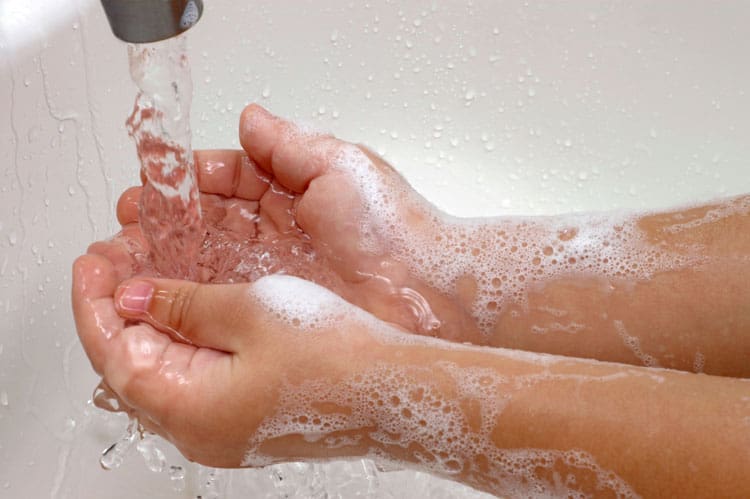
- Wash your hands well with soap and water.
- Dry your hands thoroughly, preferably with a disposable kitchen wipe.
- Wash the sore with warm water and soap, or the lotion suggested by your doctor, aiming to gently bathe away the crusts.
- Wash your hands again using the method described above.
- Apply the antibiotic ointment (if prescribed) using a cottonwool swab.
- Cover the sores with a watertight dressing during the daytime.
- Throw old dressings into a plastic bag and seal it before discarding.
- Wash your hands again.
How to stop impetigo spreading to the rest of the family
Impetigo is very contagious. Impetigo can be transferred to another person by touching things the person with impetigo has had contact with.
The infected child should not share the bath, use the same towels, linen or flannels as the rest of the family. Do not share grooming items such as tweezers, nail clippers or toothbrushes until the sores have healed.
Everyone in the family must be careful about hand washing. Try to stop your child (or anyone else in the family) from touching the sores, and cut your child’s fingernails short to prevent scratching.
Complications
See your doctor again if:
- the sores are not getting better or they are getting worse, despite treatment;
- more sores are forming or the existing sores are getting bigger; or
- your child seems unwell in any other way.
Rarely, kidney inflammation may develop 2 weeks or so after impetigo caused by Streptococcus bacteria. Signs to watch for are facial swelling, nausea or vomiting, or back pain. An affected child may also pass less urine than normal, have blood in their urine or discoloured urine and have painful or stiff joints. Seek immediate medical attention if your child develops any of these symptoms.
Prevention of impetigo
Measures to prevent impetigo centre around good hygiene, including regular handwashing and bathing, and keeping your skin clean and any injuries or insect bites covered and clean.
