
Epilepsy is a relatively common condition in which the electrical and chemical activity of the brain loses its usual co-ordination for short periods of time. These times of unco-ordinated brain activity result in seizures (also called fits or convulsions).
Epilepsy is not the only reason that someone may have a seizure — fever in children, excess alcohol use, illicit drug use, head injuries, stroke, brain infections such as meningitis, and a number of other conditions may also cause seizures. However, epilepsy is characterised by recurring seizures.
Epilepsy is estimated to affect 1 to 2 per cent of Australians.
Different types of seizures
Epilepsy can cause several types of seizures. They can be roughly divided into generalised seizures and focal seizures (sometimes called partial seizures).
Generalised seizures arise from abnormal electrochemical activity affecting the whole brain at the same time. Focal (or partial) seizures arise from abnormal electrochemical activity that starts in one particular part of the brain and may subsequently spread to other areas of the brain.
Symptoms
The part of the brain experiencing abnormal electrochemical activity determines the symptoms a person will have. Common symptoms of epilepsy include:
- an altered state of consciousness;
- abnormal body movements;
- altered sensations; and
- behavioural changes.
Some seizures are subtle and may not be noticed by other people, while other types of seizures, especially those that affect body movement, have very obvious signs.

Generalised seizures
- Tonic-clonic seizures involve the whole brain and cause a person to lose consciousness. The person may cry out at the start of the seizure. The body tends to go stiff and they will fall to the ground and have repeated jerking movements. They may dribble saliva or vomit, and may lose control of their bowel and bladder. The seizure usually lasts a couple of minutes, and breathing may stop for part of this time, resulting in a bluish tinge to the skin. After the seizure the person may feel confused or agitated; they may also have a headache or muscle pain. They often remain drowsy for several hours and want to sleep.
- Absence seizures most often begin in childhood and result in an altered state of consciousness, lasting several seconds, during which time the person seems to ‘tune out’ and be unaware of their surroundings. Their eyelids may flutter and their eyes may roll upwards. When the seizure finishes the person usually resumes their current activity, although they will not have been aware of anything around them during the seizure. This can adversely affect a child’s schooling if absence seizures are occurring several times a day. Although absence seizures have subtle signs, they do involve the whole brain, and so are considered a type of generalised seizure.
- Myoclonic seizures cause very brief jerky movements, usually of the upper body, without loss of consciousness. They can cause the person to spill a drink they are holding or fall off a chair. One type of epilepsy that causes myoclonic seizures is juvenile myoclonic epilepsy. This condition typically affects teenagers and causes myoclonic seizures soon after waking.
- Tonic seizures are a brief stiffening of the whole body causing the person to fall to the ground. Tonic seizures tend to occur in people with severe epilepsy.
- Atonic seizures often begin in childhood. They also cause a person to drop to the ground (‘drop attacks’) as all the muscles of the body suddenly and briefly lose their tone (become floppy). There is no loss of consciousness; however, as injuries to the head are likely during the fall, people who have atonic seizures may choose to wear a protective helmet.
Focal (partial) seizures
- Focal seizures (sometimes called focal seizures without impaired awareness or simple partial seizures) affect only one part of the brain and usually last less than a minute. The symptoms will depend on which part of the brain is affected. Some partial seizures only involve altered sensations such as an unpleasant taste or smell, stiffening of muscles, a sensation of fear, or an abnormal feeling, such as numbness, in one part of the body. Others involve stiffening or abnormal movements of isolated muscle groups, for example, twitching of the face. The person does not lose consciousness.

- Focal seizures with impaired awareness (sometimes called complex partial seizures or focal dyscognitive seizures) arise in areas of the brain that are responsible for awareness and memory, and involve an altered state of consciousness. The person may appear confused, stare blankly, be unresponsive or respond inappropriately, and they may have altered movements such as repetitive fiddling with clothing, lip smacking, chewing, mumbling or wandering. The person usually has no memory of the seizure and remains drowsy and confused for a period after the seizure.
- Focal seizures becoming bilaterally convulsive (sometimes called secondarily generalised seizures). Sometimes a focal seizure can be followed by a generalised seizure, in which case the symptoms of the focal seizure are called an aura or warning period that precedes the generalised (usually tonic-clonic) seizure. Some people may have epilepsy that is characterised by more than one type of seizure.
Causes of epilepsy
Epilepsy often starts in childhood, although it can begin at any age.
Although the cause of the epilepsy cannot be established in about half of those people who have epilepsy, there are several known causes, such as:
- an inherited genetic disposition towards epilepsy in the family;
- a period of anoxia (an absence of oxygen) affecting the brain;
- an accident that results in a brain injury; or
- an infection, blood clot or other illness that affects the brain.
Epilepsy starting in infants may be caused by abnormalities present from birth or infections of the central nervous system. Seizures starting in adult life are likely to be caused by a disease or injury affecting the brain. For example, elderly people may develop epilepsy after a stroke.
Seizure triggers
Some people find that there are certain things that tend to bring on, or trigger, a seizure. Triggers are not always obvious, so keeping a diary of activities and when you have seizures can help identify seizure triggers.
Possible triggers may include:
- lack of sleep;
- stress;
- consuming a lot of caffeine;
- missing meals;
- drinking excess alcohol;
- taking illicit drugs;
- some prescription and over-the-counter medicines;
- having a fever or infection (treat these early); and
- hormonal and other changes during the menstrual cycle.
Also, if you normally take medicines to control your epilepsy, not taking your medicines regularly or stopping them suddenly can trigger a severe seizure.
Tests and diagnosis
To diagnose epilepsy your doctor will first ask about your symptoms, Often, a friend or parent who has been with you when you are having a seizure can help in describing what happens during the seizure, for example, how long it lasts, and whether or not you appear to lose consciousness. Some seizures are difficult to describe accurately, so recording these events, for example using a smartphone video camera, can be helpful.
Your doctor may also ask about the following:
- any other health problems or symptoms you have;
- illnesses or accidents you have had in the past, including head injuries and brain infections;
- medicines or recreational drugs you are taking; and
- whether or not anyone else in your family has epilepsy.
Your doctor may do a full physical examination including a neurological examination, which aims to pick up any abnormal function of your nervous system.
Tests
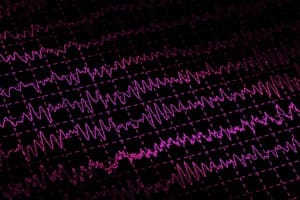
Your doctor will probably recommend you have an electroencephalogram (EEG) — a test that tracks the electrical activity of your brain.
An EEG takes about one hour and is painless. It involves having small electrodes placed (glued) to your scalp, or you may wear an elastic cap that is fitted with electrodes. The electrodes are attached via leads to a machine that traces the electrical activity of your brain onto paper or a computer screen.
An EEG is sometimes performed over a longer period of time while you stay in a hospital room that is fitted with video recording equipment. The aim is to record an EEG while a seizure is occurring, and also to record a video of the seizure itself. This can be very helpful to your doctor in deciding the type of seizures that you have and the best type of treatment. An EEG can help in the diagnosis of epilepsy, and can also help determine the type of epilepsy. However, a normal EEG does not rule out epilepsy.
A brain scan may also be recommended to show the structure and sometimes the function of your brain. There are several types of scans, including MRI scans and CT scans.
Your doctor may also recommend blood tests to check for abnormalities in the levels of certain salts and other chemicals in the body, which can result in seizures.
You may be referred to a neurologist, who will interpret the results of your tests and discuss treatment options with you.
Treatment of epilepsy
The aims of epilepsy treatment are to control seizures and maintain quality of life. The main treatment options used for seizure control include medicines and self-care measures. It’s a good idea for family members to be familiar with first aid measures for seizures.
Medicines
Anticonvulsant medicines (also called antiepileptic medicines) can be prescribed to prevent seizures in people with epilepsy. Medicines are usually prescribed for people who have had at least 2 seizures, or those who are at risk of recurrent seizures.
The type of medicine recommended will depend on several factors, including:
- the type of seizures you have experienced;
- your age;
- in females, the possibility of future pregnancy;
- general health;
- potential side effects of medicines; and
- other medicines that you are taking.
About 70 per cent of people with epilepsy have their seizures controlled with an anticonvulsant medicine. Some people need to take more than one type of anticonvulsant medicine to control their epilepsy.
| Antiepileptic medicines | |
|---|---|
| Medicine | Brand names |
| carbamazepine | Tegretol, Teril |
| clobazam | Frisium |
| ethosuximide | Zarontin |
| gabapentin | Gantin, Neurontin, Nupentin, Pendine |
| lacosamide | Vimpat |
| lamotrigine | Lamogine, Logem |
| levetiracetam | Kepcet, Keppra, Kevtam |
| oxcarbazepine | Trileptal |
| phenytoin | Dilantin |
| pregabalin | Lyrica |
| sodium valproate | Epilim, Valpro |
| tiagabine | Gabitril |
| topiramate | Tamate, Topamax |
| vigabatrin | Sabril |
| zonisamide | Zonegran |
Many people who have epilepsy take these medicines for a number of years.
In some cases, it may be possible to gradually reduce the dose of your epilepsy medicines and possibly eventually stop them if several years have passed without you having a seizure. Discuss the risks and benefits of trialling a controlled withdrawal of treatment with your doctor.
Monitoring and side effects
People with epilepsy may sometimes need to have blood tests to check the concentration of anticonvulsant medicine in the blood, as well as check for medication side effects, which can be significant.
Long-term use of antiepileptic medicines can increase the risk of osteoporosis. Your doctor will discuss steps you can take to reduce the risk of developing osteoporosis (such as regular weight-bearing exercise and adequate calcium intake and vitamin D).
Interactions with other medicines
Epilepsy medicines can interact with other medicines, including the contraceptive pill and some herbal remedies — ask your doctor before starting any new medicines, including complementary therapies.
Epilepsy medicines and pregnancy
It’s also important to talk to your doctor if you become pregnant or are considering becoming pregnant — your medicines may need to be adjusted and your epilepsy carefully monitored. Some antiepileptic medicines can be harmful to the development of the fetus during pregnancy.
It’s also important to remember that some antiepileptic medicines can interfere with the effectiveness of some hormonal contraceptives (such as oral contraceptive pills, hormone-releasing vaginal rings and hormone implants). Check with your doctor to find out whether your method of contraception is affected by your epilepsy medicine.
Self-care
Leading a healthy and balanced lifestyle and avoiding seizure triggers is important in managing epilepsy. Important self-care measures include the following:
- taking your epilepsy medicines at the doses and times that have been prescribed for you;
- sleeping well and regularly;
- managing stress;
- eating well and regularly (seizures are more likely if you’re very hungry);
- avoiding any known triggers for seizures, including flashing lights, video games or flickering sunlight (a small percentage of people with epilepsy have such triggers; and
- avoiding recreational drugs and excessive alcohol.
Surgery for epilepsy
Surgery is a treatment option for some people who have severe epilepsy that is not controlled with medicines. Surgery is usually used to treat focal epilepsy when it’s possible to identify the precise location of the abnormal electrochemical activity within the brain.
Your doctor can discuss the risks and benefits of surgical treatments with you.
Ketogenic diet
Some children with poorly controlled epilepsy may benefit from treatment with a strict, medically-supervised diet called a ketogenic diet.
A ketogenic diet is usually only recommended by paediatric neurologists to help to control seizures when medicines and other treatments are not effective.
Epilepsy and activities
If you have epilepsy and you drive, it is important to talk to your doctor about the rules regarding driving and epilepsy.
Your doctor may also advise you to avoid other activities that could be dangerous if you have a seizure, such as swimming alone and extreme sports, especially while your epilepsy is being brought under control. Operating machinery should also be avoided.
Support groups
Most people with epilepsy can have their seizures well controlled and lead normal lives.
However, some people with epilepsy, especially people who have unpredictable seizures, have restricted lifestyles due to concerns about having a seizure in public. Many people with epilepsy still feel that there is a social stigma associated with the disease.
Support groups provide the opportunity to talk with other people who are living with this ongoing illness. They can provide emotional support and practical advice to people with epilepsy and their families.
National Epilepsy Line
Epilepsy Action Australia provide a national telephone and telehealth service for all epilepsy related questions. They will provide help with epilepsy information, seizure management plans, medication advice, or a friendly voice who will understand what you are going through. Available Australia wide, and funded by the Department of Health your call will be answered by a specialist epilepsy nurse. The specialist epilepsy nurses are also funded to support GPs and Practice Nurses in the development and delivery of a Care Plan. Call 1300 37 45 37 (1300 EPILEPSY) or book your appointment here.
Education and Training
Epilepsy Action Australia provide a range of online and webinar-based education courses for people living with epilepsy and their families, health care professionals, teachers and support workers. These courses cover how to respond in the event of a seizure, administering emergency medication, epilepsy and disability amongst other topics. This training can be life saving. For the full range of accredited and non-accredited training options see here Elearning & Blended learning – Epilepsy Action Australia
Support for Teens and Young Adults
The teen and young adult years include so many changes such as finishing school, finding a job, thinking about relationships, driving and alcohol. It can be a hard for anyone but when you also have epilepsy there can be extra challenges. This is also a time when you need to start being more independent in managing your epilepsy and moving into adult health services. To support young people through this period Epilepsy Action Australia have resources, support groups and events specifically designed for young people with epilepsy. Take a look here. Teens and Young Adults – Epilepsy Action Australia
Seizure Smart Schools
Epilepsy Action Australia encourage parents to talk to their child’s school to become a seizure certified school. Every school has a duty of care to provide a safe learning environment, and to ensure they meet the needs of every student.
Seizure Smart Schools is designed to increase awareness and knowledge about epilepsy and ensures that Seizure Management Plans are developed for all students with epilepsy
MyEpilepsyKey
If you do not already have access to MyEpilepsyKey please register here. Produced by Epilepsy Action Australia, a MyEpilepsyKey provides online access to vital information, resources and self-management tools.
