
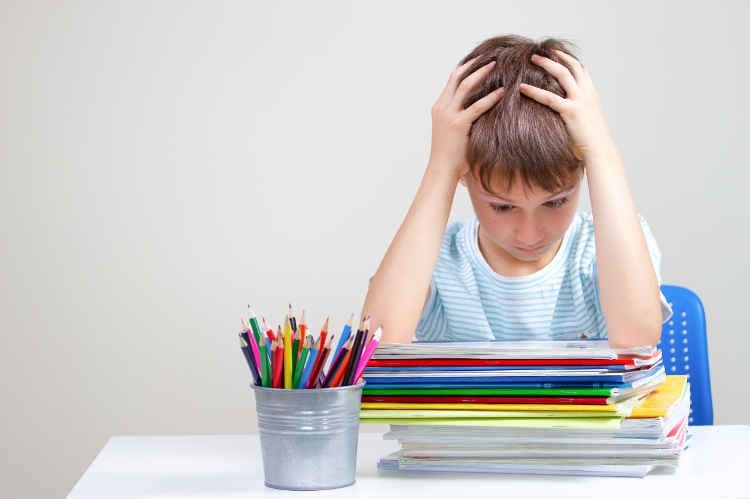
Dyslexia is a type of specific learning disorder (sometimes called specific learning difference, difficulty or disability) that makes it difficult for children to read, write and spell. It is a language-based learning problem – it’s not caused by a lack of intelligence or unwillingness to learn.
Up to 10-20 per cent of children in Australia may be affected by dyslexia, but many remain undiagnosed.
There is no cure for dyslexia – it is a lifelong condition. However, there are treatments available to help overcome the language-based obstacles. Specialised education programmes and emotional support will help children with dyslexia to achieve their academic potential.
What causes dyslexia?
Dyslexia is a neurobiological condition that tends to run in families. It’s thought that certain genes may affect the way the language areas of the brain develop.
People with dyslexia have difficulty with written language (reading, writing and/or spelling) despite having adequate oral language abilities (listening and speaking). The main problems are with thinking about, remembering and correctly sequencing the sounds in words, which are the key elements in learning to read and write.
Symptoms of dyslexia
Children with dyslexia usually have a mix of symptoms, ranging from mild to severe. They may struggle more in one area than another, depending on which areas of language processing are most affected.
Reading
Reading is usually below grade level, which is often unexpected given the child’s other strengths, talents and abilities. Slow and inaccurate reading is due to difficulties sounding out words (decoding) and recognising common sight words.
Children may mispronounce words and have difficulty comprehending what they are reading. They may start to avoid reading and often take longer than expected to complete reading and writing tasks.
Children with dyslexia may have trouble keeping up in other subjects too, because reading is the basis for many school subjects. You may find that your child has difficulty with ‘word problems’ in maths and finds it very difficult to learn another language.
Spelling
Children with dyslexia have difficulty learning and remembering the sequence things, including the order of sounds or letters in a word. Spelling is usually poor – you may notice the same word is spelt differently within the same piece of writing.
Writing
Children with dyslexia often have difficulty putting their ideas on paper in an organised way. They may struggle to summarise information or recount a story in the correct sequence. Using the correct grammar and punctuation may also present problems.
Other symptoms
Other symptoms and related problems include difficulties with:
- remembering and following procedures with multiple steps;
- handwriting, which often messy or slow and letters are not formed correctly (dysgraphia);
- understanding numbers and mathematics (dyscalculia); and
- planning and coordinating body movements, including the muscles of the face to make sounds when talking (dyspraxia).
Children with dyslexia are also at increased risk of having attention-deficit hyperactivity disorder (ADHD).
But there are also positives. Many people with dyslexia are gifted in areas that don’t need strong language skills, such as art, design, computing and sports. Some are highly intuitive and extremely creative. One of the most famous thinkers of our time, Albert Einstein, had dyslexia.
Dyslexia and self-esteem
A child with dyslexia who has not been properly diagnosed may suffer from low self-esteem because of the tough time they have keeping up with the learning pace of their classmates. Sometimes children with dyslexia are mistakenly thought to be not trying hard enough at school.
Problems with school can lead to a student feeling stressed, frustrated and discouraged about continuing, which can have major consequences for his or her future working life.
How is dyslexia diagnosed?
If you are worried about your child’s written language skills or school performance, or your child’s teacher has raised concerns, you should see your GP (general practitioner).
Your doctor will ask specific questions about the types of problems your child is having, and may suggest hearing and vision tests to rule out problems in those areas. In some cases, an occupational therapy or speech therapy assessment may also be helpful.
Your doctor may refer you to a developmental paediatrician (specialist in children’s health and development) or an educational psychologist for formal testing for dyslexia.
Testing for dyslexia
To be diagnosed with dyslexia, your child will need to do a series of standardised questionnaire-type tests. The tests evaluate your child’s listening and speaking skills, academic skills, working memory and their information and language processing skills. They may also perform psychometric testing, looking at intellectual ability. You and your child’s teacher will also be asked to provide information on your child.
After the various assessments, you should receive a detailed report on your child and their learning abilities.
Early diagnosis and treatment of dyslexia helps improve academic outcomes. Having a diagnosis also helps your child maintain their confidence, because they know that their learning difficulties are not due to lack of intelligence, but rather a specific condition.
Treating dyslexia
Many schools offer support for children with specific learning difficulties such as dyslexia. A team approach is often used — the team may consist of just you as parent(s) and your child’s teacher, or it may include the principal, school counsellor, support teachers and health professionals such as a speech pathologist and educational psychologist.
The team will assess your child’s needs and see whether your child would benefit from an individualised learning programme. This type of program can identify the learning needs of your child and outline specific teaching methods to meet these learning needs.
Extra tutoring outside of school with a reading specialist may also be helpful for many children.
With this type of approach, your child can be supported; particularly during potentially difficult periods such as starting school and moving from primary to secondary school.
Ways to help your child learn
You know your child better than anyone and will be your child’s most consistent teacher. Encourage your child to read as much as possible and read to them every night.
It’s a good idea to talk to your child’s teacher about how things are done in the classroom and what’s expected of your child, so that you can help as much as possible. You should also tell your child’s teacher if your child is finding the work too much.
Find out whether your child may be eligible for special consideration in exams. This may include extra time, the use of special technologies or special conditions when sitting exams. Your child’s school should be able to help with this.
Building your child’s self-esteem
A good sense of self-esteem is one of the most important things you can give any child, but particularly one with learning difficulties, who is at risk of lowered confidence.
The following tips can help build your child’s self-esteem.
- Notice and give praise and encouragement when a job or task has been done well. Also give plenty of praise for trying.
- Encourage activities that your child enjoys and is good at.
- Give your child responsibilities at home and praise them when these are done well.
- Avoid dwelling on your child’s dyslexia any more than necessary.
Above all, let your child know you love him or her no matter what his or her abilities.
Other therapies for dyslexia
Various alternative treatments have been tried over the years to help children with dyslexia. Be wary of any expensive ‘quick fix’ treatments that are suggested. There is often a lack of scientific evidence showing that these treatments are effective.
The Royal Australian and New Zealand College of Ophthalmologists released a position statement in 2016 stating that there is currently insufficient evidence to support the use of coloured lenses, filters and overlays, eye exercises or behavioural vision therapy in improving the long-term educational performance of people with dyslexia.
Support for families
The Australian Dyslexia Association has a list of support groups for parents and teachers of children with dyslexia. There are also support groups for adults with dyslexia. Joining a support group is a great way to share resources and tips with other families. They also provide emotional support.
